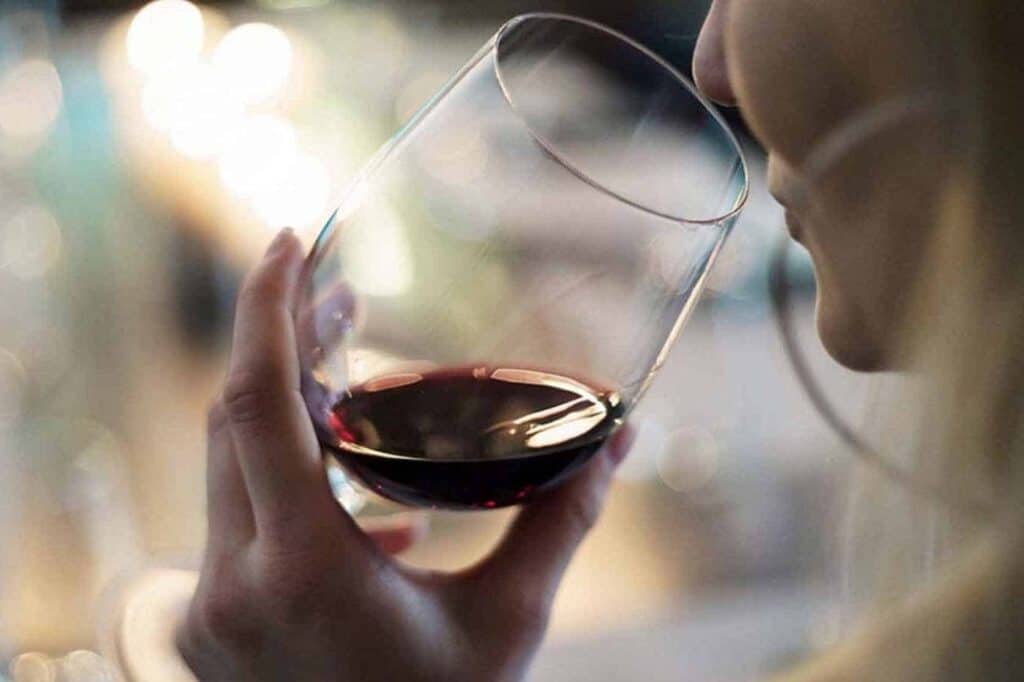
Wine, that delightful alchemy of fermented grapes, invites comparison to a vibrant tapestry woven with myriad threads of flavors. Each sip is a miniature odyssey through a landscape of sensation, unveiling stories told through the ages, resonating with the kismet of soil, climate, and the meticulous artistry of the vintner. To describe wine’s taste is akin to painting a portrait with a palette bursting with colors; each varietal offers its unique signature that dances upon the palate, leaving an indelible impression that lingers long after the last drop is savored.
As we embark on this exploration of the kaleidoscopic world of wine, we will traverse the realms of aroma, flavor profile, acidity, body, and the tactile sensations that play their part in this exquisite experience. What follows is a comprehensive guide to understanding the myriad nuances that construct the symphony of taste inherent in wine.
Aroma: The Prelude to Flavor
Before the wine even graces the tongue, it unveils an aromatic bouquet that announces its character. Imagine the first flutter of a breeze, whispering promises of what lies ahead. The olfactory senses are tantalized by a spectrum of scents, from the fruity essences reminiscent of sun-ripened berries to floral notes that evoke a stroll through a blooming garden. For instance, a Cabernet Sauvignon may present robust aromas of blackcurrant and cedar, while a Chardonnay might elicit the crisp essence of green apples intertwined with a hint of vanilla. Each wine possesses a unique aromatic profile crafted by the nuances of its grape variety and terroir.
Flavor Profile: A Symphony of Tastes
Upon the first sip, the palate is graced with a symphony of flavors that unfold like an intricate narrative. A red wine might present an orchestra of dark fruits—blackberries, cherries, and plums—each note harmonizing with maturing complexities such as spices, earthiness, and even chocolatey undertones. White wines, in contrast, may take the drinker on a refreshing journey through zesty citrus, luscious stone fruits, and the subtle creaminess derived from oak aging.
The interplay of sweetness and acidity further enriches this flavor narrative. A sweet Riesling, for example, dances playfully across the tongue with its honeyed notes, while the sharp acidity cuts through the richness, creating a balance resembling a well-choreographed ballet. In contrast, a dry red, with its tannic structure, may deliver a profound astringency that evokes the reminiscence of dark chocolate or leather, unveiling an entirely different facet of flavor.
Acidity: The Backbone of Balance
Acidity is the spine that supports the entire structure of wine, like a silent conductor guiding an orchestra. It invigorates the palate and accentuates the inherent flavors. Think of it as the tangy zest in a dish that enhances and elevates the complexities of its ingredients. In whites, high acidity invigorates the effervescence of citric notes, reminiscent of a crisp morning dew on freshly cut grass. Reds with moderate acidity, on the other hand, can imbue a velvety texture that balances their bolder flavors and tannins, rendering them more approachable.
Body: The Weight of Wine
When speaking of a wine’s body, we delve into the perception of weight on the palate. A light-bodied wine flits across the tongue like a wisp of summer air—refreshing and ethereal, offering a quick, fleeting enjoyment. Think of a delicate Pinot Grigio, where lightness is complemented by bright acidity, giving way to an invigorating experience. Conversely, a full-bodied wine like a Napa Valley Cabernet Sauvignon envelops the senses with a weighty embrace, akin to wrapping oneself in a sumptuous cashmere blanket. This robust presence is lauded for its richness, showcasing the depth of flavors and inviting savoring.
Tannins: The Textural Component
Tannins, often the unsung heroes of red wine, introduce a textural dimension that can evoke the sensation of velvet or sandpaper, offering a unique tactile experience. These compounds, derived from grape skins and seeds, can impart astringency, akin to a pucker that rings a bell of freshness. They add structure and complexity, reassuring the drinker that this wine has the potential for aging. A well-aged Barolo, for instance, may transform from sharp, youthful tannins to a smooth sophistication, echoing the evolution of a fine piece of literature over time.
Conclusion: The Lasting Impression
As the final sip lingers, it leaves behind a tapestry of memories—a sensation that encapsulates the essence of place, moment, and companionship. The taste of wine is not solely in its flavors but in the experience it provides; each bottle captures a moment in time, inviting us to unwind, celebrate, or ponder life’s intricacies. To truly appreciate wine is to open oneself to a world of stories, fragrances, and sensations that intricately weave together, much like the threads of our own human journey. So, whether you gravitate towards the light jubilation of a sparkling wine or the deep contemplative notes of a bold red, allow each glass to transport you, enriching your understanding and appreciation for this storied libation.





Leave a Comment