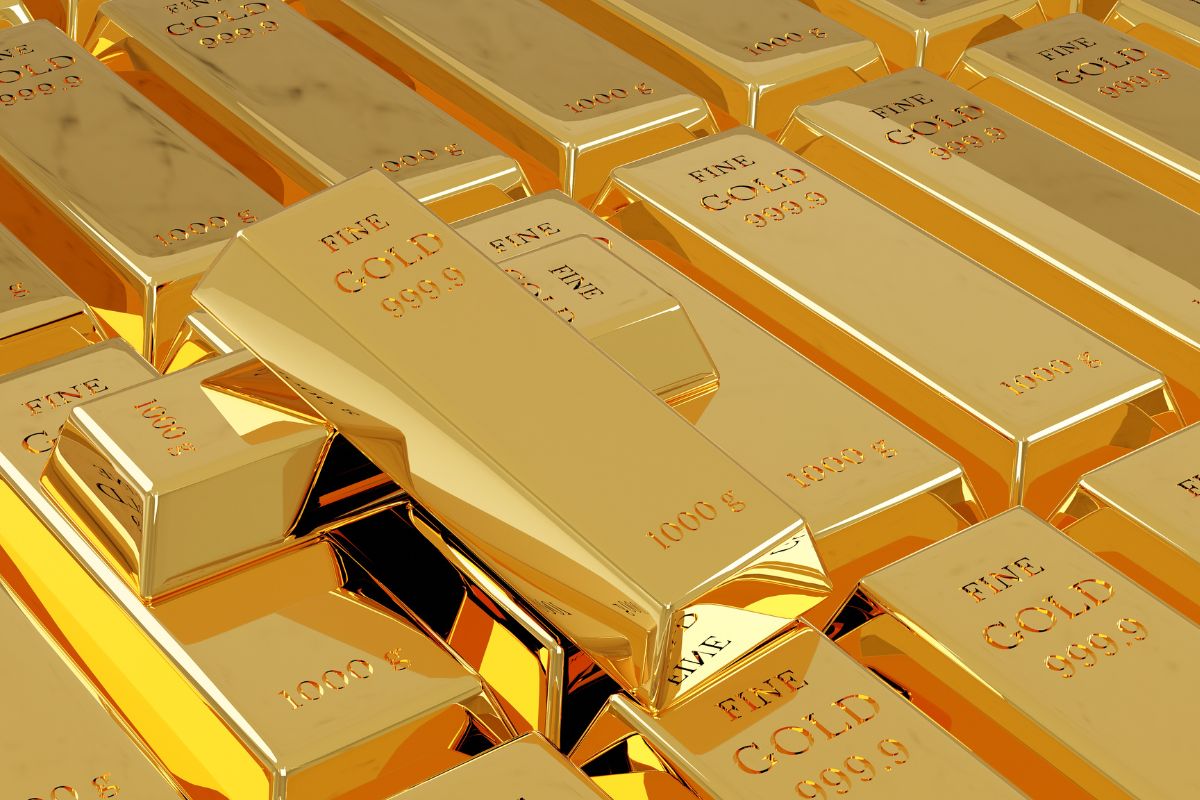
Gold has long captivated the human imagination, symbolizing wealth and prosperity through the ages. With its luster and unique properties, it finds its way into jewelry, technology, and finance. Yet, one question persists among enthusiasts and laypeople alike: Does gold stick to a magnet? This inquiry delves below the surface of a common observation, revealing layers of fascination regarding the properties of this precious metal.
Understanding whether gold is magnetic begins with delving into its elemental nature. Gold, with the chemical symbol Au and atomic number 79, is classified as a noble metal. Its atomic structure is remarkably stable, contributing to its resistance to tarnish and corrosion. Unlike ferromagnetic materials, which are attracted to magnets due to unpaired electrons that generate a magnetic field, gold does not possess this characteristic. The absence of ferromagnetic properties leads us to the conclusion that gold will not stick to a magnet under ordinary circumstances.
To fully appreciate gold’s lack of magnetic attraction, it is beneficial to explore the various types of magnetism present in materials. The distinction lies primarily in three categories: ferromagnetism, paramagnetism, and diamagnetism. Ferromagnetic materials, such as iron, cobalt, and nickel, exhibit a strong attraction to magnets. They have intrinsic magnetic properties that can cause them to remain magnetized once exposed to a magnetic field.
On the contrary, paramagnetic materials show a weak attraction to magnetic fields, as their unpaired electrons can align temporarily with a magnetic field but lack the capacity to retain this alignment in the absence of an external force. Nonetheless, gold falls into the third category: diamagnetic materials. This group includes many elements and compounds, and it describes materials that are weakly repelled by a magnetic field. This repulsion occurs due to the complete inner electron shells that counteract the influence of an external magnet.
Moreover, this interplay of magnetic properties can lead to intriguing experiments. A magnet may effectively withdraw a piece of iron from a pile of mixed metals, but gold remains unfazed among the scraps. This distinction has practical implications in identifying authentic gold items versus counterfeit products. Many unscrupulous individuals resort to alloying gold with substances that possess magnetic properties, potentially compromising its value. The magnetic test, therefore, serves as a preliminary evaluation tool for discerning genuine gold.
Despite gold’s inherent non-magnetic nature, it is worth noting the world of electronics. Within this domain, gold is highly regarded for its exceptional conductivity, making it an ideal component in various devices and connectors. Its resistance to oxidation and corrosion bolsters its utility, as it maintains a reliable connection in circuits exposed to varying environmental conditions. In this capacity, gold itself does not act as a magnet, but it often resides alongside magnetic materials within devices, further complicating the narrative surrounding its properties.
As technology continues to evolve, new methods emerge to test and authenticate gold. The exploration of non-invasive techniques such as X-ray fluorescence (XRF) and conductivity testing has surged in popularity, offering a more sophisticated approach to identifying gold without the use of magnets. These advanced methods sidestep the simplistic magnet test that one might usually apply. XRF, for instance, analyzes the elemental composition of materials through the emission of X-rays, acknowledging the technological advancements transforming the gold market.
When reflecting on the cultural significance of gold, its mystique extends beyond mere physics. Collectively, cultures across history have infused gold with vast symbolism—often associating it with divine attributes or eternal beauty. Ancient civilizations revered gold not only as a measure of wealth but also as a medium of spiritual connection. This reverence distances itself from the elemental properties of gold and instead elevates it to a realm of philosophical and artistic significance.
At a deeper level, the allure of gold’s non-magnetic nature invites curiosity about the nature of attraction itself. Why do we associate value with a material impervious to one of the most common phenomena in nature? Perhaps this quality of remaining aloof from magnetic grasp mirrors humanity’s endless quest for authenticity, resilience, and worth. The juxtaposition of gold’s beauty against the backdrop of its scientific imperceptibility pulls us into an intricate dance of perception and reality.
In conclusion, the answer to the question of whether gold sticks to a magnet is a definitive no. Gold’s chemical and physical attributes place it squarely in the category of non-magnetic materials, deepening our appreciation for its unique profile. Through the lenses of science, technology, and culture, gold continues to garner fascination—transcending the simple inquiry into its magnetism. Ultimately, this inquiry serves as a reminder of how our understanding of elements like gold can intertwine with the broader narratives of human experience, reflecting our endless pursuit of beauty, authenticity, and connection in a complex world.











Leave a Comment