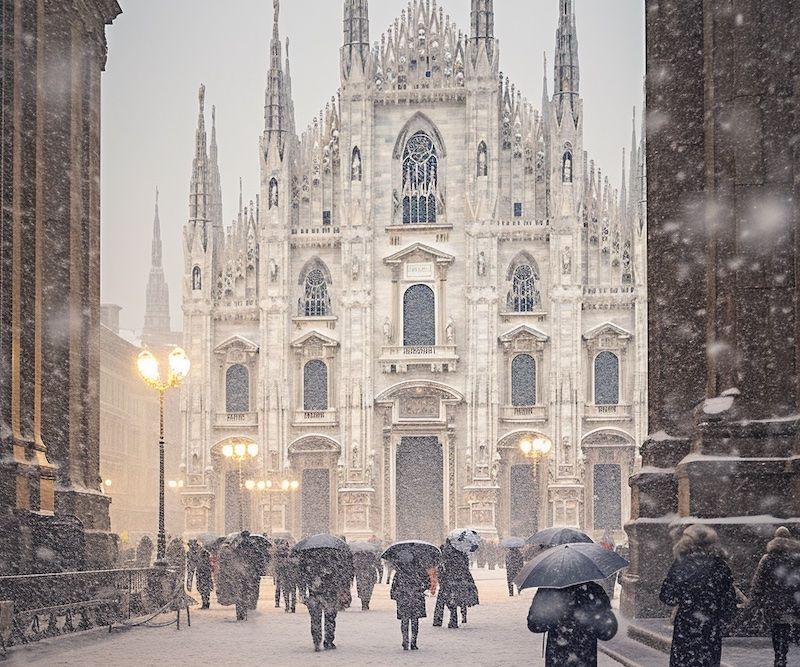
Italy, a country renowned for its breathtaking landscapes, art, and cuisine, experiences a wide array of climatic conditions, including the enchanting phenomenon of snowfall. While many envision sun-kissed beaches and rolling vineyards, particular regions of Italy transform into a winter wonderland during the colder months. This exploration delves into the nuances of snow in Italy, unraveling where it falls, the varying types of snowfall, and the captivating experiences it offers.
1. The Climatic Diversity of Italy
Italy’s geographical diversity is a tapestry woven from mountains, valleys, plains, and coastline. This variety engenders distinct climatic zones, each with its own weather patterns. The northern regions, characterized by the majestic Alps and pre-Alps, experience considerable snowfall, while central and southern areas exhibit milder winter climates.
The northern regions, encompassing states like Valle d’Aosta, Trentino-Alto Adige, and Lombardy, are particularly noteworthy for their winter sports and picturesque snowy vistas. Meanwhile, more temperate states, such as Lazio and Campania, may witness only a light dusting of snow, if any at all.
2. Snowfall Trends Across Regions
When it comes to snowfall, understanding the regional disparities is essential. Northern Italy is synonymous with winter sports and snow-capped mountains. Ski enthusiasts flock to renowned resorts like Cortina d’Ampezzo and Sestriere, where powdery snow blankets the slopes from December to April. The heavy snowfall in these areas can lead to winter wonderlands, with crystalline ice formations adorning the landscapes.
Conversely, central Italy, encompassing regions like Tuscany and Umbria, experiences sporadic snowfall primarily in January and February. These snowfalls are often brief, quickly melting away under the sun’s gentle embrace, creating a stunning contrast against the iconic terracotta rooftops and rolling hills.
In southern Italy, areas such as the Amalfi Coast and Sicily see minimal snowfall. However, the majestic Mount Etna occasionally showcases a snowy crown, enticing adventurous visitors. The interplay of snow against the backdrop of ancient architecture in cities like Naples creates a picturesque tableau that is often fleeting yet unforgettable.
3. The Phenomenon of Snow in Italy
Snow in Italy can manifest in various forms, from light flurries to heavy, relentless storms. Fluffy snowflakes drift lazily down, painting the landscape in serene whites and silvers, while blustery snow squalls can envelop a region in a matter of hours, transforming bustling towns into hushed havens.
One of the most remarkable types of snowfall in Italy occurs in mountainous regions, where powder snow enables exhilarating skiing and snowboarding experiences. This light, dry snow allows for impeccable skiing conditions, drawing enthusiasts from around the globe. Conversely, the ice crystals in coastal areas create a unique sensory experience, combining the salty aroma of the sea with the crispness of snow.
4. Cultural Significance of Snow
Snow in Italy is not merely a meteorological occurrence; it holds cultural significance as well. Winter festivals spring to life in snowy regions, celebrating the beauty of the season with food, music, and traditional customs. The Christkindlmarkt (Christmas markets) in regions like Trentino-Alto Adige offer visitors an enchanting glimpse into local craftsmanship amidst a snowy backdrop.
Moreover, the ethereal quality of snow inspires a plethora of artistic expressions. The renowned painter Giovanni Segantini famously captured the snowy Alps in his works, reflecting a unique blend of nature and emotion. Snow has served as a muse for writers and poets, prompting reflections on the transience of beauty and the stillness of winter.
5. Snow Activities and Experiences
For those seeking adventure, snowfall in Italy provides ample opportunities to partake in exhilarating activities. Skiing and snowboarding are paramount in the Dolomites and the Aosta Valley, where well-groomed trails cater to all skill levels. Snowshoeing and cross-country skiing further enable winter exploration amid breathtaking winter landscapes.
For a more tranquil experience, consider visiting charming villages blanketed in snow, such as Ortisei and Selva di Val Gardena, where the ambiance is imbued with a gentle serenity. Warm up in cozy lodges tucked away in the mountains, savoring rich hot chocolate and traditional pastries as you gaze out at the beauty of nature shrouded in white.
6. Planning a Winter Visit
To experience snow in Italy, timing is crucial. Late December through February is the optimal period, particularly around the holiday season when Alpine towns bustle with festive cheer. Planning trips to specific regions based on your interests—be it skiing, cultural immersion, or simply reveling in the beauty of snowy landscapes—can enhance your experience.
Moreover, consider the unique charm of itineraries that combine snow activities with culinary delights. Indulging in hearty Italian cuisine after a day on the slopes or exploring snowfall-laden vineyards can add richness to your journey.
Conclusion
Italy offers a diverse and captivating landscape that transforms dramatically under the mantle of winter snow. From the Alpine ranges that cradle winter sports enthusiasts to the picturesque towns in central and southern Italy embracing fleeting snowfalls, the country showcases the seasonal phenomenon in myriad ways. Snow in Italy not only enhances the natural beauty of the land but also enriches the cultural tapestry that weaves together ancient traditions, culinary delights, and artistic inspirations. Embrace the winter allure, and let the magic of snow infusion create unforgettable memories in this enchanting land.








Leave a Comment