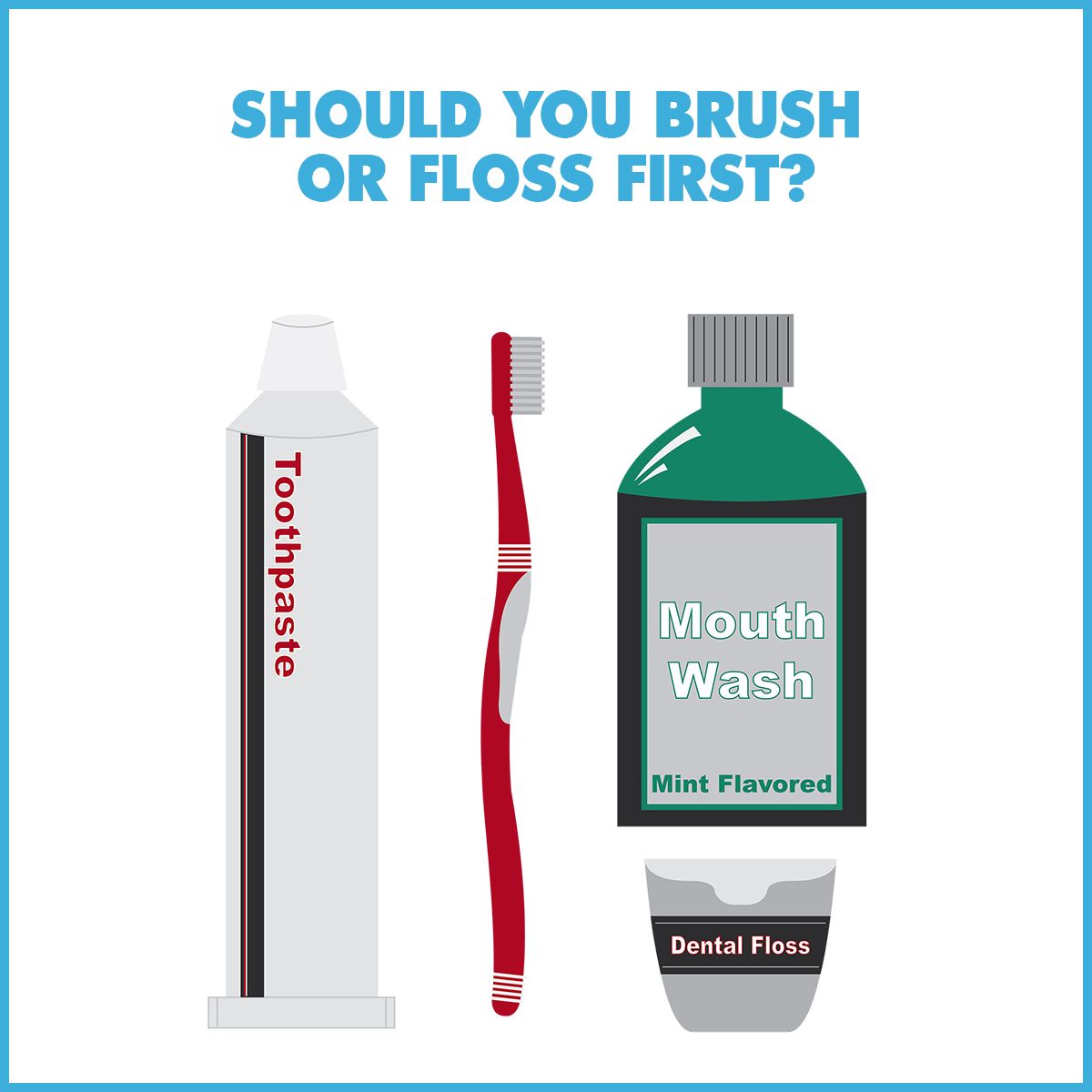
Maintaining optimal oral hygiene is paramount for overall health, yet a perennial debate persists among dental aficionados: Should you floss or brush first? Each method is rooted in specific benefits and implications for one’s dental regimen. Understanding the mechanics and potential outcomes of both practices can empower individuals to make informed decisions about their oral care. In this exploration, we will delve into various perspectives regarding the sequence of flossing and brushing while examining the science behind each approach.
The Importance of Oral Hygiene
Oral hygiene is not merely a routine; it is an integral aspect of one’s well-being. Effective dental care involves more than just the elimination of visible plaque. It’s about preventing the insidious buildup of bacteria that can lead to dental caries, periodontal disease, and other systemic health issues. Brushing and flossing both have distinct roles in this endeavor.
The Case for Brushing First
Advocates of brushing first argue that this method allows for a thorough disruption of plaque biofilm on the surface of teeth. By utilizing a fluoride toothpaste, individuals can effectively inhibit the growth of harmful bacteria. This fluoride adheres to the enamel, strengthening it and protecting against decay. Once the teeth are adequately brushed, flossing can serve as the final step to eliminate any food particles or plaque that remain between the teeth—a notoriously tough area to reach.
Furthermore, brushing first prepares the teeth and gums, allowing for better access when flossing. This approach effectively loosens food particles that might be lodged between teeth, making the subsequent flossing process more efficacious. By reducing the bulk of plaque and food debris through brushing, the act of flossing becomes more productive, ultimately leading to a cleaner mouth.
Research also suggests that brushing can help in lessening gum inflammation prior to flossing. A reduction in gum sensitivity means that flossing can be a more comfortable experience, particularly for those who experience discomfort during this crucial step.
The Advantages of Flossing First
Conversely, proponents of flossing first present compelling arguments of their own. The rationale here is straightforward: Flossing first can dislodge food particles and plaque from between the teeth, creating a pristine surface for brushing. This hypothesis posits that brushing after flossing is akin to applying polish to a surface that has already been meticulously cleaned. In this order, fluoride from the toothpaste could penetrate between the teeth more effectively.
Flossing first has also been credited with encouraging a thorough cleaning process. By removing debris between the teeth prior to brushing, the risk of spreading bacteria from gum pockets to other areas of the mouth may diminish. This could be especially pivotal for individuals prone to gum disease, as it effectively mitigates the chances of bacteria festering and proliferating.
Moreover, flossing first could help establish a more disciplined oral care routine. Individuals who floss prior to brushing might be more inclined to take the act of cleaning their teeth seriously, thereby fostering a practice that ensures all areas of the mouth receive adequate attention. Confidence in one’s cleaning method can subsequently lead to improved oral hygiene practices over time.
Interviews with Dental Professionals
Insights gleaned from dental practitioners reinforce the notion that both methods can yield positive results, contingent upon individual habits. Many dentists emphasize the importance of consistency over the specific sequence of events. The critical takeaway from these discussions is that whether one brushes or flosses first, regularly performing both activities is indispensable for sustaining optimal oral health.
Furthermore, some dental professionals advocate for personalization in one’s approach. For instance, individuals with tighter contacts between their teeth might find that flossing first creates more space for effective brushing, while those with larger spaces might execute more effective cleaning by brushing initially.
Innovative Products and Tools
In light of this debate, various products have emerged that cater to both flossers and brushers alike. Dental professionals now promote electric toothbrushes that feature built-in timers and pressure sensors, ensuring users maintain proper technique while brushing. Additionally, advanced flossing tools, such as water flossers and inter-dental brushes, garner attention as complementary devices for those who may struggle with traditional floss.
Such innovations are indicative of the dental industry’s commitment to enhancing user experience and promoting good habits. The key lies in finding a combination of tools that resonates with individual preferences, thus contributing to a cohesive dental hygiene routine.
Culmination: Making an Informed Choice
Ultimately, the choice between flossing first or brushing first is steeped in individual preference and specific oral health needs. Consideration of personal habits, comfort levels, and professional recommendations will guide the decision-making process. Regardless of the chosen method, the overarching goal remains consistent: to achieve and maintain a healthy smile. By employing either technique diligently, individuals can fortify their dental health and embrace a brighter, healthier future.











Leave a Comment