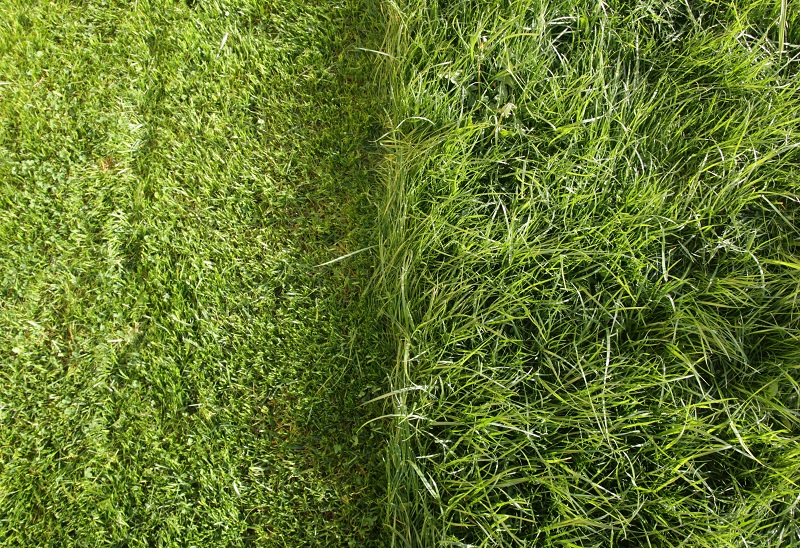
Establishing a lush, verdant lawn is a gratifying endeavor for homeowners and gardening enthusiasts alike. However, one of the most pressing questions they face is: “How long does a lawn take to grow?” The timeline for lawn growth can be influenced by a myriad of factors, from seed selection to climatic conditions. This article delves into the nuances of lawn development, elucidating the various types of grass, the stages of growth, and essential care tips to help you nurture a thriving yard.
1. Understanding the Types of Grass
The first step in determining how long your lawn will take to grow is to understand the different types of grass available. Grass species generally fall into two categories: cool-season grasses and warm-season grasses, each with their own unique growth patterns.
Cool-Season Grasses: These grasses flourish in the northern regions, where temperatures are moderate. Varieties such as Kentucky bluegrass, fescue, and ryegrass typically germinate swiftly in spring and fall. They thrive during cooler temperatures and can take anywhere from 7 to 14 days to sprout after planting.
Warm-Season Grasses: In contrast, warm-season grasses, such as Bermuda, Zoysia, and St. Augustine, thrive in southern climates. These grasses prefer higher temperatures, germinating best during late spring and summer. They often require 14 to 30 days to establish themselves, depending on the specific variety and growing conditions.
2. Seed Selection and Quality
The quality of the grass seed you choose significantly affects growth rate and lawn health. Look for seeds that are certified and free from contaminants. Seeds packaged with a higher germination rate will lead to a denser, more robust lawn. Consider blends that combine different grass types—this can enhance resilience against local pests and diseases.
3. Preparation and Soil Health
The stage is set for successful grass growth long before the seeds are sown. Soil health is paramount. Testing your soil for pH and nutrient levels will provide insight into the amendments needed for optimal growth. A pH of 6.0 to 7.0 is generally ideal for most grasses.
Before sowing, prepare the soil by aerating it and, if necessary, adding organic matter like compost. A well-cultivated bed with good drainage will foster quicker germination and root penetration. Ensure the soil is loose and crumbly, allowing grass roots to expand freely.
4. The Germination Process
Once seeds are sown, the germination phase begins. This crucial period typically lasts between 7 to 30 days, contingent on factors such as seed type and environmental conditions. Warm soil and adequate moisture support faster germination; whereas, cooler, drier conditions may prolong the wait.
During this time, it is essential to maintain a consistent watering schedule, keeping the top inch of soil moist but not waterlogged. Overwatering can lead to disease issues, while too little moisture can hinder the germination process.
5. Early Growth and Establishment
As germination concludes, you will notice seedlings emerging from the ground. This initial growth phase typically lasts 2 to 3 weeks for cool-season grasses and may extend to 4 to 6 weeks for warm-season varieties. The young grass plants will need careful monitoring during this stage.
Light foot traffic should be avoided, as established roots are still tender and susceptible to damage. Fertilization at this stage is also critical; utilize a starter fertilizer low in nitrogen to promote healthy root development without pushing unnecessary top growth. A balanced approach will yield a lush, green lawn.
6. Maturation and Maintenance
Once the grass reaches a height of 3 to 4 inches, it enters the maturation phase. At this point, it can take anywhere from 6 to 12 months for a newly seeded lawn to fully mature, depending on grass type and environmental factors. Regular mowing starts around this point; cutting at proper intervals contributes to denser growth and encourages lateral spreading.
Continuing to manage water, nutrients, and pest control will be vital. Implementing a seasonal care routine—fertilizing in the spring and early fall, aerating yearly, and overseeding as needed—ensures ongoing vitality.
Conclusion
The journey to a flourishing lawn is a multi-faceted process influenced by diverse factors, including seed type, soil quality, and climatic conditions. While the germination phase can span days to weeks, maturation takes several months to a year or more, depending on various elements. By understanding the particularities of grass types and adhering to recommended care practices, you can cultivate a vibrant lawn that not only enhances your property’s aesthetic appeal but also provides a delightful sanctuary for recreation and relaxation. Remember, patience and diligent care are companions on your lawn-growing journey.








Leave a Comment