Introduction
Alcohol consumption, a social and cultural staple for many, can lead to various repercussions, especially concerning legal and health-related scenarios. One of the pivotal methods employed for gauging recent alcohol intake is the Ethyl Glucuronide (EtG) test. Understanding how long EtG can detect alcohol in urine is essential for individuals concerned about the implications of their drinking behavior, whether for employment, medical reasons, or personal awareness. This comprehensive guide delves into the nuances of EtG testing, its timeframe for alcohol detection, and factors influencing these periods.
1. What is Ethyl Glucuronide (EtG)?
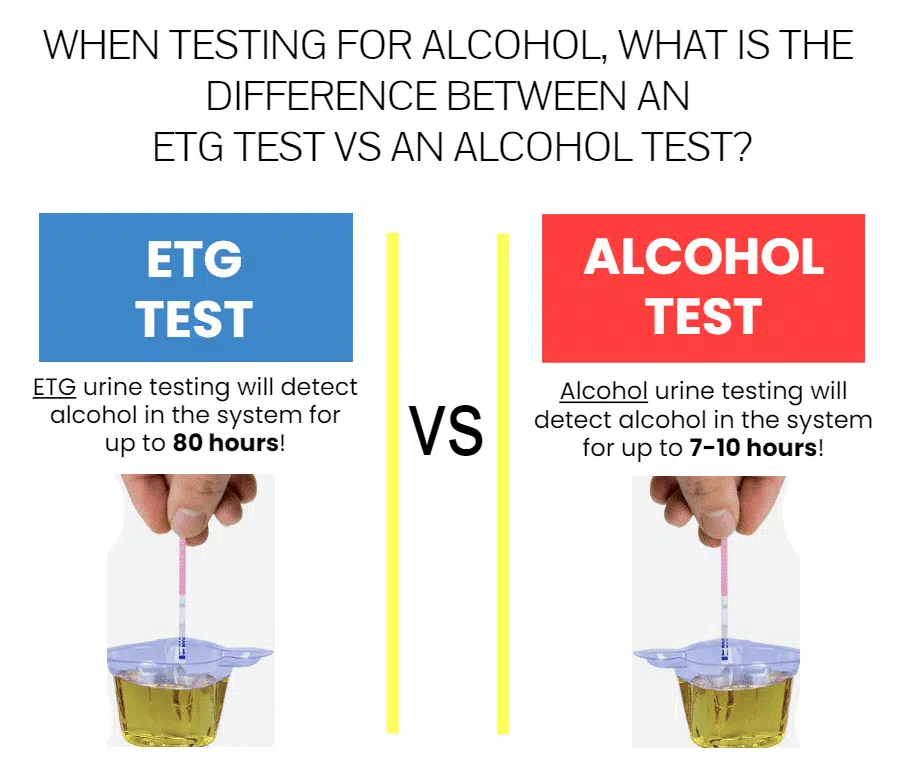
EtG is a metabolite formed when alcohol undergoes a process of conjugation in the liver. The enzymatic reaction involves alcohol being combined with glucuronic acid, leading to the production of EtG. This water-soluble substance is excreted through urine, making it an ideal candidate for alcohol detection tests. Unlike standard alcohol tests that identify the presence of ethanol, the EtG test specifically targets this metabolite, offering a more extended window for detection. This distinctive characteristic allows the EtG test to ascertain alcohol consumption even after the intoxicating effects have significantly diminished.
2. Detection Window for EtG in Urine
The detection window for EtG in urine varies, primarily influenced by several factors. Typically, EtG can be detected in urine for:
- Standard Detection Time: Generally, EtG can be detected for up to 48 to 72 hours after alcohol consumption. In some instances, this period may extend up to 80 hours or even longer, depending on specific variables.
- Light Drinkers: For individuals who consume small quantities of alcohol, EtG presence usually ranges from 12 to 24 hours post-ingestion.
- Moderate to Heavy Drinkers: Those who indulge in higher quantities may find EtG detectable for a longer duration, upwards of 3 to 5 days.
- Chronic Alcohol Consumers: For habitual drinkers or those with significant alcohol dependence, EtG levels can linger for a duration exceeding one week, significantly increasing the likelihood of detection in urine tests.
3. Factors Influencing Detection Times
Several physiological and contextual factors can considerably impact the timeline for EtG detection in urine:
- Individual Metabolism: Metabolic rate varies significantly among individuals. Factors such as body weight, liver function, age, and sex can all play a role in how quickly EtG is processed and eliminated from the body.
- Amount of Alcohol Consumed: The volume and alcohol content of beverages consumed will directly influence the amount of EtG produced. Larger amounts equate to more significant metabolite production, subsequently affecting detection windows.
- Fluid Intake: Hydration levels can have an impact on urine concentration. An increase in fluid intake may dilute EtG levels, possibly leading to shorter detection windows.
- Urine pH and Specific Gravity: Factors such as urine pH and specific gravity reflect physiological conditions affecting how metabolites are excreted. More acidic or concentrated urine can foster prolonged detection times.
- Medications and Dietary Factors: Certain prescriptions, over-the-counter medications, or even specific food items may influence the metabolism of alcohol and its byproducts, affecting detection periods.
4. Limitations and Considerations
While the EtG test provides valuable information regarding alcohol consumption, there are limitations to consider:
- False Positives: It is plausible for individuals to yield false positives through the consumption of non-alcoholic products that contain trace amounts of alcohol, such as mouthwashes or certain food items.
- Stability of EtG: Although EtG has a relatively stable presence in urine, improper storage or delayed testing of urine samples can lead to degradation, potentially skewing test results.
- Individual Variability: Inter-individual differences make it difficult to establish universal detection timelines; what holds true for one person may not apply to another.
5. Practical Implications
The ramifications of understanding the detection window of EtG are profound. For individuals subjected to routine drug testing, knowing how long EtG can be detected in urine can help inform responsible drinking choices. For employers, particularly in safety-sensitive positions, comprehending these dynamics serves to promote responsible workplace cultures. Furthermore, healthcare providers may utilize this information to devise suitable treatment plans for patients facing alcohol-related challenges.
Conclusion
In conclusion, comprehending the intricacies of how long EtG can detect alcohol in urine is paramount for various stakeholders, from everyday individuals to healthcare professionals. The detection window may span anywhere from a mere few hours to several days, influenced by factors like personal metabolism, hydration, and consumption levels. While the EtG test is an essential tool for understanding alcohol intake, its limitations necessitate careful consideration. Ultimately, awareness and informed decision-making are critical when it comes to alcohol consumption and its potential consequences in daily life.











Leave a Comment