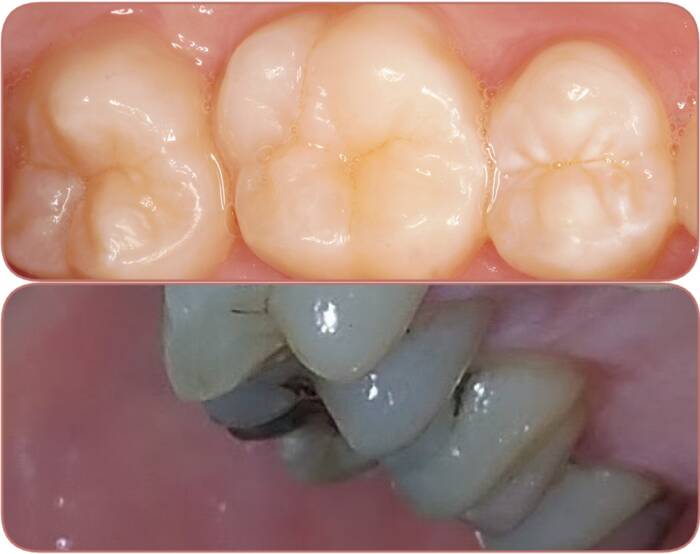
The human mouth is a landscape of intricate valleys and peaks, each tooth a formidable fortress guarding the treasures of taste and function. Among these stalwart sentinels, the molar stands out, robust and resolute, serving as the primary grinder of sustenance. However, like an unexpected storm cloud shadowing a sunlit day, black spots on molars can emerge, signaling a myriad of issues that may lurk beneath the surface. Understanding these enigmatic spots is crucial for preserving not just dental health but overall well-being.
In this exploration, we’ll delve into the myriad causes, implications, and remedies associated with black spots on molars. From the ominous origins to preventative measures, the journey through this dental intricate web will unveil the transformative power of knowledge in nurturing a vibrant smile.
1. The Anatomy of a Molar: More Than Just a Tooth
To fully appreciate the significance of black spots on molars, one must first understand their composition. Molars are the broad, flat teeth at the back of the mouth, engineered for grinding food. Each molar comprises an exterior layer of enamel—the hardest substance in the human body—over a layer of dentin, which is softer and more susceptible to decay. The juxtaposition of hardness and vulnerability illustrates the complex relationship between opulence and fragility within our dental architecture.
2. Identifying the Black Spot: An Ominous Indicator
The appearance of a black spot on a molar can evoke a sense of dread, akin to finding a crack in a cherished vase. It may manifest as a small speck on the surface of the tooth or extend deeper into the enamel. The causes of these darkened areas can be multifaceted and nuanced:
- Cavities: Perhaps the most recognized culprit, dental caries occur when bacteria produce acids that erode the enamel. Over time, this decay forms cavities, often appearing as dark spots, a visual testament to biological warfare waged within.
- Staining: Foods and beverages such as coffee, tea, and certain fruits can leave stains on tooth enamel, transforming what was once pristine into a nebulous shadow of its former glory. Smoking and certain medications may also contribute to this aesthetic decline.
- Dental Restoration Failure: In some instances, fillings or other dental restorations can fail, resulting in discoloration. These blackened spots signify a breakdown in the once-thriving structure meant to repair and protect.
- Trauma: Physical trauma to a tooth can disrupt its vascular supply, leading to discoloration. Such spots may signal the need for urgent intervention, much like a storm-tossed ship signaling distress on the open sea.
3. The Consequences of Ignoring Black Spots
Inevitably, neglecting to address black spots on molars can lead to repercussions that ripple through the entire dental landscape. The onset of decay often exacerbates further damage, creating a cascade effect:
- Pain and Sensitivity: In the early stages, black spots may be asymptomatic, but as decay deepens, they can morph into sources of excruciating pain. This discomfort is akin to a thunderous roar echoing through a once-calm valley, demanding attention.
- Infection: Untreated cavities can lead to infections that reach the pulp of the tooth. These bacterial invasions can create abscesses, resulting in swelling, fever, and potential systemic complications.
- Tooth Loss: In extreme cases, the integrity of a molar may be compromised to the point of extraction, leading to gaps in the dental arch that disrupt function and aesthetics.
4. Solutions and Remedial Actions
Addressing black spots on molars necessitates a proactive and informed approach. The first step is an appointment with a dental professional who can diagnose the underlying cause and recommend a treatment plan:
- Preventive Care: Regular dental check-ups are paramount. Routine cleanings can help thwart the onset of cavities and staining, acting as a shield against the encroaching dark.
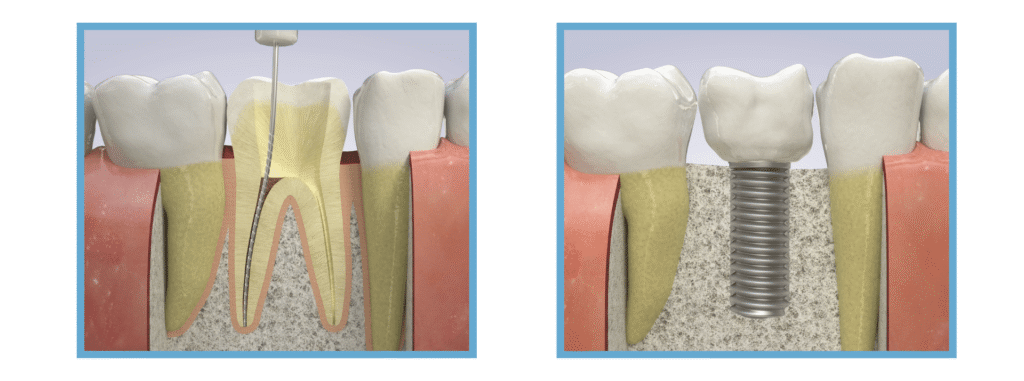
- Restorative Treatments: If decay is detected, filling the cavity with composite resin or amalgam can restore the tooth’s structure and function. In severe cases, a root canal might be necessary to alleviate infection and preserve the tooth.
- Whitening Procedures: For cosmetic concerns related to staining, professional whitening treatments can revitalize the appearance of molars, restoring their brightness and luster.
- Home Hygiene Practices: Maintaining a rigorous oral hygiene routine—brushing twice daily, flossing, and using an antibacterial mouthwash—serves as the bulwark against future incursions.
5. Preventing Future Occurrences
The age-old adage, “An ounce of prevention is worth a pound of cure,” resonates profoundly in the context of dental health. To avoid the emergence of black spots, consider adopting the following preventative measures:
- Mindful Eating: Limiting the intake of sugary and acidic foods can significantly reduce the risk of cavities. Choose foods rich in calcium and phosphate to strengthen enamel.
- Stay Hydrated: Drinking ample water, especially fluoridated water, ensures the mouth remains hydrated, neutralizing acids and washing away debris.
- Regular Dental Visits: Committing to regular dental appointments enables early detection of issues, ensuring molars stay fortified against decay.
In conclusion, while a black spot on a molar may initially evoke a sentiment akin to spotting a dark cloud on a sunny day, it is imperative to remember that knowledge and action can illuminate the shadows of uncertainty. By understanding the causes, consequences, and remedies related to these discolorations, individuals can champion their dental health, ensuring that their molars continue to serve as steadfast sentinels in the landscape of life—a landscape that, when nurtured, is vibrant and robust.








Leave a Comment