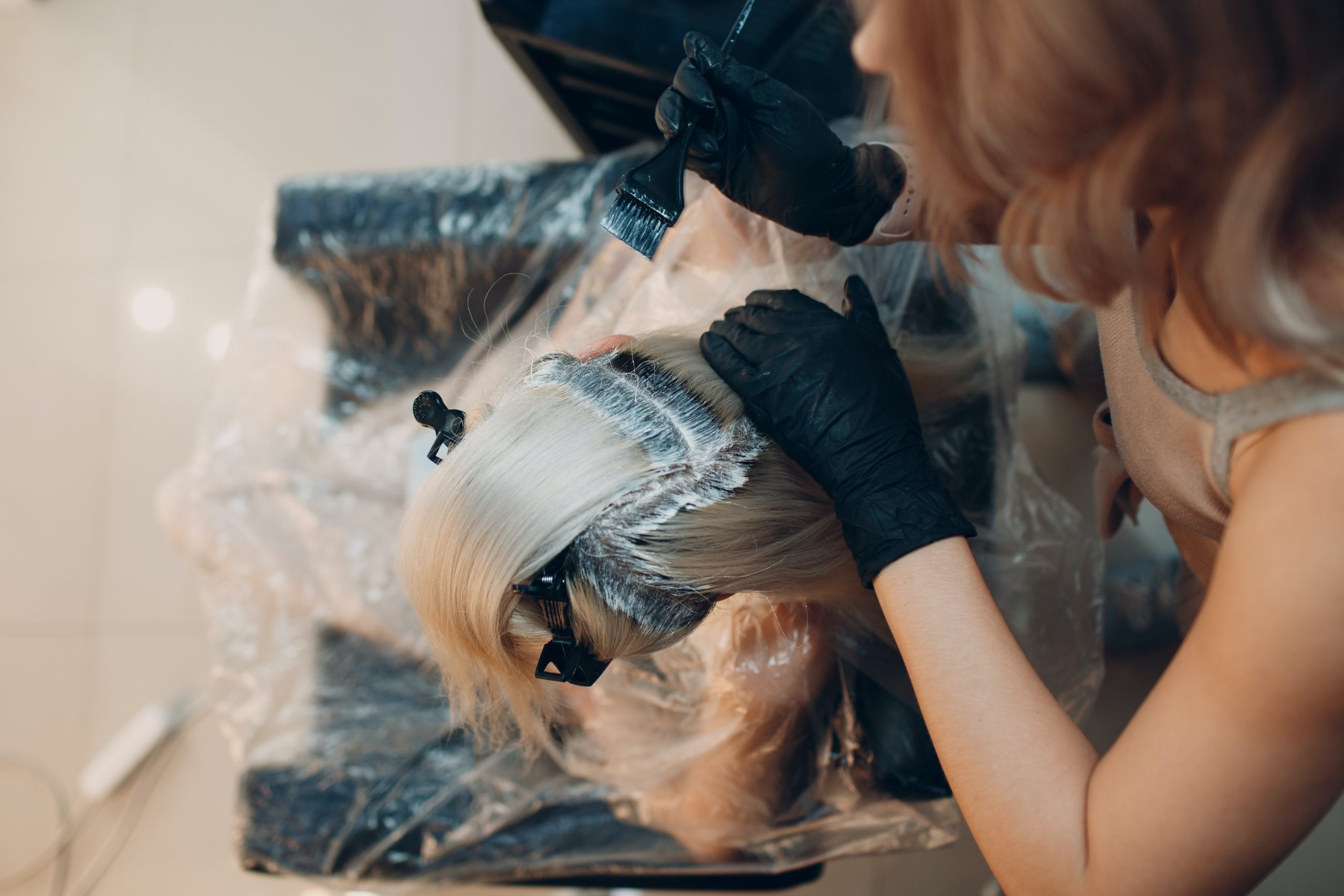
Many people find themselves enthralled by the transformative power of hair dye. A mere change in color can rejuvenate a weary aesthetic or rejuvenate self-esteem. Yet, this captivating allure comes with an inevitable question: does dying your hair damage it? The variable consequences of hair dye extend beyond mere aesthetics and delve into the very structure of the hair itself. A nuanced understanding of the chemistry, technique, and maintenance involved in hair dyeing unveils a complex relationship between color and health.
To fully appreciate how dying hair affects its condition, it is paramount to understand the biological makeup of hair. Hair is primarily composed of keratin, a resilient protein that forms the majority of its structure. Embedded within this protein matrix are pigment molecules that bestow the hair with its natural color. When dye is applied, it penetrates the hair shaft, altering the pigment molecules through a precise chemical reaction. This procedure can yield vibrant colors and striking transformations; however, the method by which these changes occur is where potential damage lurks.
Hair dyes generally contain a blend of ammonia and peroxide. Ammonia acts as an alkaline agent that opens the hair cuticle, allowing color to penetrate. Peroxide, on the other hand, functions as a lightening agent, stripping hair of its existing color while simultaneously creating space for new dye molecules. While this science holds the key to the captivating hues we desire, both of these components can be aggressive. The opening of the hair cuticle renders it more porous and susceptible to environmental damage, ultimately leading to dryness and brittleness if not managed correctly.
Moreover, frequent dyeing accelerates the natural wear and tear that hair endures. Each application can strip moisture and essential oils from the hair shaft, leading to a condition often described as ‘over-processed.’ This term encompasses a range of issues including split ends, frizz, and an overall lackluster appearance. Consequently, what begins as an attempt to enhance one’s look can paradoxically result in a hair care conundrum.
Color choice also plays a vital role in the degree of damage experienced. While rich jewel tones and vivacious reds may be visually stunning, they often require more intensive processing than subtler shades. Fashion colors, especially those that necessitate pre-lightening, can exacerbate damage due to the additional treatments involved. On the contrary, opting for semi-permanent or demi-permanent dyes can mitigate some of the harsher effects. These alternatives tend to be less abrasive and do not penetrate as deeply, making them more suitable for those wary of committing to extensive chemical treatments.
Technique matters, too. The manner in which hair is dyed can significantly impact its condition. For instance, self-application of dyes at home may lack the expertise and precision that a professional stylist provides. Home kits often come with a one-size-fits-all approach, which can lead to uneven application and spotty results. In contrast, a seasoned colorist can assess your hair’s unique texture and condition, tailoring the application to minimize damage and optimize results.
Another consideration is the frequency of dyeing. While some may indulge in monthly touch-ups to maintain a certain shade, doing so can lead to cumulative damage. Gradually, even the most resilient strands can succumb to the persistent onslaught of chemicals. It is advisable to space out dyeing sessions and allow your hair time to recuperate, thereby reducing the risk of long-term degradation.
Furthermore, the aftercare regimen is pivotal in preserving the integrity of dyed hair. Utilizing sulfate-free shampoos and conditioners specifically designed for color-treated hair can significantly mitigate moisture loss and protect against fading. Conditioning treatments and hair masks infused with nourishing oils can restore hydration and improve elasticity, thus reviving hair’s natural brilliance. Regular trims can also help eliminate split ends, ensuring that hair retains optimal health between coloring sessions.
The fascination with changing one’s hair color often stems from deeper reasons, encompassing identity, self-expression, and even psychological empowerment. By coloring their hair, individuals find a channel through which to assert their individuality or conform to the ever-evolving trends of society. While the process may induce temporary damage, the psychological benefits of engaging with one’s hair can outweigh potential physical repercussions, fostering a renewed sense of self and confidence.
Ultimately, the relationship between hair dye and hair health is multifaceted. While yes, dyeing one’s hair can inflict damage that manifests as dryness, breakage, and discoloration, the extent of this damage hinges on a plethora of factors—dye type, technique, frequency, and aftercare. Armed with knowledge, individuals can make informed decisions that allow them to revel in the joy of color without neglecting the wellness of their hair. With thoughtful choices and diligent maintenance, one can indeed embrace vibrant locks while fostering a foundation of health and vitality.








Leave a Comment