Introduction
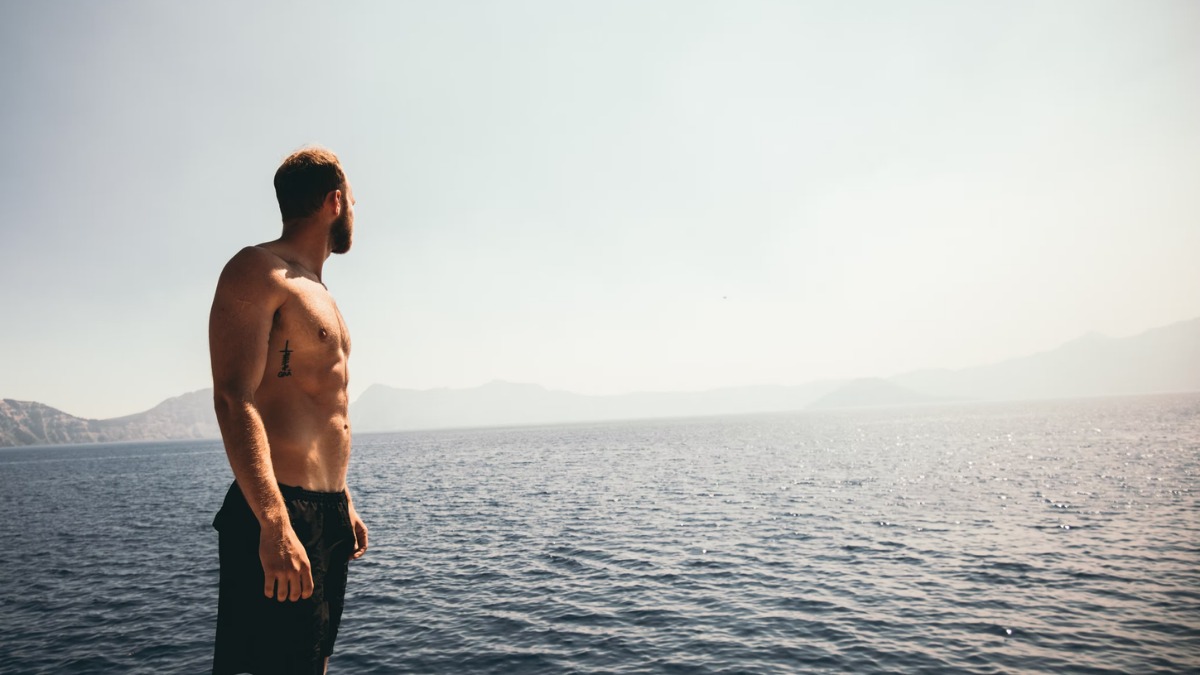
There is an undeniable allure to sun-kissed skin that evokes a sense of vitality and leisure. The golden glow acquired during sun exposure serves as a visual reminder of warm summer days spent outdoors. However, a common query arises: how long does a sun tan last? This question invites a deeper examination not only into the duration of a tan, but also into the underlying biology of skin pigmentation and the intrinsic human fascination with the sun. Understanding the dynamics of a sun tan can provide insight into skin health, seasonal shifts in self-perception, and the age-old appreciation for sunlit beauty.
Understanding the Formation of a Tan
The journey of a sun tan begins with exposure to ultraviolet (UV) radiation emitted by the sun. When skin is subjected to the sun’s rays, melanocytes—cells responsible for producing melanin—activate. Melanin serves as the skin’s natural defense mechanism against the dangers of UV rays, absorbing and dispersing the radiation. This process not only gives rise to a darker skin tone but also contributes to varying complexities in skin texture and condition.
The Duration of a Tan
A tan is transient; the duration it lasts largely depends on several factors, including skin type, overall health, and the tanning method utilized. Generally, a natural tan can last anywhere from a few days to several weeks. In most cases, the longevity of a tan ranges from 7 to 10 days, with some variations:
- Skin Type: People with lighter skin tones tend to lose their tans more quickly than those with darker complexions. This is largely due to the less robust melanin production in lighter-skinned individuals.
- Exfoliation: Engaging in activities that promote skin cell turnover, such as exfoliation, showering frequently, or using harsh soaps, can accelerate the fading of a tan.
- Sun Exposure: Continued sun exposure after the initial tanning can prolong the life of the tan, though this comes with its own risks of sunburn and skin damage.
- Moisturization: Keeping the skin well-hydrated can help maintain the tan longer. Conversely, dry skin tends to flake off more easily, leading to a quicker fading of color.
- Age: As we age, skin regeneration slows down, impacting how long a tan may linger. Older skin may not hold onto pigment as effectively as younger skin.
The Biochemistry of Fading
To truly grasp the reasons behind the fleeting nature of a tan, it’s crucial to dive into the biochemistry involved in skin regeneration. The skin’s outermost layer, known as the epidermis, is a dynamic structure. It continuously sheds dead skin cells in a process termed desquamation. Typically, the entire epidermal layer regenerates every 28 days, yet this cycle can vary based on individual factors. Once melanin production ceases due to the lack of continued UV exposure, the cells with excess melanin will gradually slough away, revealing new, untanned skin beneath.
Seasonal Considerations
The fleeting nature of a suntan not only relates to biological processes but also aligns with shifting seasons. As summer transitions into fall, many feel a sense of nostalgia for the warm months as their tans begin to fade. This seasonal cycle can impact one’s mood and self-perception. A sun tan often symbolizes leisure, adventure, and vitality, which can lead to a longing for the carefree experiences associated with summertime. Emerging from winter’s pallor into spring holds a promise of renewal and excitement, emphasizing the cultural importance of a tanned complexion.
Health Implications
While the aesthetic appeal of a suntan may be captivating, it’s essential to acknowledge the health ramifications of sun exposure. UV radiation can significantly elevate the risk of skin cancer, photoaging, and other skin disorders. Thus, achieving a tan—or at least maintaining an attractive skin tone—should be approached with caution. Using sunblock, wearing protective clothing, and understanding one’s skin type can mitigate adverse effects while still allowing for a semblance of a sun-kissed glow.
Alternatives to Natural Tanning
For those desiring the radiance of a tan without the exposure to harmful UV rays, alternative options abound. Self-tanners and bronzers have surged in popularity, offering a safe way to achieve a tanned appearance without the risks associated with sunlight. These products often contain dihydroxyacetone (DHA), which reacts with the amino acids in the skin’s surface, creating a temporary tan that can last several days. Additionally, professional spray tans provide an efficient and controlled method for imparting a sun-kissed glow without exposure to damaging rays.
Conclusion
A sun tan, while a symbol of beauty and vitality, encapsulates more than just aesthetic appeal; it reflects deeper cultural narratives and biological mechanics. The lifespan of a suntan is variable, entwined with factors such as skin type, care practices, and environmental influences. As we bask in the warm embrace of the sun, it is vital to consider skin health and available alternatives to natural tanning. Ultimately, the quest for a luminous glow should be balanced with a comprehensive understanding of its ephemeral nature and the wisdom of skin preservation.








Leave a Comment