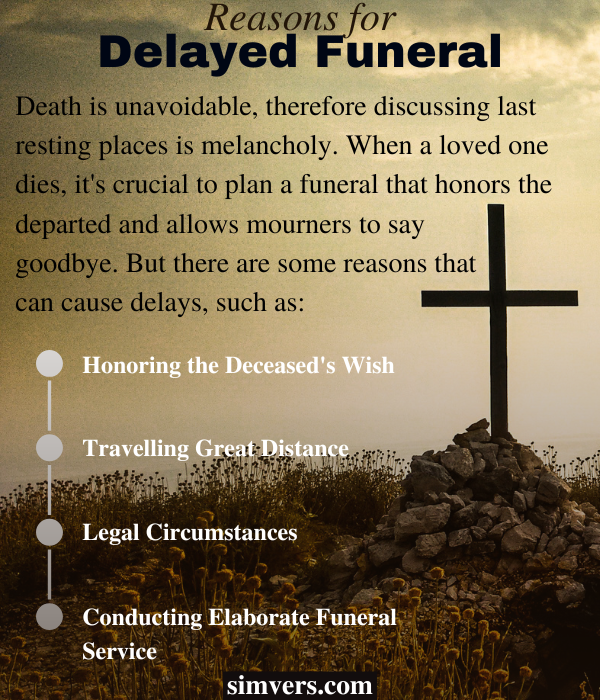
Understanding the duration of a funeral is a topic that elicits both curiosity and contemplation, striking at the core of human experiences surrounding mortality. Funerals serve as rites of passage, reflecting societal norms and individual practices that vary widely across cultures and communities. This exploration into how long a funeral lasts inevitably leads to deeper reflections on the meaning of life and death itself.
In general terms, the length of a funeral can vary significantly based on various factors including cultural traditions, religious practices, the deceased’s wishes, and logistical considerations. The following sections will unravel these intricacies, providing insights into why the duration of funerals can hold profound significance.
The Standard Duration of a Funeral Service
A conventional funeral service typically spans between 30 minutes to an hour. This timeframe allows for the essential elements of mourning, remembrance, and closure. During this period, attendees often engage in activities such as readings, eulogies, prayers, and musical tributes that honor the deceased. These solemn rituals serve not only to commemorate the life that has passed but also to facilitate the grieving process for those left behind.
Though this half-hour to an hour serves as a baseline, variations abound. Funerals for public figures, or those steeped in tradition, may extend longer to accommodate a larger audience and more elaborate ceremonial elements. Conversely, family-oriented gatherings may adopt a more succinct approach, focusing on personal tributes that resonate deeply with intimate circles.
Factors Influencing Funeral Length
Several factors contribute to the variability in funeral duration:
- Cultural Traditions: Different cultures have unique rituals that can significantly affect the length of the service. In some cultures, such as those influenced by Eastern philosophies, funerals may last several days, incorporating continuous rituals and gatherings that mark the passage of the deceased’s soul. In others, such as typical Western customs, services may be more condensed but still layered with meaningful traditions.
- Religious Practices: Religious beliefs heavily inform funeral lengths. For example, a Catholic funeral mass may last roughly an hour to incorporate the liturgy, Eucharistic elements, and sermon, while a Buddhist farewell might extend over several days, featuring a series of prayers, chants, and rituals meant to guide the spirit toward its next incarnation.
- Personal Preferences: The deceased’s wishes can also dictate the length of the ceremony. Some individuals may express a desire for a simple, brief service, while others may wish for a grand homage—potentially involving multiple speakers, elaborate visuals, and extended sharing of memories.
- Attendance and Community: The number of attendees can impact the service length. Larger gatherings often entail additional eulogies and tributes, making for a longer event, whereas a more intimate setting may focus on shared stories and personal reflections, promoting a more streamlined service.
Viewing and Visitation Periods
Funerals often extend beyond the ceremonial service itself, encompassing viewing or visitation periods that can last for hours or even days prior to the actual event. This time serves as an opportunity for loved ones to pay their respects, offer condolences, and share cherished memories of the deceased. These moments, while not part of the formal service, greatly contribute to the overall experience, allowing for personal connections that transcend the confines of time.
Typically, viewings may be held the evening before the funeral, lasting anywhere from a couple of hours to an entire evening. In some instances, families may opt for a more extended visitation period, facilitating a communal space for mourning.
Post-Funeral Gatherings
Following the funeral service, it is customary in many cultures to hold a gathering, often referred to as a repast or wake. This post-funeral event allows attendees to come together in a less formal setting, sharing food and stories that honor the life of the deceased. While these gatherings can be brief, lasting an hour, they can also extend into early evening hours, depending on the family’s needs and traditions.
These moments are vital in providing a sense of solace and support as individuals navigate their collective grief. The act of sharing resources—food, memories, and emotional support—serves to strengthen the bonds within the bereaved community.
Conclusion
The question of how long a funeral lasts transcends mere minutes or hours; it taps into the fabric of human connection, mourning, and the quest for meaning in the face of loss. Funerals are an intricate tapestry woven from the threads of cultural significance, ritualistic practices, and individual preferences. While the duration can vary widely, each gathering serves the essential purpose of honoring a life lived, providing solace to those left behind, and ultimately guiding them toward healing.
The exploration of funeral durations invites a deeper reflection on our own beliefs about life and death, urging us to contemplate how we cherish and remember those who have departed. In understanding the length of funerals, we also delve into the perennial human fascination with mortality, creating space for collective grief and the vital expressions of love and remembrance that follow.









Leave a Comment