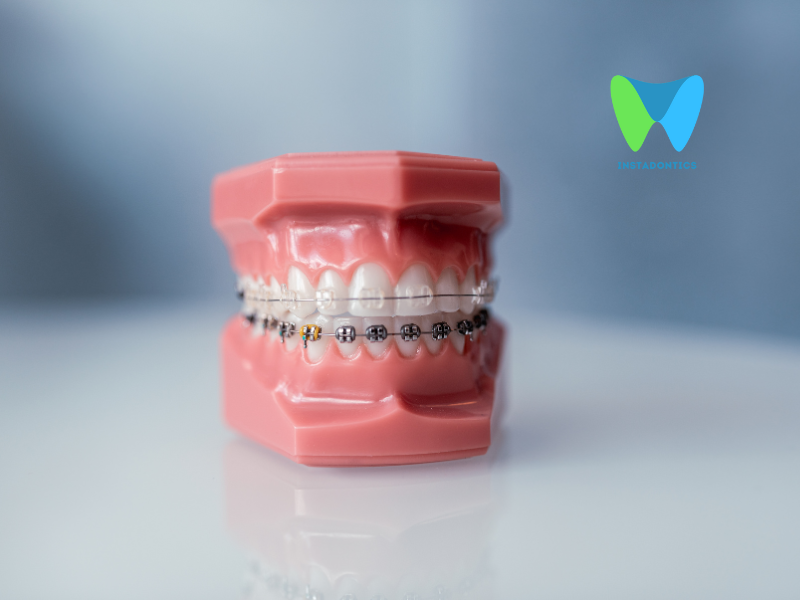
Braces are an essential component of orthodontic treatments, helping individuals achieve a straighter, healthier smile. Over the years, advancements in dental technology have led to the development of various types of braces, each catering to specific needs and preferences. In this comprehensive guide, we delve into the different types of braces available, their unique features, and the specific conditions they are designed to address.
1. Traditional Metal Braces
Traditional metal braces are perhaps the most recognizable form of orthodontic treatment. Comprising high-grade stainless steel, these braces use brackets and archwires to exert pressure on the teeth gradually. While they are effective for addressing a multitude of alignment issues—ranging from minor spacing to severe crowding—traditional metal braces are also the most noticeable option. Patients can customize their braces with colorful elastics, making them a popular choice among younger patients seeking a fun, personalized touch.
2. Ceramic Braces
Ceramic braces offer a more aesthetically pleasing alternative to traditional metal options. These clear or tooth-colored brackets blend seamlessly with the natural shade of the teeth, making them less conspicuous. Although effective and similar in function to metal braces, ceramic braces often require more careful maintenance due to their susceptibility to staining from certain foods and drinks. They are particularly popular among adult patients who desire a subtler orthodontic solution without compromising efficacy.
3. Lingual Braces
For those seeking discretion, lingual braces present an innovative solution. These braces are affixed to the inner surfaces of the teeth, rendering them virtually invisible to onlookers. Custom-made according to the patient’s dental patterns, lingual braces can address complex orthodontic issues. However, they may require a period of adjustment, as patients often experience initial discomfort and may find speech patterns temporarily affected. Nevertheless, their unnoticeable design makes them a favored option among professionals and image-conscious individuals.
4. Self-Ligating Braces
Self-ligating braces, whether metal or ceramic, incorporate a unique design that eliminates the need for elastic bands. Instead, they utilize a specialized clip mechanism to hold the wire in place. This innovation allows for reduced friction and may result in shorter treatment times. Patients often experience less discomfort because the braces exert more consistent pressure over time. The convenience of self-ligating braces also extends to fewer office visits, making them an appealing choice for many seeking a more efficient orthodontic journey.
5. Invisalign
Invisalign represents a transformative approach to orthodontic treatment, utilizing a series of clear, removable aligners to gradually straighten the teeth. Crafted from advanced thermoplastic material, these aligners are custom-formed to fit snugly over the teeth, making them both comfortable and virtually invisible. The aligners are typically changed every one to two weeks, allowing for a progressive shift in dental positioning. Patients appreciate the removable aspect, as it enables easy eating, drinking, and maintaining oral hygiene. However, commitment to wearing the aligners for at least 20-22 hours daily is crucial for optimal results.
6. Clear Aligners
Similar to Invisalign, other brands of clear aligners offer varying degrees of effectiveness and affordability. These options have emerged as popular alternatives as technological advancements in orthodontics continue to evolve. While results can be comparable to Invisalign, each brand may feature unique design elements or treatment protocols. Consulting an orthodontist can help determine the most suitable clear aligner system for an individual’s specific dental requirements.
7. Space Maintainers
Space maintainers are essential tools used primarily in pediatric dentistry. After the premature loss of a baby tooth, these appliances serve to hold the space open for the permanent tooth that will eventually erupt. By preventing adjacent teeth from shifting into the space, space maintainers ensure that the eventual alignment is both functional and aesthetically pleasing. They come in fixed or removable forms, depending on the specific situation and the child’s cooperation level.
8. Palatal Expanders
Palatal expanders are orthodontic devices designed to widen the upper jaw. This process is particularly beneficial for children and adolescents whose jawbones are still developing. By expanding the palate, orthodontists can create additional space for crowded teeth and help correct crossbites. The expander is custom-made to fit the upper arch and is typically used for several months, with gradual adjustments made to achieve the desired width. Regular monitoring is necessary to ensure optimal results without discomfort.
9. Temporary Anchorage Devices (TADs)
Temporary Anchorage Devices (TADs) represent a more advanced option within orthodontics. These small screws are implanted into the jawbone to facilitate precise tooth movement. TADs function as a stable anchor point, allowing orthodontists to apply targeted forces to individual teeth or groups of teeth without compromising neighboring structures. While they may be less well-known among laypersons, TADs are invaluable for complex cases requiring intricate adjustments.
Conclusion
With a plethora of braces options available, individuals seeking orthodontic treatment can find a solution that fits their unique needs and lifestyle. From traditional metal braces to discreet options like lingual braces and clear aligners, a diverse array of choices ensures that patients can achieve their desired results comfortably and effectively. It is crucial, however, to consult with a qualified orthodontist who can provide guidance on choosing the most appropriate type of braces based on specific dental issues, aesthetic preferences, and overall treatment goals. With the right brace type, achieving that perfect smile is not only attainable but also a rewarding journey towards enhanced dental health.








Leave a Comment