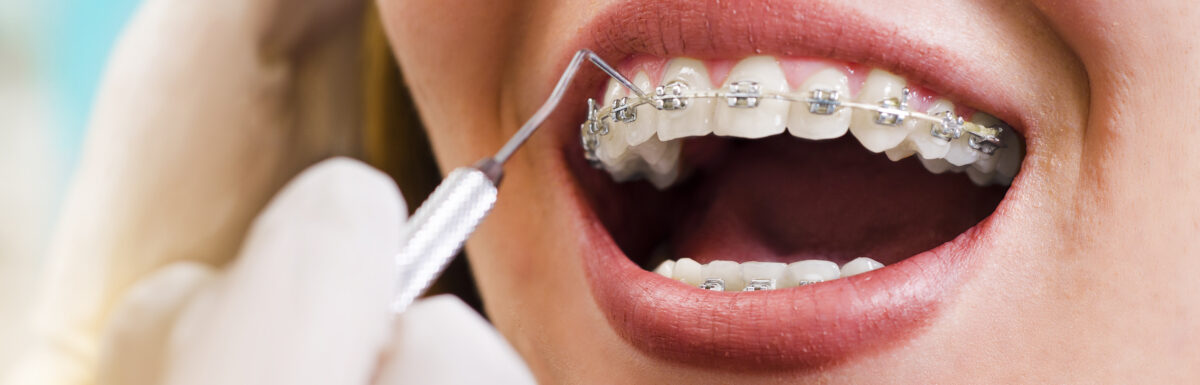
For many individuals navigating the world of orthodontics, the journey to a radiant smile often comes with a myriad of questions and concerns. Among the myriad of queries that arise during this period, one stands out: “Can you chew gum with braces?” This seemingly simple question is rife with implications, not only for dental health but also for maintaining comfort and hygiene. To delve into this matter thoroughly, this article will explore various dimensions of chewing gum while wearing braces, including the types of gum to consider, potential risks, expert recommendations, and suitable alternatives.
The Basics of Braces
Before we unravel the complexities of gum chewing with braces, it is essential to understand the fundamental purpose of orthodontic devices. Braces are designed to correct misaligned teeth, improve bite issues, and enhance overall dental aesthetics. These intricate appliances apply gentle pressure to gradually shift teeth into their desired positions. Given their delicate nature, it becomes paramount to scrutinize the substances that one introduces to the mouth during this orthodontic journey.
Can You Chew Gum with Braces?
The direct answer to the question is nuanced. While some orthodontists may permit specific types of gum, the general consensus leans toward caution. Chewing gum, particularly the sticky varieties, can pose several challenges for individuals wearing braces.
Types of Gum: The Good, the Bad, and the Ugly
Not all gum is created equal. Understanding the different classifications of gum can aid in making an informed decision:
- Sugar-Free Gum: This variety is often recommended due to its role in stimulating saliva production. Saliva is a natural defender against cavities and can aid in neutralizing acids produced by food. However, even sugar-free gum can be problematic if it is particularly sticky.
- Chewy Gum: On the contrary, chewy or sticky gum is best avoided. This type of gum adheres to the brackets and wires of braces, potentially leading to dislodgement or damage. The stickiness can also create difficulties in maintaining oral hygiene.
- Hard Gum: Hard gums should be approached with caution. Their density can result in broken brackets or loosened wires, placing extra instructional and financial burdens on an already taxing orthodontic process.
Potential Risks of Chewing Gum with Braces
When contemplating whether to chew gum, it is crucial to acknowledge the various risks associated with it:
- Damage to Braces: Sticky or chewy gums can latch onto braces, not only dislodging components but also potentially causing injury to the soft tissue inside the mouth.
- Oral Hygiene Challenges: Gum can get trapped between brackets and wires, creating ideal conditions for plaque and bacteria accumulation. This can lead to cavities and gum disease if proper cleaning protocols are not followed.
- Increased Discomfort: For many individuals, chewing gum can exacerbate the discomfort or soreness often associated with braces adjustments. The added pressure on already sensitive teeth can be unwelcome and painful.
Expert Recommendations and Guidelines
- Consulting Your Orthodontist: Always consult with your orthodontist before making any decisions regarding chewing gum. They can provide personalized advice based on your treatment plan and the current state of your dental health.
- Stick to Sugar-Free Options: If allowed, consider only chewing sugar-free gum that is less likely to stick to your braces. However, moderation is key. Limit the frequency and duration of chewing.
- Maintain Rigorous Oral Hygiene: Regardless of your decision about gum, maintaining impeccable oral hygiene is non-negotiable. Flossing and brushing after meals (and chewing gum) ensure that food particles and bacteria do not linger.
Savory Alternatives to Chewing Gum
- Chewing Sugar-Free Mints: These can offer a refreshing flavor without the gum-chewing risks. They can help freshen breath while being less likely to adhere to braces.
- Sugar-Free Lozenges: Similar to mints, lozenges can stimulate saliva production and keep your mouth feeling fresh without the stickiness associated with chewing gum.
- Hard Candies (occasionally): While hard candies should also be consumed with caution, selecting varieties that dissolve quickly can provide a satisfying sweetness without the risks of chewing.
Conclusion
In conclusion, while the allure of chewing gum during the orthodontic journey may seem compelling, it requires careful consideration. The potential perils of damaging braces, promoting suboptimal oral hygiene, and exacerbating discomfort make it necessary to tread lightly. Always prioritize the advice of your orthodontic specialist and consider the alternatives that can provide satisfaction without compromising your dental health. Embracing the journey of braces can ultimately lead to the radiant smile you aspire to achieve—patience, mindfulness, and informed choices can make all the difference.











Leave a Comment