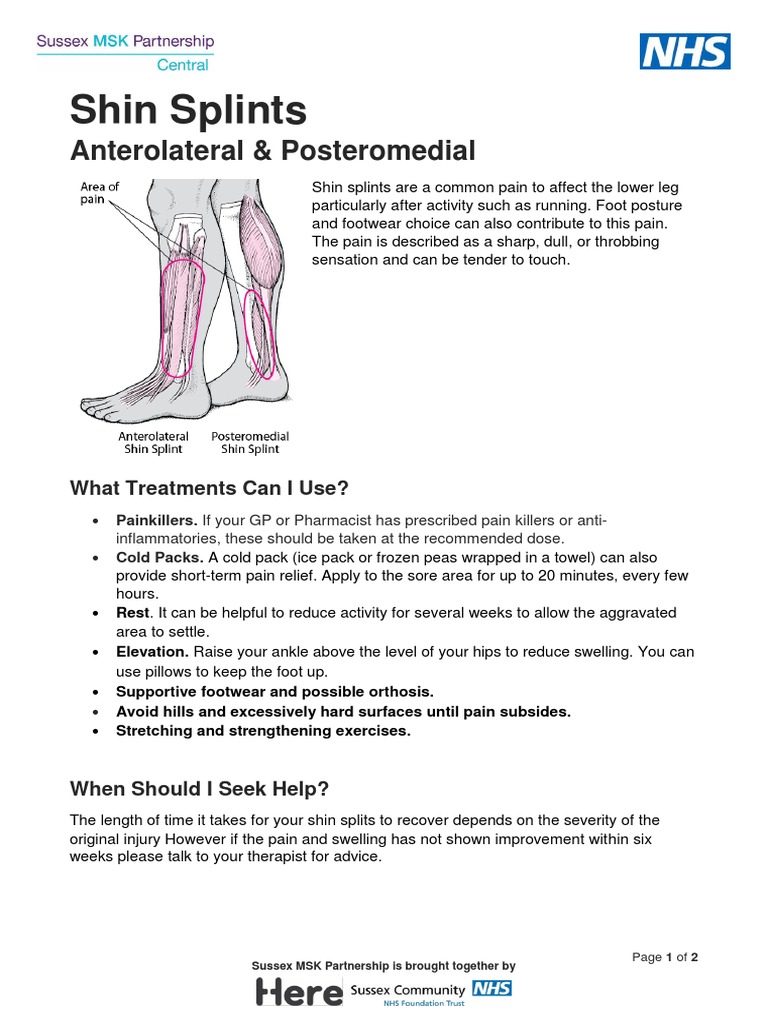
Shin splints, akin to unwelcome guests at a celebration, can derail the most enthusiastic runners and athletic enthusiasts. Like a shadow that creeps up, quietly disrupting the rhythm of movement, this condition often roots itself in the lower leg, inflicting pain and obstruction. Yet, just as every storm eventually passes, often the right inserts can illuminate a pathway to recovery. The landscape of athletic health has evolved, offering a myriad of solutions for shin splint sufferers, particularly in the realm of insoles. Let’s embark on a detailed exploration of inserts for shin splints, carefully dissecting their types, benefits, and how to identify the right choice for your feet.
First and foremost, it is essential to understand why shin splints occur. This common ailment, known medically as medial tibial stress syndrome, arises primarily from repetitive stress on the shinbone and the connective tissues surrounding it. Factors such as improper footwear, excessive training, and biomechanical issues—all of which can contribute to this affliction—highlight the importance of using adequate footwear and inserts.
1. The Anatomy of Comfort: Understanding Inserts
Inserts, or insoles, act as the unsung heroes in the quest for alleviating the discomfort of shin splints. They come in various types, each designed with a specific purpose. Insoles can be broadly classified into three categories:
- Neutral Insoles: These provide a balanced support for neutral arch types, allowing for natural foot movement. They serve as a cushion rather than correcting any significant foot irregularities.
- Motion Control Insoles: Designed for those with flat or overpronated feet, these inserts curtail excess motion, stabilizing the foot’s position and reducing stress on the shins.
- Custom Orthotics: Tailored to the individual’s foot structure, these are often prescribed by a podiatrist. They cater specifically to unique needs, addressing particular biomechanical anomalies.
The right type of insole can serve as a foundation, transforming the way one runs and, by extension, how one moves through life.
2. The Science Behind the Comfort: Materials Matter
Understanding the materials used in these inserts is akin to knowing the ingredients of a fine dish. The composition not only influences comfort but also their effectiveness in mitigating shin splint symptoms. Key materials include:
- Foam: Often a staple in many insoles, foam offers cushioning and shock absorption, allowing for a softer landing with each stride.
- Gel: This material reigns supreme in providing plush comfort, adapting to the foot’s contours and minimizing impact.
- Thermoplastic: Engineered for stability and support, thermoplastic materials can be molded for a personalized fit, promising enhanced biomechanics.
Like selecting the finest fabric for a bespoke suit, choosing the right material is critical in ensuring optimal comfort and relief from pain.
3. The Art of Selection: Finding Your Ideal Insert
Choosing the right insert is not merely a matter of preference; it is a process steeped in awareness and understanding. Here are pivotal aspects to consider:
- Foot Arch Type: Identifying whether you have a high arch, neutral arch, or flat foot is vital, as the insert must accommodate your unique foot shape.
- Shoe Compatibility: Ensure that the selected insert fits well within your running shoes or everyday footwear, as a snug fit prevents movement within the shoe that could lead to further injury.
- Activity Level: Consider your activity type—runners may require more shock absorption, while individuals engaged in weightlifting might prioritize stability.
Like a skilled artisan matching tools to a task, finding the right insert requires introspection and careful consideration of individual needs.
4. The Ritual of Implementation: Incorporating Inserts Into Your Routine
Integrating inserts into your footwear routine is akin to nurturing a sapling into a mighty tree; patience and consistent care are essential. Start by gradually introducing the inserts into your footwear, allowing your feet to acclimate to the new support system. Begin with short durations and progressively increase usage to mitigate the risk of further discomfort.
It is advantageous to combine this practice with other supportive measures such as stretching, strengthening exercises, and, if necessary, cross-training. A holistic approach can dramatically enhance your recovery journey.
5. Beyond Inserts: Holistic Solutions for Lasting Relief
While inserts provide a foundation of comfort, they are just one facet of the complex puzzle that is shin splint relief. Other strategies may include:
- Proper Footwear: Ensuring that running shoes are not only comfortable but also suited for your specific gait can significantly reduce stress on the shins.
- Rest and Recovery: Giving yourself time to heal is indispensable. Adequate rest allows the body to mend and adapt.
- Consulting a Professional: If shin splint symptoms persist, seeking advice from a healthcare provider or physiotherapist can provide tailored solutions and prevent chronic issues.
Just as a tapestry integrates diverse threads to create an intricate design, addressing shin splints requires a multifaceted approach that weaves various strategies together.
In conclusion, while shin splints can feel like an insurmountable hurdle, the right inserts—paired with informed strategies—can pave the way for recovery. Each step toward understanding and alleviating the pain is a step toward reclaiming the joy of movement. Invest time in educating yourself about insoles, consider the unique needs of your feet, and remember: with every thoughtful choice, you can turn the tide against shin splints—transforming discomfort into fluidity, and barriers into pathways of vitality.











Leave a Comment