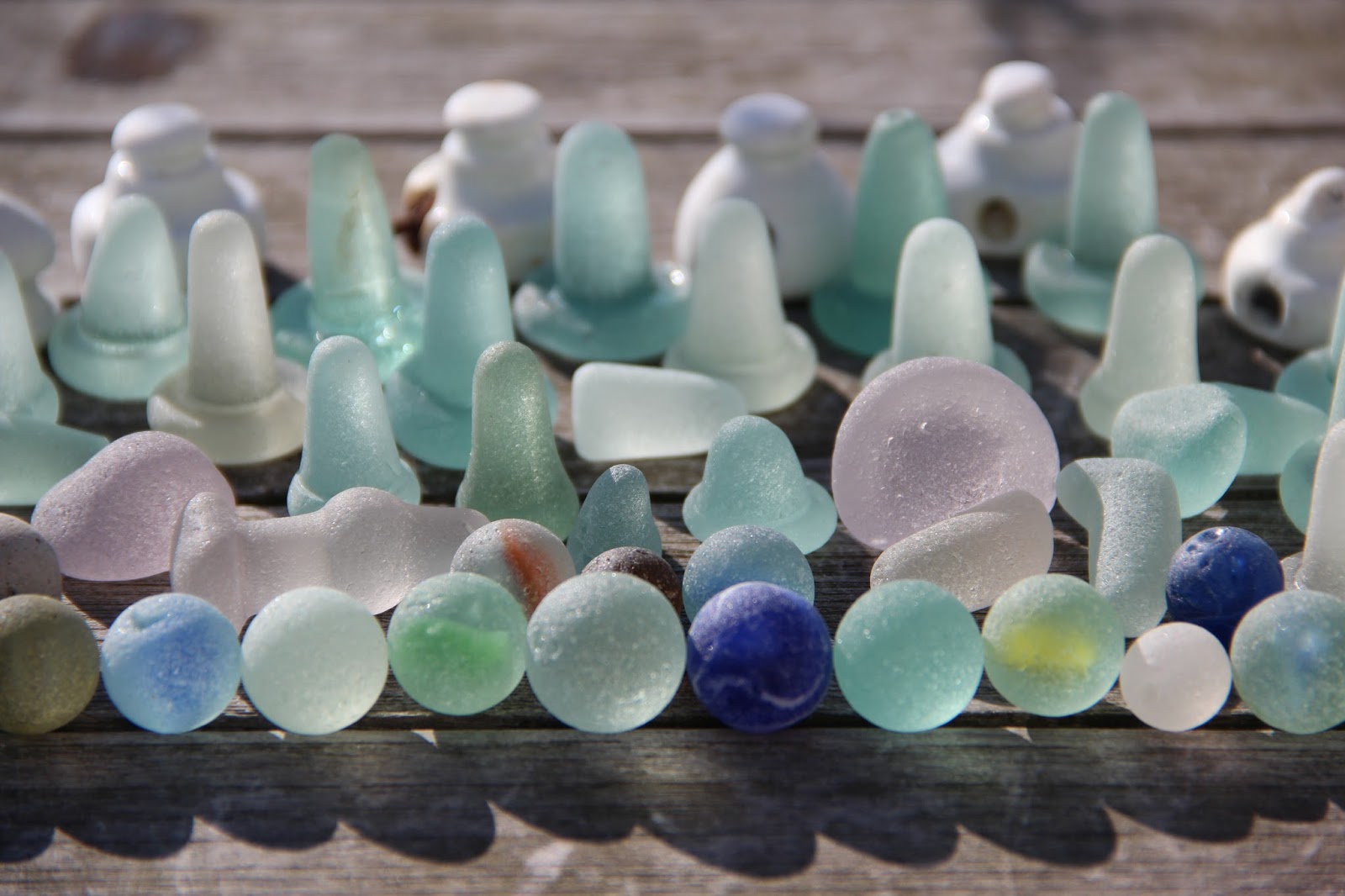
Fascination with the ocean often leads to the discovery of delightful treasures, one of which is sea glass. This enchanting material, shaped by tides and time, captures the imagination of collectors and artisans alike. Sea glass encompasses a rich tapestry of colors, textures, and histories that beckon to be understood. In this article, we will delve into what sea glass is, explore its origins, categorize its types, and discuss its various uses, all while unveiling the allure it holds.
Understanding Sea Glass: An Overview
Sea glass is the result of human-made glass that has found its way into the ocean or other bodies of water, typically due to littering or shipwrecks. Over time, this glass accumulates in the briny depths, undergoing a beautiful transformation. The days and nights spent immersed in saltwater, tumbled by waves, and smoothed against sandy shores refine the jagged edges into lustrous, frosted gems. The result is a piece of art—a gem shaped by nature—a blend of the ocean’s artistry and human history.
The Origins of Sea Glass
The journey of sea glass begins with discarded glass items. Common culprits include bottles, jars, and even broken shards from glass objects. Once cast aside and discarded, these items subsequently face their fate—being swept away by waves or turbulent waters. The composition of the glass, which often includes ferrous oxides that produce vibrant hues when exposed to sunlight, influences its end appearance.
Different factors contribute to the creation of sea glass: the type of glass, the duration it spends in the water, and the surrounding environmental conditions. The longer the glass remains submerged, the smoother and more polished it becomes, often evolving from ordinary to extraordinary through the relentless embrace of salty waves.
Types of Sea Glass
Sea glass can be classified into several categories, primarily defined by color and texture. These distinctions not only enhance our understanding of the material but also enrich its storytelling potential.
1. Common Colors
Many sea glass enthusiasts are drawn to the striking colors that these pieces exhibit. The most frequently encountered hues include:
- Green: Perhaps the most prevalent color, green sea glass typically originates from beer and soda bottles.
- Brown: Often derived from liquor bottles and medicine jars, brown glass frequently exhibits robust, earthy tones.
- Clear: While clear glass may seem mundane, it can feature unique textures and frosted finishes that elevate its aesthetic appeal.
2. Rare Colors
In contrast to the common tones, certain colors are far less frequently found, making them coveted treasures for collectors. Rare shades include:
- Blue: Shades of blue range from pale aquamarine to deep cobalt and are often remnants of vintage glassware.
- Red: One of the rarest colors, red glass was often used for carnival glass or decorative bottles.
- Yellow: This warm hue, which once adorned soda bottles, holds a allure in its scarcity.
3. Textures
In addition to color, textures play a significant role in determining the aesthetic value of sea glass. Textures may include:
- Frosted: The hallmark of a well-tumbled piece, a frosted texture results from prolonged exposure to the elements.
- Smooth: Incredibly tactile, smooth glass pieces often feel like polished stone, inviting touch.
- Sharp: While less desirable for collectors, sharp shards are remnants of recent breakage, begging to be transformed.
Uses of Sea Glass
The versatility of sea glass extends far beyond mere collection. Artisans and hobbyists have harnessed its enchanting beauty, repurposing it into various creative outlets. Some popular applications include:
- Jewelry: Necklaces, earrings, and bracelets made from sea glass captivate with their uniqueness and organic charm.
- Home Decor: Incorporating sea glass into decorative items such as vases, lamps, and framed artwork adds a coastal allure to any setting.
- Craft Projects: From mosaic art to wind chimes, the possibilities for crafting with sea glass are as boundless as the ocean itself.
The Ecological Importance of Sea Glass
Beyond its aesthetic appeal, sea glass holds lessons in environmental sustainability. Each piece represents a journey of reclamation—an indication that humanity’s impact on the environment can culminate in beauty. Collecting sea glass encourages stewardship of our oceans, stoking a commitment to reduce waste and pollution.
Enthusiasts often participate in beach clean-up efforts, fostering community involvement and raising awareness about ocean conservation. This interconnectedness between nature and humanity serves as a reminder that through mindful actions, we can protect and cherish the world around us.
Conclusion: The Allure of Sea Glass
Sea glass emerges as a captivating testament to nature’s transformative power. Each piece tells a story—a fusion of time, waves, and human touch that shapes its beauty. Collectors and creators alike revel in the distinctive charm of sea glass, whether displayed as art, worn as jewelry, or included in unique creations. Its ecological significance further enriches its narrative, weaving a thread of responsibility into the tapestry of this delicate treasure. The next time you stroll along a sandy shore, keep an eye out for these shimmering remnants of the past, and perhaps, you’ll uncover a piece of oceanic history to call your own.








Leave a Comment