When it comes to dental health, the significance of a robust smile cannot be overstated. A beautiful grin goes hand-in-hand with self-confidence and emotional well-being. However, accidents and decay can wreak havoc, often leading individuals to consider restorative solutions such as dental crowns. These ceramic or metallic wonders can restore tooth structure, improve aesthetics, and prolong the functional lifespan of teeth. Yet, one looming question often sidetracks patients on their dental journey: how much do dental crowns cost? Let’s delve into the myriad factors influencing crown pricing, the types of materials available, and what you can anticipate when budgeting for this restorative marvel.
The Basics: Understanding Dental Crowns
Before we sift through costs, it’s essential to grasp what a dental crown is. These caps encase a tooth, offering protection and restoring shape, size, and strength. Crowns can be recommended for various reasons, from reinforcing weakened teeth to salvaging cracked or severely decayed teeth. They might also serve a cosmetic purpose, transforming discolored or misaligned teeth into a harmonious, mouth-filling symphony.
Factors Influencing Cost
The price of dental crowns can fluctuate wildly based on several interrelated factors. Understanding these can elucidate the complexities behind your dental expenditures.
1. Material Choice
The selection of material significantly impacts the price point of dental crowns. Common materials include:
- Porcelain: Often embraced for its aesthetic appeal, porcelain crowns can range from $800 to $3,000 per tooth. They mimic natural tooth color effectively, making them ideal for visible teeth.
- Porcelain-Fused-to-Metal (PFM): Offering a blend of durability and aesthetic features, PFM crowns typically range from $500 to $1,500. While they are sturdy, they may sometimes reveal a dark line at the gum line.
- Gold Alloys: Known for their strength and longevity, gold crowns command a price range from $600 to $2,500. Many patients opt for gold in the back of the mouth due to its durability.
- Zirconia: These crowns are gaining traction for their resilience and aesthetic qualities, usually falling in the $1,000 to $2,500 price range.
2. Geographic Location
Where you seek treatment plays a vital role in the overall cost of crowns. Urban areas with higher living costs often correlate with elevated dental fees. Conversely, rural practices may provide more competitive pricing, making location an essential consideration when budgeting for crowns.
3. Dentist Expertise and Clinic Type
The dentist’s level of experience and the type of clinic also weigh heavily on the final price. Renowned specialists or those in high-end dental facilities typically charge higher fees. However, their expertise might yield superior results and a more comfortable experience, warranting the investment in some cases.
4. Additional Treatments
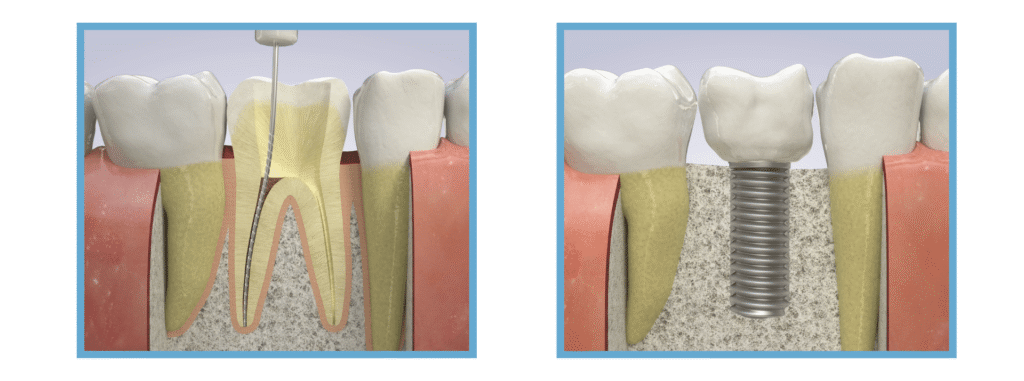
The overall cost of crowns may extend beyond the crown itself. Patients often require preparatory procedures such as X-rays, dental examinations, or root canals, all of which can inflate your total bill significantly. Be sure to inquire about these ancillary treatments when contemplating your budget.
5. Insurance Influence
If you’re fortunate enough to have dental insurance, it may cover a portion of the costs associated with crowns. Typically, insurance plans cover anywhere from 50% to 80% of restorative procedures, including crowns. However, the extent of coverage varies extensively, making it crucial to familiarize yourself with your specific policy and its stipulations.
Making Informed Decisions
Now that we’ve laid the groundwork for understanding dental crown prices, it’s time to consider the path forward. While the expense may seem daunting, several factors can facilitate a smoother transition:
- Consultation and Estimates: Prior to the procedure, seek multiple consultations. Most dentists are willing to provide estimates, aiding in discerning the right option for your financial constraints.
- Payment Plans: Many dental practices offer financing options or payment plans. These arrangements can alleviate the immediate burden and render expensive treatments more manageable on a monthly basis.
- Dental Schools: Exploring dental schools for treatment can yield reduced costs while allowing students to gain hands-on experience supervised by professionals.
Conclusion: A Profound Investment in Your Health
In summation, the cost of dental crowns is multifaceted, entwined with various factors including choice of material, geographic location, expertise of the dental provider, additional treatments, and insurance coverage. While the price tags can appear formidable, approaching the situation with informed awareness empowers you to make prudent decisions about your dental health. The pursuit of quality dental care is a worthwhile journey—one that not only bolsters physical well-being but also enhances life’s most essential asset: a confident smile. Taking the step to invest in dental crowns is a testament to your commitment to preserving your health and appearance, paving the way for vibrant smiles for years to come.








Leave a Comment