How To Clean Your Bite Guard: An Essential Guide
For those who wear bite guards, whether for bruxism, dental protection during sports, or other reasons, maintaining proper hygiene is paramount. These seemingly innocuous devices play a crucial role in safeguarding your teeth, yet they can easily become breeding grounds for bacteria, mold, and unpleasant odors if not cleaned properly. If you’ve ever wondered how to preserve your bite guard’s longevity and effectiveness, you’re in for a journey of discovery. Below, we explore meticulous methods and insightful techniques to ensure your bite guard remains pristine and functional.
Understanding the Importance of Regular Cleaning
Your bite guard is in constant contact with your mouth, an environment teeming with moisture and microorganisms. Without routine cleaning, you risk introducing bacteria into your oral cavity, which can lead to gum disease or other dental maladies. Moreover, neglecting proper care can degrade the material of your bite guard, affecting its fit and efficacy. Recognizing these factors prompts a shift in perspective: maintaining your guard isn’t merely a chore but an investment in your overall dental health.
What You’ll Need
Before embarking on your cleaning odyssey, gather the necessary materials. To accomplish a thorough cleaning of your bite guard, you’ll require:
- A soft toothbrush (preferably one with no bristles to avoid scratches)
- A non-abrasive soap or dishwashing detergent
- A small bowl of warm water
- A microfiber cloth or soft towel
- A dental solution or antiseptic mouthwash (optional)
- Vinegar or baking soda (as an alternative cleaning agent)
Cleaning Techniques: Step-by-Step Instructions
Now that you have your cleaning cache at the ready, let’s delve into the techniques for maintaining your bite guard.
Step 1: Rinse Thoroughly
Begin by rinsing the bite guard under lukewarm running water. This initial rinse helps dislodge any surface debris or saliva that may clinging to the material. Do this gently, avoiding any harsh scrubbing at this stage.
Step 2: Create a Cleaning Solution
In your small bowl, mix a few drops of non-abrasive soap or dishwashing detergent with warm water. Ensure the solution is well-blended. If you prefer a natural approach, opt for vinegar mixed with water—an excellent alternative due to its antibacterial properties. A solution of baking soda and water can also work wonders in combating odors and stains.
Step 3: Brush the Surface
Dip your soft toothbrush into the cleaning solution and gently brush the entirety of the bite guard, paying special attention to crevices where bacteria may gather. This brushing technique should be reminiscent of a delicate caress, ensuring you don’t scratch the surface of the material.
Step 4: Rinse Again
After brushing, it’s imperative to rinse your bite guard once more. Place it back under running water to remove any soap residue. A thorough rinse ensures no cleaning agents linger to affect your oral environment.
Step 5: Soak for Deeper Cleaning
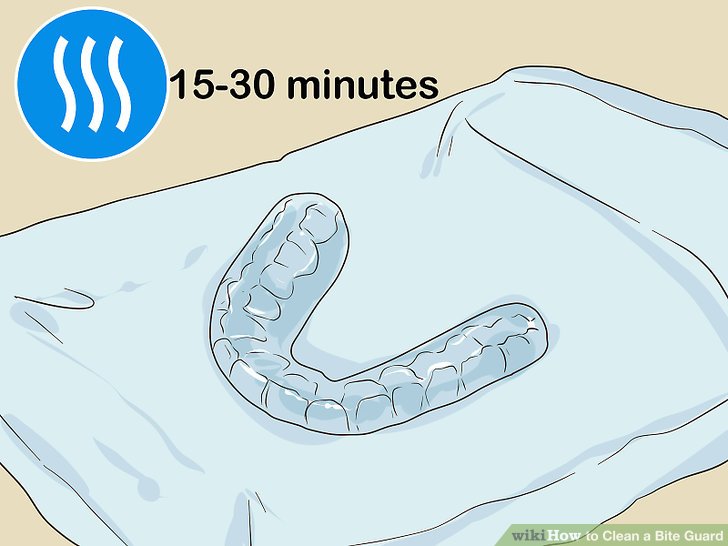
For a more thorough cleanse, consider soaking your bite guard in your chosen antiseptic mouthwash or diluted vinegar for 15-30 minutes. This step not only sanitizes but can also help eradicate persistent odors. If you opt for vinegar, be sure to rinse adequately afterward.
Step 6: Drying and Storage
Utilize a microfiber cloth or soft towel to dry your bite guard. Avoid placing it in direct sunlight or using artificial heat sources, which could warp the material. Once dried, store your bite guard in a ventilated case, ensuring ample air circulation to prevent the accumulation of moisture.
Maintaining Your Bite Guard: Additional Tips
Cleaning your bite guard is just the beginning. Here are a few more considerations for ensuring its longevity and functionality:
- Daily Rinse: After each use, give your bite guard a quick rinse with water to remove bacteria and food particles that accumulate throughout the day.
- Avoid Hot Water: Steer clear of hot water during cleaning, as it can deform the bite guard’s shape.
- Periodic Deep Cleaning: Schedule a deep cleaning using a disinfectant solution at least once a week, especially if you live in a humid environment.
- Check for Wear: Regularly inspect your bite guard for signs of wear or damage. A compromised guard not only loses its protective qualities but may also contribute to jaw discomfort.
Conclusion: A Fresh Perspective on Oral Care
Investing time in the care and cleaning of your bite guard is not just about maintaining its physical state; it also transforms your understanding of oral hygiene. Embracing these cleaning methods can shift your perspective from routine maintenance to an essential ritual that contributes to your overall well-being. With diligent care, your bite guard will serve you faithfully and effectively, ensuring that it continues to protect your smile. So, the next time you reach for your guard, remember: a little effort goes a long way toward a healthier mouth and a brighter outlook on dental care.










Leave a Comment