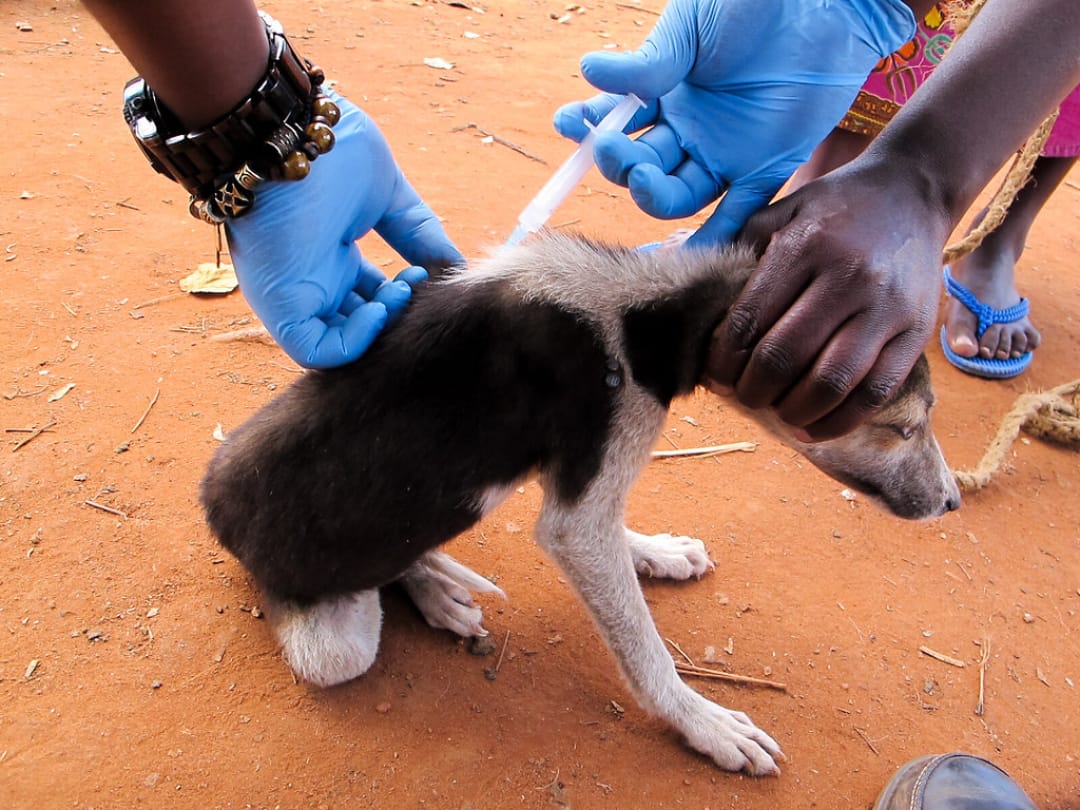
In the realm of pet ownership, the bond between a dog and its human can be likened to a timeless symphony, each note contributing to an intricate harmony of companionship, loyalty, and love. However, hidden beneath this delightful melody lies a discordant note: the specter of rabies. The importance of rabies vaccinations resonates throughout the canine world, much like the importance of a metronome to a symphony, establishing a rhythm of health and safety paramount to both dogs and their human counterparts.
Understanding how often dogs require rabies shots is crucial for fostering this harmony. The world of canine health is filled with vital details, and the rabies vaccine stands out as a cornerstone of preventive care. With that in mind, let us explore the nuances of rabies vaccinations, the recommended schedules, and the overarching implications for our furry companions.
What is Rabies and Why is Vaccination Necessary?
Rabies is an insidious virus, a villain lurking in the shadows, primarily transmitted through the bite of an infected animal. This meningitis-like disease attacks the central nervous system, leading to severe neurological symptoms and, ultimately, death. In dogs, as in other mammals, the specter of rabies looms as a frightening reality, rendering vaccinations an indispensable element of responsible pet ownership.
As with a masterpiece painting, each brushstroke adds to the overall beauty; vaccinations add layers of protection to a dog’s well-being, creating a fortitude against potential rabies exposure. Just as an artist selects their colors judiciously, pet owners must navigate the timing and frequency of rabies shots with diligence and care.
Vaccination Schedules: The First Steps Towards Protection
The journey begins with the initial rabies vaccination, typically administered when a puppy reaches 12 to 16 weeks of age. This crucial first shot marks the dawn of the dog’s defensive mechanism against the virus. It’s akin to unlocking the door to a fortress; without that key, vulnerabilities abound.
Following this initial dose, a booster shot is generally recommended one year later. This second step fortifies the dog’s protection, ensuring they are equipped to fend off any potential rabies threats as they embark on their adventures in the world.
Subsequent Shots: A Harmonious Rhythm of Renewal
After the initial two vaccinations, the frequency of rabies shots may vary depending on the laws of the region and the specific vaccine used. Typically, rabies vaccines are categorized into two varieties: one-year and three-year vaccines. The choice between these options may depend on factors such as regional legislation and the veterinarian’s discretion.
For those vaccinated with the one-year vaccine, annual boosters are a necessary ritual, much like returning to a favorite piece of music that requires practice to maintain proficiency. Conversely, the three-year vaccine offers a more extended period of tranquility, allowing pet owners to relax a bit more before returning to the vaccination cycle.
Regional Variations and Legal Obligations
Geography plays a pivotal role in determining vaccination schedules, as local laws may mandate specific protocols for rabies vaccinations. Some regions have strict rabies control laws, necessitating more frequent vaccinations, while others may allow for longer intervals between shots. Understanding these regional differences is akin to recognizing the nuances of different cultural melodies; while the overarching tune may be the same, the tempo and rhythm can diverge significantly.
Pet owners are advised to engage with their veterinarians, who can provide tailored recommendations based on local regulations and the dog’s lifestyle. A dog’s risk of exposure can vary based on their surroundings and activities, reinforcing the importance of a personalized vaccination strategy.
Considerations for Special Circumstances
Certain factors may influence how often dogs should receive rabies vaccinations. For instance, aging dogs or those with compromised immune systems may necessitate a more customized vaccination schedule, akin to a seasoned musician who adapts their playing style to accommodate the unique characteristics of their instrument.
Moreover, if a dog is primarily kept indoors and has limited exposure to potential rabies carriers, their veterinarian may evaluate the necessity of a booster shot after three years, rather than adhering to a strict annual regimen. The goal is always to strike the right balance between health and lifestyle, ensuring that every canine is shielded appropriately.
Conclusion: The Importance of Vigilance
In conclusion, the frequency of rabies shots for dogs is a nuanced tapestry woven from various threads of age, geographical location, and individual health circumstances. By adhering to recommended vaccination schedules and engaging in regular discussions with skilled veterinarians, pet owners can safeguard their beloved companions from the perils of rabies. This proactive approach not only protects dogs but also sustains the symphonic harmony between pets and their human guardians. Fostering vigilance in health measures guards against the dissonance that rabies poses, leading to a life filled with joy, companionship, and a melody of health that resonates through the heart.










Leave a Comment