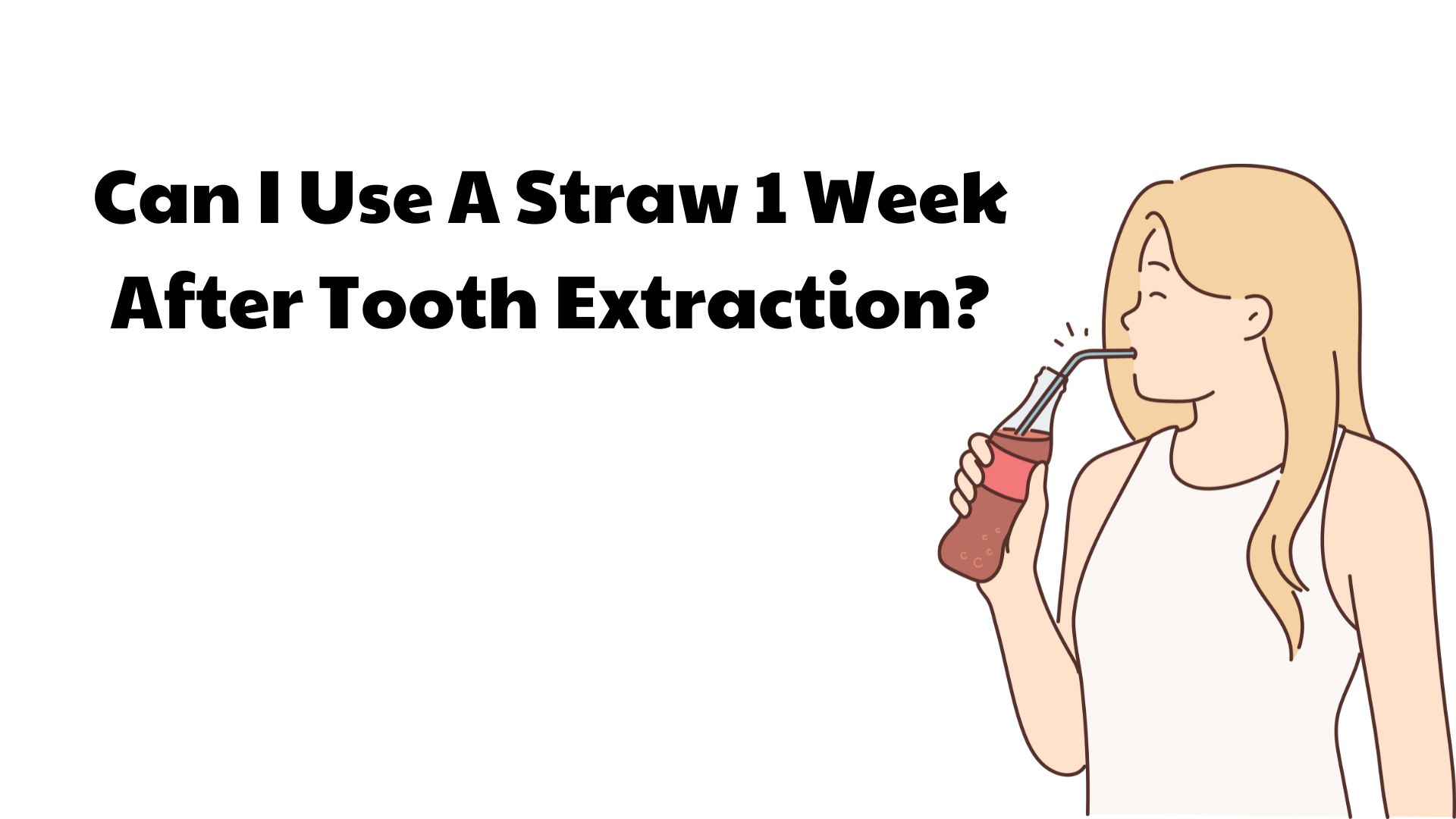
Tooth extraction is a common dental procedure, often necessary for various reasons ranging from severe decay to overcrowding. While the extraction itself can be a straightforward affair, the post-operative care often evokes a barrage of questions, particularly concerning lifestyle habits. One such inquiry that frequently arises is: “Can I use a straw one week after a tooth extraction?” This question transcends mere curiosity; it reflects a broader concern regarding the healing process and the potential complications that may arise during recovery.
The use of a straw might seem innocuous, a mundane act of sipping beverages through a simple cylindrical device. Yet, in the context of post-extraction care, it embodies a complex interplay of oral health factors. When a tooth is removed, a socket is left in the jawbone, and this space is vulnerable to various risks, particularly the development of a condition known as dry socket. Understanding the implications of using a straw after an extraction necessitates a closer examination of the healing process and the physiological mechanisms at play.
Upon extraction, the body commences a natural healing process. Initially, a clot forms in the empty socket as part of the body’s defense mechanism. This clot plays a pivotal role; it protects nerve endings and bones while also serving as a foundation for new tissue growth. The concern with using a straw arises from the potential disruption to this clot. When a straw is employed, the act of suction can create negative pressure in the mouth, which may dislodge the clot and lead to complications such as dry socket. This condition is characterized by intense pain and delayed healing, prompting further treatment from dental professionals.
Given the critical importance of that initial week following an extraction, the recommendation to avoid straws is primarily rooted in caution. Dentists typically advise against using a straw during the first 24 to 72 hours post-extraction, as this period is the most crucial for ensuring the formation and stability of the clot. However, the question remains: is it safe to use a straw one week post-extraction?
By the time a week has elapsed, the socket may have transitioned into a different phase of healing. In many cases, the risk of experiencing dry socket decreases significantly within this timeframe. Nevertheless, individual healing processes vary widely, influenced by factors such as the location and complexity of the extraction, the patient’s overall health, and adherence to post-operative care instructions. Therefore, while some individuals may find it acceptable to use a straw after a week, others may still be at risk depending on their unique circumstances.
Moreover, even after the critical healing period has passed, caution is still advised when using a straw. While it can be tempting to revert to normal habits, the mouth remains sensitive, and other factors such as food choices and oral hygiene play critical roles in the healing process. Engaging in behaviors that could disturb the area of extraction—be it through vigorous suction or the introduction of foreign substances—should be approached with discernment.
For those who are inclined to use a straw post-extraction, consider alternatives or modifications. For instance, rather than utilizing a traditional straw, sipping directly from a glass can reduce the risks associated with suction. Additionally, choosing soft foods and liquids that do not require sucking can help mitigate discomfort while promoting a smoother recovery. Another beneficial approach is to focus on hydration and nutrition; nourishing fluids such as smoothies or broths, consumed without a straw, can both satisfy nutritional needs and maintain hydration levels.
Ultimately, the decision to use a straw one week after tooth extraction should be informed by both personal healing progress and professional advice. Engaging in ongoing communication with a dental professional can provide clarity and guidance tailored to individual recovery trajectories. Regular dental follow-ups, especially within the first few weeks post-extraction, serve not just to monitor healing but also to address any concerns that may arise.
In conclusion, the act of using a straw may seem like a trivial pursuit, but it reveals much about our understanding of oral health and the intricacies of recovery. Awareness of the factors involved in healing after tooth extraction can enhance one’s post-operative experience and ensure optimal results. Caution is key, and vigilance regarding oral habits is paramount. As you navigate your recovery, remember the importance of listening to your body and consulting with your dental professional as needed. While straws may beckon, your health and well-being should always take precedence in the journey toward recovery.






Leave a Comment