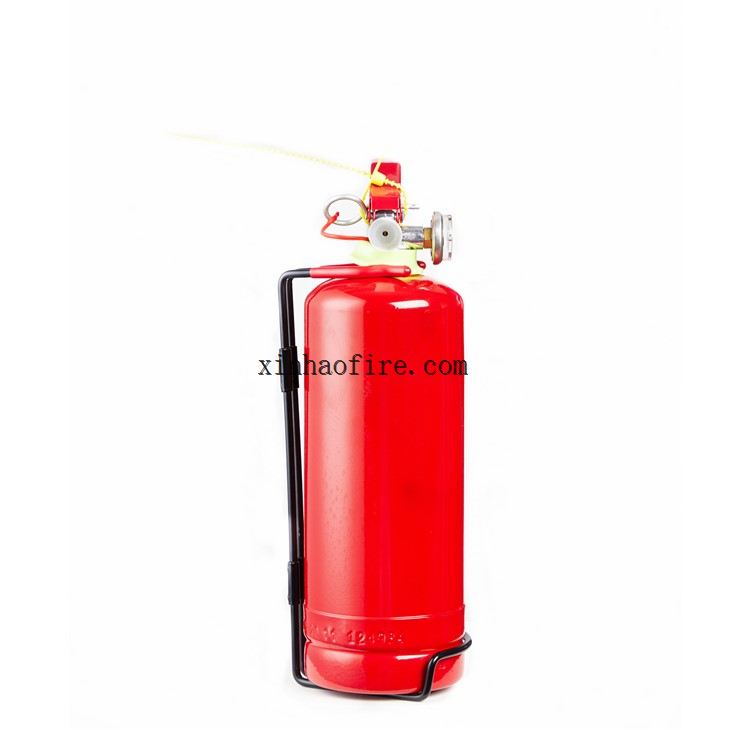
When was the last time you considered the tools at your disposal to combat fire hazards? Chances are, the sleek but unassuming dry chemical fire extinguisher may not have crossed your mind. Yet, in an ever-evolving world fraught with the potential for fire disasters, understanding the intricacies of this vital safety device could present a significant challenge. How much do you really know about dry chemical fire extinguishers, their utility, and their proper usage? Let’s dive into the essential aspects of this indispensable firefighting tool.
What is a Dry Chemical Fire Extinguisher?
To begin with, a dry chemical fire extinguisher is a portable device specifically designed to extinguish various types of fires through a unique chemical reaction. It discharges a powder that interrupts the chemical reaction taking place in a fire. The primary agents used in these extinguishers include monoammonium phosphate, sodium bicarbonate, and potassium bicarbonate. Each component plays a pivotal role in combating flames, enabling rapid suppression in emergencies.
Types of Dry Chemical Fire Extinguishers
Not all dry chemical extinguishers are created equal. They come in several classifications, each tailored to extinguish specific types of fires:
- ABC Extinguishers: These versatile extinguishers utilize monoammonium phosphate, making them effective against Class A (ordinary combustibles), Class B (flammable liquids), and Class C (electrical) fires.
- BC Extinguishers: Comprising sodium bicarbonate or potassium bicarbonate, these extinguishers are primarily effective against Class B and C fires, rendering them suitable for kitchens or garages.
- D Extinguishers: Used for flammable metal fires, these specialized extinguishers contain agents like sodium chloride or graphite powder, designed to smother metals that react with water.
Understanding Fire Classifications
To navigate the complexities of fire safety, it’s crucial to grasp the different classes of fire, as this directly influences which extinguisher to deploy:
- Class A: Fires fueled by ordinary solid materials, such as wood, paper, or fabric.
- Class B: Fires involving flammable liquids, gases, and greases.
- Class C: Fires that involve electrical equipment.
- Class D: Fires caused by combustible metals.
How to Use a Dry Chemical Fire Extinguisher
Using a dry chemical fire extinguisher effectively can be simplified into the acronym PASS:
- P – Pull: Remove the safety pin at the top of the extinguisher.
- A – Aim: Stand about six to eight feet away from the fire, aiming the nozzle at the base of the flames.
- S – Squeeze: Squeeze the handle to release the extinguishing agent.
- S – Sweep: Sweep the nozzle from side to side, covering the entire fire until it’s extinguished.
Maintaining Your Extinguisher
Are you aware that regular maintenance of your dry chemical fire extinguisher is crucial for its efficacy? It’s a challenge many overlook. Here are some maintenance guidelines to ensure it remains operational:
- Check Pressure: Regularly inspect the pressure gauge and ensure the needle is in the green zone.
- Inspect for Damage: Look for any signs of wear, corrosion, or physical damage, which can compromise the extinguisher’s performance.
- Annual Servicing: Schedule an annual inspection by a qualified technician to ensure all components are functional and effective.
- Replace After Use: Any extinguisher that has been discharged, even partially, should be recharged or replaced immediately.
Common Applications of Dry Chemical Extinguishers
Understanding where to deploy these extinguishers can significantly influence safety protocols:
- Residential Areas: Kitchens and garages are prime locations given the prevalence of Class B and electrical fires.
- Commercial Spaces: Factories, workshops, and any locale housing flammable materials should have multiple extinguishers on hand.
- Vehicles: Keeping a portable extinguisher in your car adds a layer of safety for unforeseen automotive fires.
Limitations of Dry Chemical Fire Extinguishers
Despite their versatility, these extinguishers come with notable limitations. Unlike water extinguishers, dry chemicals can leave a residual mess that might be hazardous for sensitive machinery. Additionally, they are ineffective against Class D fires, emphasizing the need for appropriate extinguishing agents on hand.
Conclusion
In traversing the intricate landscape of fire safety, dry chemical fire extinguishers stand out as paramount allies. Equipped with the knowledge of their functionality, proper usage, and maintenance, you can navigate potential fire threats with confidence. Have you conducted a fire safety audit in your living or working spaces recently? Doing so is not just a precaution—it’s a crucial endeavor towards safeguarding lives and property. Embrace the responsibility of fire safety, and let the dry chemical fire extinguisher be your trusted companion in this venture.









Leave a Comment