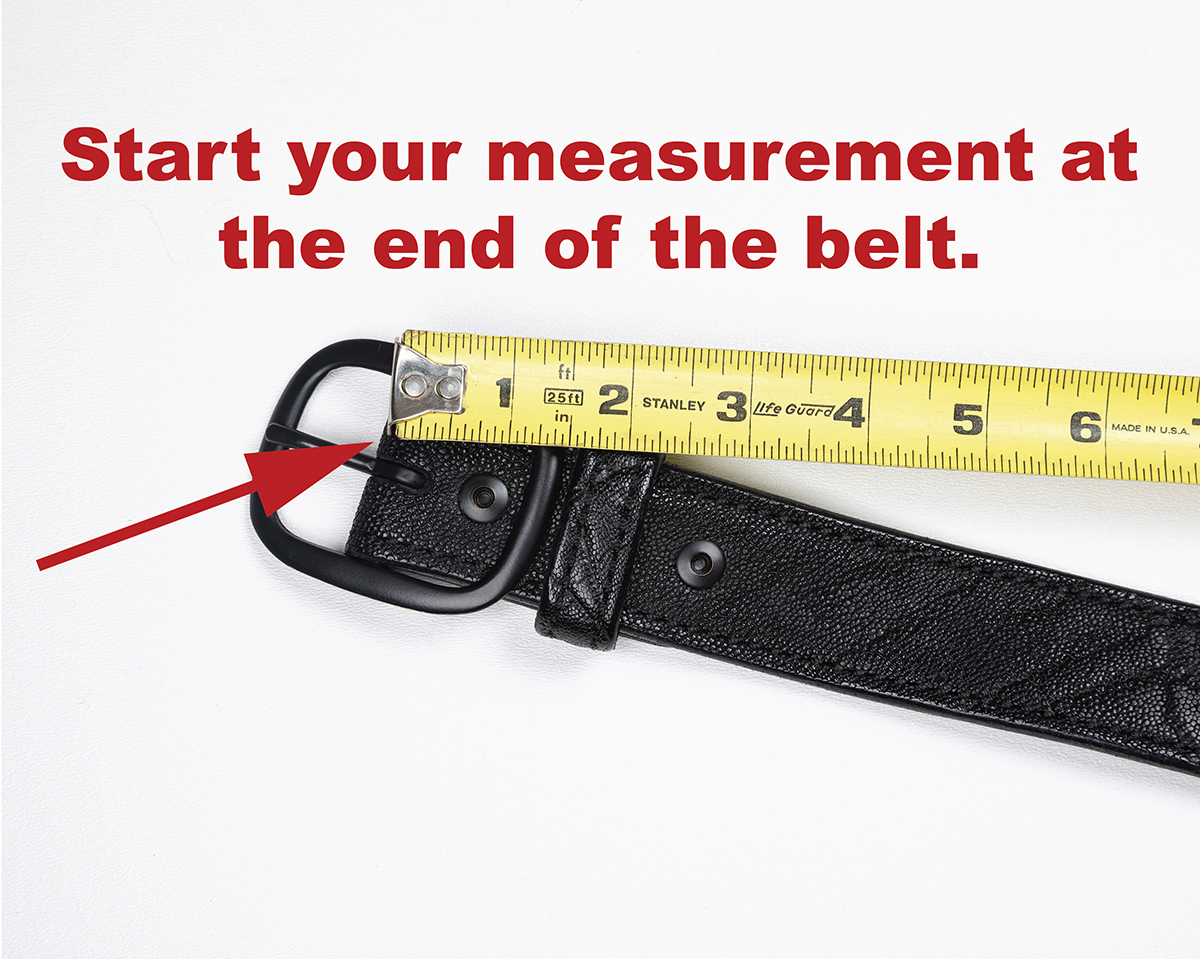
When was the last time you glanced down at your waist and wondered if your belt was truly the right fit? Finding the perfect belt can often feel like an elusive quest, similar to searching for that elusive sock that seems to vanish in the laundry. Yet, the challenge of measuring for a belt is crucial. In a world where fashion and functionality collide, understanding how to properly gauge your waistline can save you from an uncomfortable fit. Let’s embark on a journey through the art of measuring for a belt, ensuring you strike the perfect balance between style and comfort.
1. The Importance of Proper Measurement
Before delving into the practicalities, it’s vital to appreciate the importance of accurate measurement. Wearing a belt that is too loose may lead to slippage, while one that is excessively tight can constrict movement—neither scenario is ideal. Moreover, a well-fitted belt augments your outfit, projecting confidence and attention to detail. Hence, let’s refine our measuring technique to achieve that perfect fit.
2. Gather Your Tools
To embark on your measuring mission, you’ll need a few basic tools: a flexible measuring tape, a notepad, and a pen. If you lack a measuring tape, a piece of string can serve as an adequate substitute, albeit you might need a standard ruler for the calculations. With these instruments at hand, you’re equipped to master the measuring process.
3. Choose the Right Position
Your posture plays a pivotal role in obtaining accurate measurements. Stand upright with a relaxed stance, allowing the natural contours of your body to guide the tape. Ensure that your arms hang loosely at your sides, and breathe normally. The goal is to capture your waist’s genuine circumference rather than an artificially altered version.
4. Identifying Your Waistline
Where precisely do you measure? The waist is often misidentified; rather than the area just above the hips or below the ribs, locate the spot where your torso naturally narrows. This is typically above your belly button and around your side ribs. An alternative method involves finding your natural waist by bending side to side— the crease that forms can serve as a guiding line.
5. Measuring Technique
Wrap the measuring tape snugly around your waistline, ensuring it remains parallel to the floor. Avoid pulling too tightly; the tape should sit comfortably against your skin without pinching. Note the measurement where the tape overlaps—this is your waist circumference. If using a string, mark the point where it overlaps, then lay it flat against a ruler to determine the length.
6. The Right Belt Size
With the measurement in hand, the next step is converting that number into the appropriate belt size. Generally, a belt size is about 1-2 inches larger than your measured waist size, depending on personal preference and belt style. For example, if your waist measures 34 inches, a belt in the range of 36 to 38 inches will usually suffice. However, always consult the specific brand’s sizing chart as variations might exist.
7. Consider the Belt Style
Not all belts are created equal. The style of belt you choose can influence the measurement. A formal leather belt traditionally has a different fit compared to a casual fabric belt. Width can also impact the perceived fit; wider belts may require slightly different sizing. Thus, factor in the intended use of the belt when selecting the correct size.
8. Trying Before Buying
When possible, trying on the belt before purchase is always advisable. Buckle the belt and ensure it fits comfortably in the middle hole. Ideally, the belt should offer some versatility for adjustability along the belt holes. A perfect fit should have ample room for movement—allowing you to sit, stand, or even dance without feeling restricted.
9. Review and Recheck
It’s wise to measure twice to ensure that your initial measurement is accurate. Mistakes can happen, and a few extra moments devoted to rechecking can save you from the inconvenience of a return or an ill-fitting accessory. Don’t rush; accurate measurements are fundamental to a satisfactory fit.
10. The Final Fitting
Once you’ve acquired your belt, the final test is how it feels when worn. Put on your preferred outfit and buckle up! Does it sit correctly on your hips? Is there adequate space to slip a finger between the belt and your body without it falling off? If everything aligns, you’ve succeeded in your endeavor.
In conclusion, embarking on the quest to find the right belt does not have to become a daunting challenge. By carefully measuring, understanding sizing conventions, and considering style variations, you can elevate your wardrobe with an accessory that not only serves functionality but also accentuates your individuality. Whether dressing for work or a night out, the right belt can undoubtedly make all the difference. So, go ahead—measure your waist, seize that perfect belt, and step out with confidence!








Leave a Comment