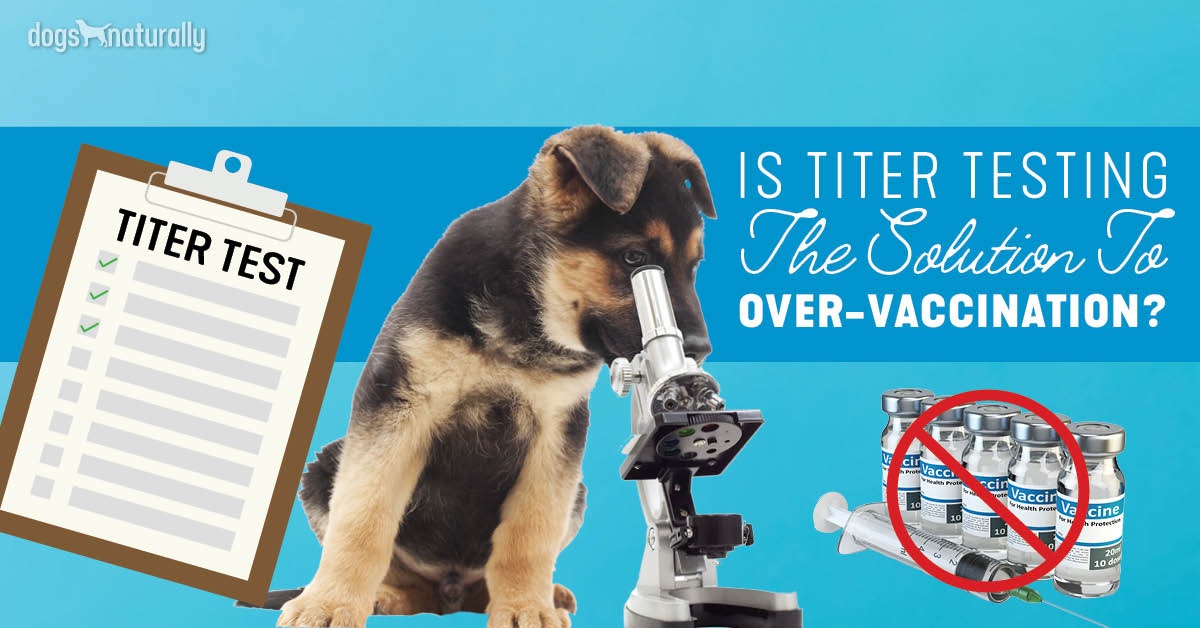
The health of our canine companions often depends on timely vaccinations and effective preventative care. However, as with any medical intervention, there comes a point where understanding what is being administered, how it affects our pets, and whether it is necessary is crucial. This is where the titer test comes into play. A titer test serves as an invaluable evaluation tool that quantifies the levels of antibodies in a dog’s bloodstream, providing a far more nuanced understanding of their immune response than traditional vaccination schedules alone.
1. Understanding Titer Testing
Titer tests are serological assays that measure the level of specific antibodies, often denoting the presence of protection against various pathogens. In the context of canine health, titer tests generally assess immunity to core diseases, including canine distemper, parvovirus, and hepatitis. These tests allow veterinarians to determine whether a dog possesses adequate immunity, thus informing decisions regarding the necessity and timing of booster vaccinations.
2. The Rationale Behind Titer Testing
Conventional vaccination protocols involve administering vaccines at specific intervals regardless of a dog’s existing immunity. This one-size-fits-all approach can lead to unnecessary vaccinations, which may result in adverse reactions. Titer testing provides a tailored solution, ensuring that a dog only receives vaccinations when absolutely necessary. This not only minimizes the risk of side effects but also reduces stress for both the pet and the owner.
3. Types of Titer Tests
Titer tests can vary significantly based on the diseases they address. Common tests include:
- Canine Distemper Virus (CDV) – Measures immunity to a highly contagious and often deadly virus that affects the respiratory, gastrointestinal, and central nervous systems.
- Canine Parvovirus (CPV) – Assesses the immunity to a severe viral infection that can lead to life-threatening gastrointestinal distress.
- Canine Adenovirus (CAV) – Evaluates protection against infectious canine hepatitis, which can affect the liver, kidneys, and eyes.
- Leptospirosis – Focuses on antibodies to a bacterial infection that can cause serious organ damage and is transmissible to humans.
- Rabies – Although rabies vaccinations are often required by law, specific titer tests can confirm adequate immunity for dogs who may not need regular boosters.
4. How Titer Tests are Conducted
Conducting a titer test involves drawing a blood sample from the dog, usually through venipuncture. This sample is then analyzed in a laboratory, where skilled technicians use various immunoassay techniques to quantify antibody levels. The results typically take a few days to process and can be straightforwardly interpreted by a veterinarian to determine whether or not a dog is protected against certain diseases.
5. Interpreting Titer Test Results
Understanding the results of a titer test is paramount. A high antibody titer indicates sufficient immunity, while a low or absent titer suggests that the dog may require a booster vaccination. However, it is crucial to have a qualified veterinarian interpret these results, as various factors—such as the dog’s age, health status, and vaccination history—can influence the interpretation.
6. Advantages of Titer Testing
The benefits of titer testing are manifold:
- Personalized Care: Tailoring vaccinations based on immune response can significantly improve a dog’s overall health strategy.
- Reduced Risk: By avoiding unnecessary vaccinations, the risk of potential side effects and adverse reactions is minimized.
- Cost-Effective: Although the initial cost of titer testing may be higher than additional vaccinations, it can save money in the long run by reducing the number of unnecessary boosters.
- Immunological Insight: Titer tests provide valuable insights into a dog’s health status and immune response, allowing for more informed decisions regarding their care.
7. Considerations and Limitations
While titer testing offers numerous benefits, it is not without limitations. Results can sometimes be inconclusive or vary due to factors such as recent vaccinations or inherent variations in immune response. Additionally, not all veterinarians may utilize titer testing as a routine part of care. Pet owners must be proactive in discussing this option with their veterinarians.
8. The Future of Titer Testing in Veterinary Medicine
As veterinary medicine continues to evolve, the role of titer testing is likely to grow. With advances in immunology and diagnostics, it holds the promise of enhancing personalized veterinary care. Continued research and awareness may pave the way for broader acceptance of titer testing as a standard practice, empowering pet owners to make informed choices that promote the health and well-being of their furry companions.
Conclusion
The titer test represents a significant leap forward in canine healthcare, prioritizing the individual immune responses of dogs over generalized vaccination schedules. By providing a personalized approach to vaccinations, titer testing not only ensures that dogs receive the protection they need but does so in a way that also considers their wellbeing. As awareness about these tests grows, pet owners are empowered to make informed decisions regarding their dog’s healthcare, ensuring a happy, healthy life alongside their beloved companions.











Leave a Comment