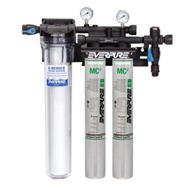
In the world of hospitality, food service, and even at home, the purity of ice is paramount. Ice is not merely a cooling medium; it’s an extension of the beverages it accompanies. This realm of ice production brings us to an often-overlooked yet crucial component—the water filtration system for ice machines. Before diving into the intricate details, one must first understand that a well-designed filtration system promises more than just clean ice; it ensures an impeccable drinking experience, enhances health safety, and prolongs the lifespan of the equipment itself.
Ice machine water filtration systems have garnered attention and admiration for their ability to elevate the quality of ice production. Water quality directly impacts both the flavor and clarity of ice, leading to a more satisfying experience for patrons. This article explores various facets of ice machine water filtration systems, from their fundamental types and functions to installation considerations and maintenance tips. Each facet promises to reshape your understanding of ice production, unveiling the potential for a cleaner, clearer, and ultimately better ice experience.
1. The Importance of Water Quality
Water quality cannot be overstated when it comes to ice production. Tap water often harbors impurities such as sediment, chlorine, and minerals, which can impart off-flavors and brownish tints to ice cubes. Without proper filtration, these contaminants can lead to poor-quality ice that detracts from beverages. Beyond aesthetics, the presence of certain impurities can pose health risks, making an effective filtration system not just a luxury but a necessity.
2. Types of Filtration Systems
Ice machine water filtration systems vary widely. Understanding the distinctions between them can profoundly influence the quality of ice produced. Here are the primary types:
- Carbon Filters: These are ubiquitous in water filtration. They excel at eliminating chlorine, sediment, and various volatile organic compounds (VOCs), which can dramatically alter the taste and smell of water. As such, they are invaluable for improving the flavor of ice.
- Reverse Osmosis (RO) Systems: Renowned for their thoroughness, RO systems remove an extensive array of contaminants, including heavy metals and pathogens. This advanced methodology produces exceptionally pure water, ideal for establishments that prioritize premium ice.
- UV Purification: Adding a layer of sophistication, UV systems employ ultraviolet light to neutralize bacteria and viruses. While they don’t filter out physical contaminants, they ensure microbial safety—a crucial consideration in food service environments.
- Descaling Systems: Over time, mineral buildup can impede ice machines’ efficient operation. Descaling systems proactively address this issue by preventing scale buildup, extending the lifespan of the appliances and ensuring consistent ice production.
3. Installation Considerations
Once the appropriate filtration system is identified, the next significant consideration is installation. A well-executed installation can dramatically impact the efficiency and effectiveness of the filtration system:
- Location: Positioning the filtration unit close to the ice machine minimizes water travel, ensuring a consistent flow of filtered water. However, humidity levels and access to power sources must also be factors.
- Pipe Configuration: Proper plumbing is essential. Incorrect pipe size or layout can hinder water flow, causing pressure drops that could compromise filtration effectiveness.
- Compatibility: Always verify that the chosen system is compatible with the specific make and model of the ice machine. Some systems require special fittings or specific brands of ice machines to function optimally.
4. Maintenance and Care
Post-installation, maintaining the filter system is pivotal. Neglecting maintenance can render even the most advanced filtration systems ineffective:
- Regular Filter Changes: Adhere to the manufacturer’s recommended schedule for changing filters. Over time, filters reach their capacity, and using them past this point can lead to reduced water quality.
- Periodic Inspections: Conduct routine inspections for leaks, clogs, or any signs of wear. Addressing issues promptly can prevent more severe complications later.
- Sanitization: Regularly sanitize both the ice machine and the filtration system to prevent microbial growth that could lead to health hazards.
5. Economic Benefits
Investing in a water filtration system can initially seem daunting in terms of cost. However, the potential savings and benefits are noteworthy:
- Reduced Equipment Wear: Clean water leads to fewer clogs and less scale, reducing the frequency of repairs and replacements.
- Improved Ice Production: Enhanced filtration translates to clearer and purer ice, which can attract discerning customers willing to pay premium prices.
- Health Compliance: A reliable filtration system ensures adherence to health regulations, saving potential fines and maintaining a positive reputation.
Conclusion
In the competitive landscape of food service and hospitality, every detail counts. Ice machine water filtration systems serve as the unsung heroes in the quest for exquisitely pure ice. They shape the flavor profiles of beverages, ensure health safety, and enhance the longevity and efficiency of ice-making equipment. By investing in an appropriate filtration system, operators can transform their ice production process from mundane to exceptional. As you ponder the nuanced world of ice production, consider how these systems can redefine your experience—creating an alluring shift in perspective that promises unparalleled satisfaction with every sip.










Leave a Comment