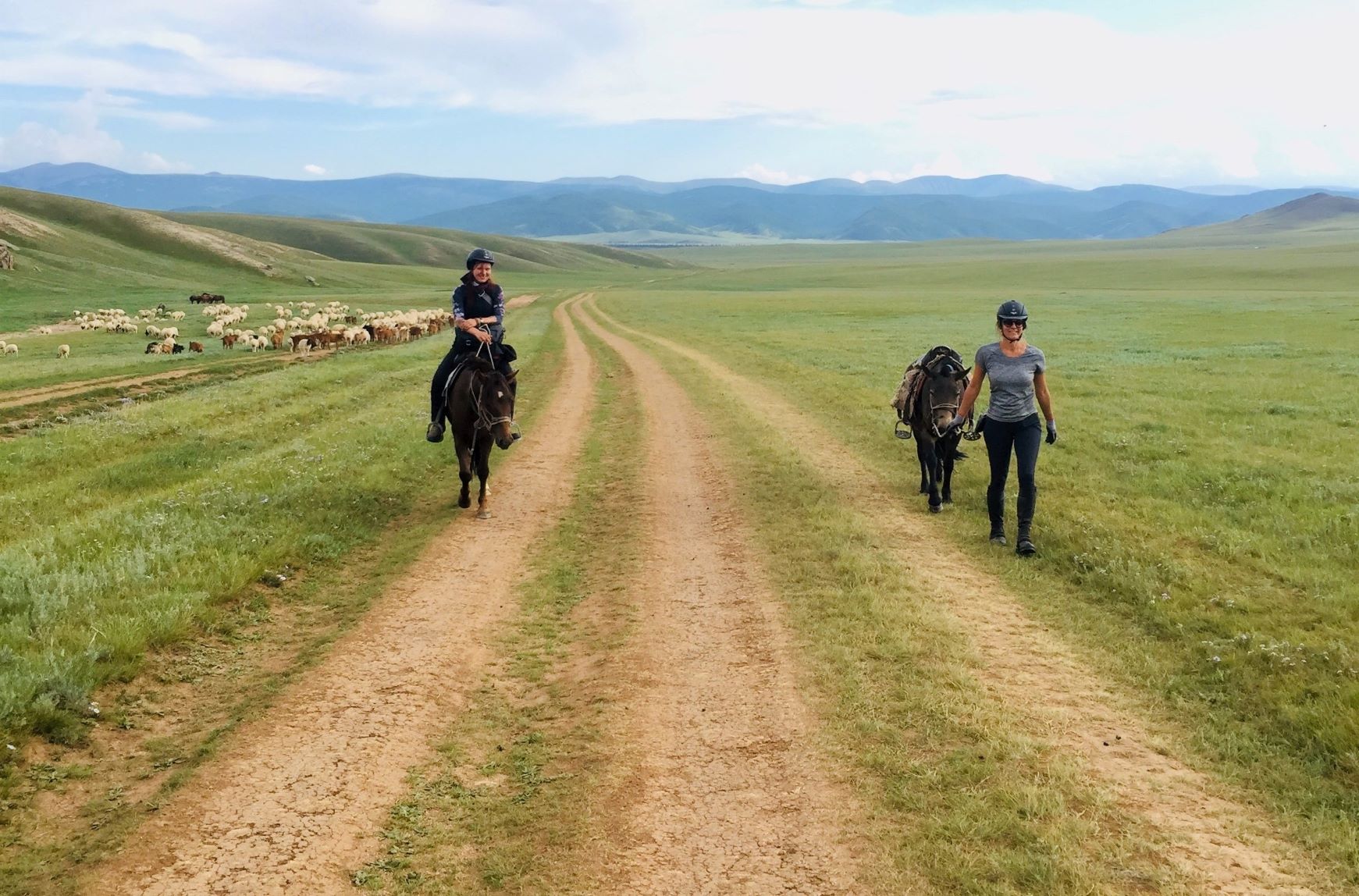
The vast steppes of Mongolia are steeped in a legacy that intertwines the rhythms of the land and the extraordinary bond between humans and horses. Horse riding in Mongolia transcends mere transportation; it is an art form, a tradition, and a cornerstone of cultural identity that has been honed over centuries. Oftentimes, when we envision horseback riding, we adopt a Western perspective, perhaps picturing an English saddle or the disciplined posture of English-style riding. However, the Mongol approach to horse riding is replete with unique nuances that arrest the imagination and invite deeper understanding. This article seeks to explore the intricacies of Mongol horse riding form, encouraging a shift in perspective that celebrates this age-old practice.
1. The Historical Context of Hunting and Warfare
Mongolian horse riding techniques were not arbitrarily devised; they emerged from a necessity born of survival. The nomadic lifestyle required not just mobility but agility in the face of harsh terrain and shifting weather conditions. With a heritage that includes formidable conquerors like Genghis Khan, horse riding became essential for hunting and warfare. The Mongol warrior’s ability to shoot arrows with uncanny accuracy from the back of a galloping steed is a testament to a deep-rooted legacy, blending utility with form.
2. The Unique Mongol Saddle
A significant aspect of the Mongol riding experience is the traditional saddle, known for its distinctive design. Unlike Western saddles, which tend to place riders in a fixed position, the Mongolian saddle is broader and flatter, enabling greater freedom of movement. Riders can shift their weight effortlessly as they navigate the undulating terrain, facilitating an intimate connection with the horse. Spend just a few moments in the saddle, and you will understand why this design has endured through centuries of evolution.
3. Posture and Balance
Central to Mongolian riding is the mastery of posture. Unlike the rigid, upright position fostered in many Western riding disciplines, Mongolian riders adopt a more relaxed stance that allows them to maintain equilibrium while galloping. This involves bending the knees and placing the body slightly forward, enabling swift adjustments in weight distribution. Riders often claim that this fluidity drastically improves their ability to control the horse, especially when maneuvering around obstacles or during spirited chases.
4. The Role of Leg and Hand Aids
In contrast to the often subdued leg and rein aids utilized in Western riding, Mongolian techniques employ an almost instinctive understanding of communication between horse and rider. Riders utilize their legs extensively—pressing against the horse’s sides or nudging with their heels to signal direction. Rein pressure is minimal and gentle, cultivating an attunement that fosters trust and synergy. This communication reflects years of riding experience, wherein subtle cues become a second language.
5. The Influence of Cultural Values
Mongolian horse riding is inextricably linked to cultural ethos. Riders are taught not just the mechanics but also the respect due to these animals. The principles of compassion, gratitude, and understanding underpin the entire riding experience. This manifests in various rituals and practices, from gentle grooming sessions to spiritual offerings before a ride. Such values cultivate a profound connection between the rider and horse, enhancing performance and increasing trust.
6. Galloping Across the Steppe
Not all riding is created equal, and the sheer exhilaration of galloping across the steppes is a quintessential Mongolian experience. As riders advance their skills, they learn to harness the gallop, employing a combination of leg aids, body shifts, and saddle dynamics. The exhilarating speed and sense of freedom experienced during these runs seem to embody the spirit of the land itself. Nothing quite matches the feeling of blending into the vastness of Mongolia, riding harmoniously with the wind.
7. Competing in the Naadam Festival
The Naadam Festival, held annually, epitomizes the Mongolian approach to equestrianism. This celebration of traditional sports features horse racing as a central event. Races often cover long distances over rugged terrain, testing the endurance of both horse and rider. Young boys and girls often participate, showcasing riding skills they have inherited since childhood. The festival not only serves as a competition but also as a showcase of Mongolian horsemanship, fostering community pride and cultural continuity.
8. The Future of Tradition
Despite the encroachments of modernity, the essence of Mongolian horse riding perseveres. Contemporary riders and trainers are now blending traditional methods with new ideas, ensuring the practice remains vibrant and relevant in an ever-changing world. Initiatives that promote the preservation of equestrian traditions are gaining momentum, emphasizing the benefits of maintaining this unique cultural heritage.
Conclusion: A Journey Towards Understanding
Mongolian horse riding form is a profound tapestry woven from history, culture, and nature. The lessons learned from this ancient practice provide not just insights into equestrian techniques but also nugget-sized philosophies on life, respect, and harmony with the environment. Approaching horse riding from a Mongolian perspective invites us to rethink our connections with these magnificent creatures and the landscapes they traverse. Whether you are a seasoned equestrian or an inquisitive novice, the essence of Mongolian horse riding promises to shift your perspective and spark curiosity that transcends continents and cultures.






Leave a Comment