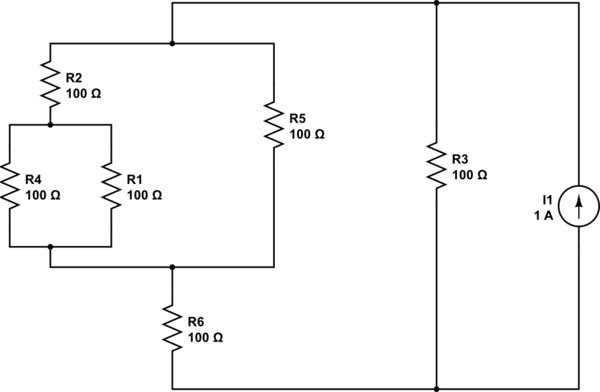
In the ever-evolving landscape of modern enterprises, the notion of “Current Division for 2 Branches” emerges as a captivating concept, promising a duality that invites transformation. This intriguing division encapsulates the dynamic interplay between two divergent yet interconnected branches within an organization, each with its own ethos and operational motifs. The shift in perspective that unfolds within this framework not only piques curiosity but also serves as a catalyst for innovation, eliciting a more profound understanding of organizational structure and function.
To embark on this exploration of Current Division, we must first delineate the underlying principles guiding such a dual framework. This article will traverse through its definition, operational nuances, strategic implications, and eventual benefits while beckoning a more insightful approach to organizational analysis.
1. Defining Current Division
The Current Division delineates how an organization can be bifurcated into two crucial branches. These branches can be categorized based on various parameters such as function, product lines, or geographical reach. By understanding this division, stakeholders can better navigate the complexities of their operational landscape. At its core, the Current Division fosters agile management and responsiveness, enabling branches to react swiftly to market fluctuations.
2. Operational Nuances
Delving deeper into the operational intricacies, each branch functions akin to a microcosm, with its unique set of goals and challenges. These branches, while autonomous, share an overarching vision aligned with the corporation’s strategic objectives. This synergy, however, necessitates a delicate balancing act. The operational nuances involve:
- Resource Allocation: Equitable distribution of resources ensures both branches operate effectively without overextension or redundancy.
- Communication Flow: Establishing robust lines of communication mitigates silos, fostering a collaborative environment that enhances productivity.
- Performance Metrics: Identifying key performance indicators pertinent to each branch offers insights into their respective contributions to the broader organizational goals.
3. Strategic Implications
The strategic implications of maintaining a Current Division for two branches are manifold. Firstly, this approach cultivates adaptability in the face of disruptions, allowing organizations to pivot when required. Furthermore, this divide can enhance specialization. By dedicating resources and focus to each branch, organizations can encourage innovation tailored to distinct market demands.
Moreover, the Current Division prompts the examination of competitive advantages. For instance, one branch may spearhead research and development to pioneer cutting-edge technologies, while the other concentrates on refining existing product lines for enhanced consumer satisfaction. This strategic compartmentalization engenders a nuanced approach to market approach, promoting both exploration and exploitation within the firm.
4. Navigating Challenges
However, the dualistic nature of Current Division is not devoid of challenges. Navigating these hurdles necessitates foresight and adaptability. Some potential challenges include:
- Cultural Divergence: Each branch may cultivate distinct organizational cultures, which can lead to friction if not harmonized properly.
- Conflicting Objectives: Divergent goals can sow discord, necessitating ongoing dialogue and alignment efforts.
- Resource Duplication: Careful monitoring is required to prevent overlaps in resource utilization, which can lead to inefficiencies.
Addressing these challenges can transform potential pitfalls into opportunities for growth. By fostering open dialogue and a collaborative spirit, organizations can transcend limitations, drawing strength from diverse perspectives.
5. Benefits of Current Division
Embracing the Current Division for two branches imparts several distinct advantages, which not only enhance organizational effectiveness but also instill a forward-looking ethos. The benefits include:
- Enhanced Agility: The bifurcation allows for nimble decision-making, crucial in rapidly evolving markets.
- Focused Innovation: Each branch can tailor its research and development endeavours to its specific market segment, optimizing creative output.
- Clearer Accountability: With defined roles, accountability grows more transparent, ensuring each branch is responsible for its outcomes.
- Broader Market Insight: The two branches can provide a panoramic view of market dynamics, facilitating informed strategic decision-making.
6. Future Perspectives
The Current Division framework invites organizations to project into the future, contemplating not merely how to exist but how to thrive in an unpredictable world. The dual branches serve as bastions of innovation, contrasting ideologies, and approaches to customer engagement. By continually assessing the intersection between the branches, organizations can remain responsive and anticipate market shifts before they occur.
Furthermore, as globalization and technology redefine the parameters of competition, the ability to adapt through a Current Division will only grow in significance. The interplay between the two branches encourages organizations to remain vigilant, learning from one another while embracing diverse approaches to problem-solving and customer interaction.
Conclusion
In summation, the concept of Current Division for two branches not only provokes thought but encapsulates a paradigm shift in organizational structure and strategy. The promise it offers is not merely one of compartmentalized operations but also a catalyst for enhanced innovation, accountability, and market responsiveness. By embracing this dualistic approach, organizations can not only meet the challenges of today but also chart a course towards a more luminous future.








Leave a Comment