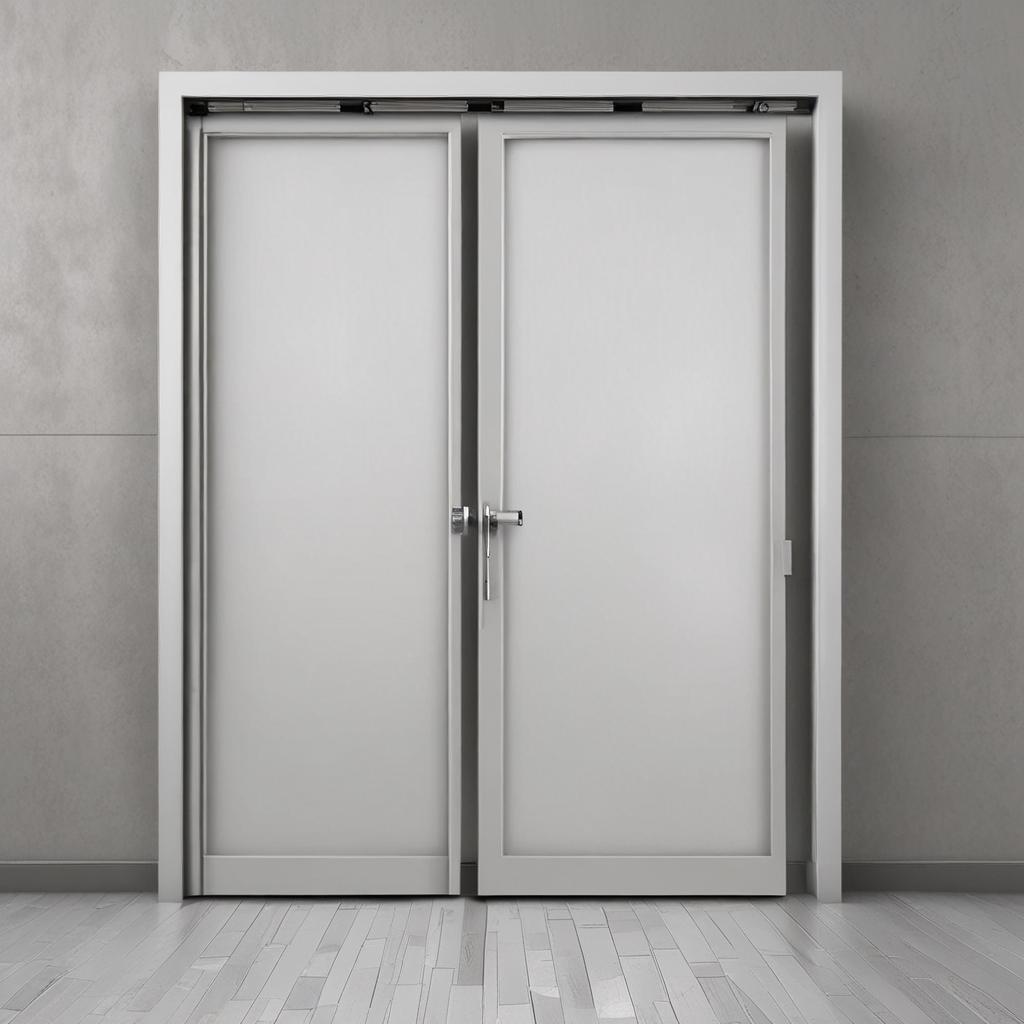
Sliding doors are an exquisite synthesis of functionality and elegance, offering unobtrusive access to various spaces while flooding interiors with natural light. Their seamless operation, however, can sometimes be hindered by wear and tear, necessitating their removal for repairs, replacements, or upgrades. While some may view the process as straightforward, delving deeper reveals a complexity that speaks volumes about our enduring fascination with the mechanics of our living environments. This guide elucidates the careful deconstruction of sliding doors, illuminating the steps, precautions, and tools necessary for a successful endeavor.
Understanding the Mechanisms
Before embarking on the removal process, it is paramount to comprehend the mechanics that underpin sliding doors. Typically composed of a frame, track, rollers, and the door panel itself, these components work in concert to afford a smooth gliding action. Often constructed from wood, aluminum, or vinyl, the material choice plays a crucial role in both functionality and aesthetic appeal.
Required Tools and Materials
Preparation is key. Ensure that you are armed with the right tools to facilitate the removal of the sliding door. The following items are essential:
- Screwdriver: A flathead or Philips screwdriver, depending on the type of screws in your installation.
- Utility Knife: Handy for cutting any caulk or sealant that’s adhered to the door frame.
- Pry Bar: Useful for gently prying the door from its track or frame.
- Wood Block: To stabilize and support the door panel during removal.
- Safety Gear: Safety goggles and gloves to protect against debris and sharp components.
Step-by-Step Removal Process
1. Prepare the Area
Begin by clearing the area surrounding the sliding door. Remove any furniture, decorative items, or obstructions that could hinder movement or risk damage during the removal process. Adequate space allows for better maneuverability and minimizes the risk of accidents.
2. Inspect the Door and Frame
Take a moment to carefully examine how your sliding door is affixed. Some doors may have visible screws on top or bottom tracks, while others could be secured by brackets or clips. Understanding the configuration is crucial before proceeding.
3. Remove Any Obstructions
Using a utility knife, gently cut through any caulk or sealant that adheres the door frame to the wall. This step ensures that the door is no longer bonded to the frame, allowing for easier removal.
4. Unscrew the Door from the Track
Utilizing your screwdriver, carefully unscrew any visible fasteners attaching the door to the upper track or frame. Take care to keep these screws in a designated spot; you’ll want to have them on hand for reinstallation if necessary.
5. Lift the Door from the Track
Once unscrewed, the key is to lift the door panel upward and then towards you to disengage it from the lower track. Depending on the weight and size of the panel, this may require the assistance of a friend. Use a wood block to balance one end of the door while lifting, ensuring that it doesn’t crash to the ground.
6. Remove the Lower Track (if applicable)
If you are replacing or repairing the entire sliding door system, you might consider removing the lower track as well. This typically involves unscrewing it from the floor and carefully prying it off, taking care to avoid damaging the surrounding surfaces.
7. Inspect the Rollers
With the door fully removed, take a moment to inspect the rollers and tracks for wear and tear or any obstructions. Cleaning or replacing these components can enhance the functionality of a newly installed door.
8. Clean the Area
Once the door and tracks are removed, it’s prudent to clean the area thoroughly. Clear away any debris or dust that may have accumulated over the years, setting the stage for a smooth reinstallation or new door setup.
Reinstallation Considerations
After successfully removing the sliding door, consider whether you wish to reinstall the same door, perhaps after refinishing it, or opt for a new door altogether. Regardless, ensure that every component, from tracks to rollers, is in optimal condition for seamless operation.
Final Thoughts
The ease or complexity of removing a sliding door ultimately depends on meticulous preparation and a comprehensive understanding of the underlying mechanisms. The act of disassembly itself is more than a mere mechanical task; it reflects a deeper connection we share with the spaces we inhabit, symbolizing our desire to rectify, improve, and enhance our living environments. Whether for repair or upgrade, this hands-on approach allows us to engage intimately with our home’s architecture, bridging the gap between mere utility and artistry.











Leave a Comment