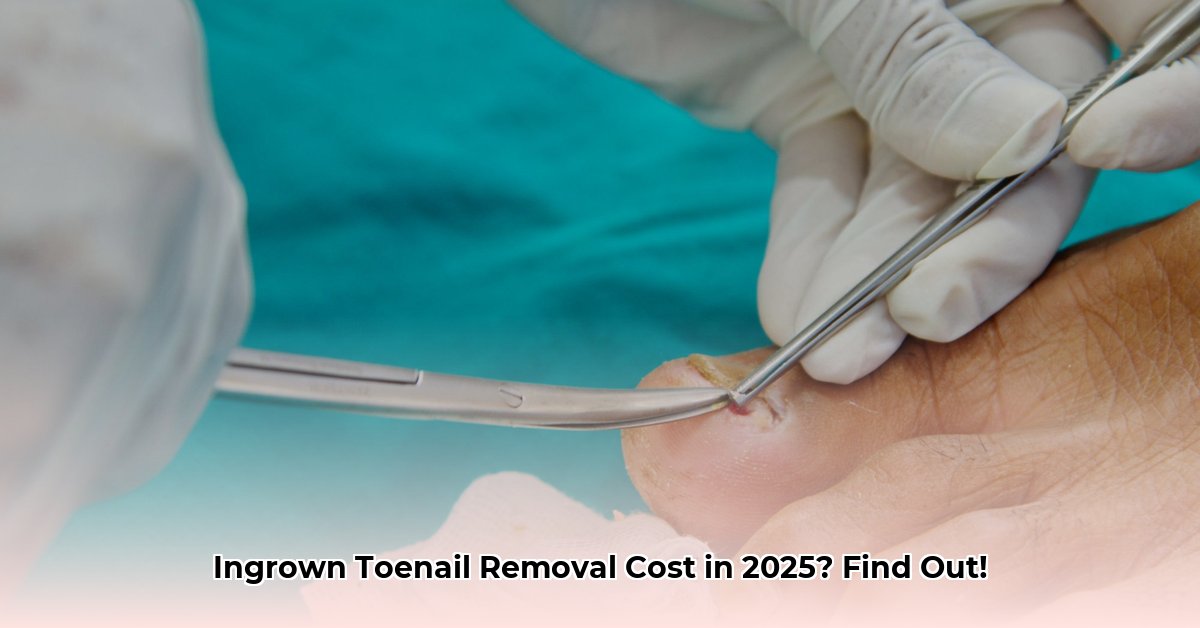
Ingrown nails, while seemingly a trivial ailment, can evoke considerable discomfort, often masquerading as something less significant than it really is. An ingrown nail occurs when the edge of a nail, commonly on the toes, grows into the surrounding skin. This condition can lead to pain, inflammation, and even infection. However, alleviating this affliction comes at a cost, and understanding those expenses can provide clarity and confidence when facing this prevalent issue.
In this exploration, we will dissect the various factors influencing the cost of removing an ingrown nail, from initial consultations to potential surgical procedures, and the aftermath of treatment. Such knowledge can empower you, transforming a scary medical endeavor into a manageable and informed decision.
1. Initial Consultation: Setting the Stage
The journey toward relief often begins with an initial consultation with a podiatrist or dermatologist. This meeting serves not just as a valuable diagnostic tool but also as a way to formulate a personalized treatment plan. Typically, consultation fees can range from $50 to $200, depending on the provider’s expertise and geographic location. During this visit, the healthcare professional will assess the severity of the ingrown nail, look for signs of infection, and discuss options for removal.
It’s beneficial to view this expense as an investment in your foot health. The consultation sets the foundation for a comprehensive treatment plan, addressing not only the immediate issue but also long-term prevention strategies.
2. Treatment Options: Diverse Paths to Resolution
Based on the severity of the ingrown nail, several treatment options may be recommended. These can be broken down into conservative and surgical categories.
Conservative Treatments: For many, relief can be found through non-surgical methods. These options may include:
- Soaking and Proper Nail Care: Regularly soaking the affected toe in warm, soapy water can help alleviate discomfort. Over-the-counter pain relievers may also be recommended. This approach generally incurs minimal costs, primarily for supplies, usually under $25.
- Antibiotics: In cases where infection has set in, a doctor may prescribe antibiotics. The cost can vary widely, from $10 to $100, depending on the medication. It is imperative to follow this course of treatment diligently to prevent further complications.
- Padding and Toe Correctors: These devices help relieve pressure on the affected area. They typically range from $5 to $30, offering a budget-friendly relief method.
Surgical Treatments: When conservative measures fall short, surgical intervention may be warranted. This could include:
- Nail Wedge Resection: This procedure entails removing a portion of the ingrown nail, usually performed under local anesthesia. The costs for this surgery can range from $150 to $700, significantly influenced by the complexity of the case and the physician’s location.
- Partial or Total Nail Avulsion: In more severe cases, the entire nail may need removal. Prices typically vary from $300 to over $1,000, particularly if performed in a surgical center. This option not only addresses the ingrown nail but also aims to prevent recurrence.
The cost of surgical treatments can seem daunting at first glance, yet it is vital to consider the long-term benefits. Alleviating the pain and potential infection risk may outweigh the financial investment required.
3. Post-Operative Care: The Unsung Hero of Healing
The expenses associated with treating an ingrown nail do not end with the procedure itself. Post-operative care and follow-up appointments are crucial to ensuring proper healing. Recovery can include:
- Follow-Up Visits: Schedule a follow-up appointment to ensure proper healing and prevent complications. These usually range from $50 to $200.
- Dressing Supplies: Post-surgical care often requires specialized dressings or topical treatments, costing an additional $20 to $50. Investing in high-quality materials can expedite healing.
Moreover, factors such as the type of insurance you possess can greatly affect your out-of-pocket expenses. Understanding your policy will arm you with the necessary information to minimize unexpectedly high costs.
4. Long-Term Financial Implications: Beyond Immediate Costs
Although it’s easy to focus on the acute costs associated with removing an ingrown nail, consider the broader implications. Recurrent issues can lead to repeated treatments, escalating the overall financial burden. Investing in preventive measures such as proper nail care, suitable footwear, and regular check-ups can reduce the likelihood of encountering this painful problem again.
Furthermore, learning about foot health— including choosing the right shoes, understanding nail trimming techniques, and recognizing the signs of potential nail troubles—can commence a journey towards lifelong foot health.
Conclusion: Embracing Knowledge for Empowered Decisions
The cost to remove an ingrown nail can vary significantly based on numerous factors, including the treatment approach, geographical location, and depth of healthcare needs. By comprehending these variables, you can approach the decision with confidence. Rather than viewing the financial implications as merely costs, frame them as investments in your wellbeing. Knowledge proves to be a powerful ally as you nurture your feet and embrace a future free from the pain of ingrown nails. With the right information, you can make informed and empowering choices that pave the way for better health.








Leave a Comment