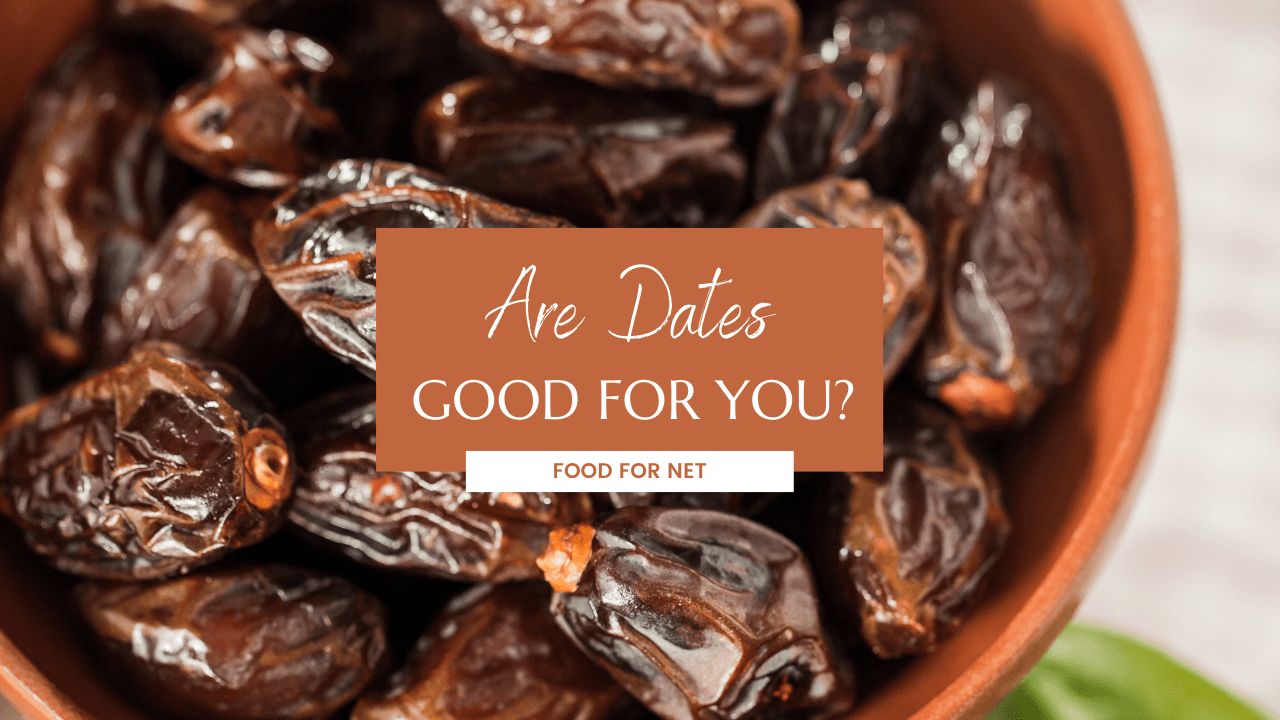
In the vast cosmos of culinary delights, dates are a hidden treasure, reflecting the golden hues of a desert sunset. With their intricate flavors and chewy texture, they radiate warmth and richness. But like all good things, they have a lifespan. Understanding how long dates are good for reveals a fascinating story of preservation, flavor, and health. This exploration not only enhances our appreciation for this delightful fruit but also guides us in making informed choices in the kitchen.
### The Lifecycle of Dates
Dates, derived from the date palm and known scientifically as *Phoenix dactylifera*, undergo various stages from harvest to consumption. Upon their arrival at the market, they present themselves as succulent jewels, yet their longevity hinges on several factors.
Fresh dates, often harvested in late summer and early fall, boast a wilting sweetness that can be intoxicating. Their plumpness and inherent moisture provide not just a delightful taste but also a brief shelf life. In stark contrast, dried dates—those hardy little wonders—can keep for several months, sometimes even years, when stored properly.
Thus, the first lesson emerges: understanding the date’s type is crucial. Essentially, fresh dates last around 1 to 2 weeks when kept at room temperature; however, if refrigerated, they can extend to several weeks or even a month. Dried dates, on the other hand, can last anywhere from 6 months to a year due to their reduced moisture content. It’s like comparing a fleeting summer romance to a steadfast old friendship; both have their charms, but their duration varies.
### Storage: Keepers of Flavor
Proper storage is the gatekeeper to the date’s longevity. Much like protecting a delicate secret, how one keeps dates determines their fate. For fresh dates, a snug fit in a paper bag at room temperature could suffice, though refrigeration often enhances their sustenance.
Dried dates, while resilient, thrive best in a cool, dark, and dry environment. An airtight container is ideal—like cloistering treasures within a vault, shielded from moisture and air that could accelerate spoilage. Under optimal conditions, dried dates can remain palatable for over a year, allowing you to stock up for spontaneous snacks or baking endeavors.
It’s important to remain vigilant, however; even dried dates can develop signs of deterioration. If they emit an off-putting odor or develop an unsightly appearance—a harbinger of their demise—it’s time to say goodbye.
### The Perils of the Expiration Date
One must tread carefully around the expiration date label often found on date packages—a vague oracle, if you will. This date should be thought of as a suggestion rather than a decree. Dates may still retain their edibility well beyond their expiration date if preserved adequately, much like a good book that remains timeless despite age.
The magic lies in knowing how to test their quality. A simple tactile examination can unveil much. Fresh dates should feel soft yet firm, with a slight stickiness. Dried dates should be pliable, not hard, while any signs of shriveling or mold signal an inevitable farewell. The taste test, too, is a delightful reality check. If they still tantalize your taste buds, they are likely still good—though caution should always be exercised.
### The Nutritional Bounty
Beyond their shelf life, the nutritional content of dates offers yet another reason to cherish these fruits. Bursting with fiber, vitamins, and minerals, they emerge as nature’s candy—sweet but with an impressive nutritional profile. Whether consumed dried or fresh, dates provide an array of health benefits that invite inclusion in a balanced diet.
Fresh dates are a powerhouse of antioxidants—they combat free radicals, enhancing our well-being with every bite. Dried dates, with their concentrated sweetness, can serve as a natural energy booster. As such, they have found their niche in pre-workout snacks and healthy treats, adding to their appeal in both casual and health-conscious kitchens.
This nutritional advantage is a significant reason to keep dates on your pantry shelf, all while being mindful of their preservation and storage requirements to fully enjoy their quirky charm.
### Creative Culinary Uses
The versatility of dates is nothing short of astounding. They are often likened to culinary chameleons, easily adapting to various dishes ranging from sweet to savory. In smoothies, they lend a natural sweetness. In salads, they impart an unexpected textural contrast. When blended into energy balls, they create a nutritious snack that provides sustained energy—perfect for the bustling modern lifestyle.
The inclusion of dates in baked goods—think date bread or gooey date bars—adds a rich depth that awakens the palate. Their unique flavor profile has the ability to transform the mundane into the extraordinary, turning a simple dish into a treasure befitting a royal feast.
### Conclusion: Cherishing the Equilibrium
The journey through the world of dates teaches us that while these fruits may eventually fade, their unique qualities warrant our attention and care. Whether enjoyed fresh or dried, their beauty lies in their rich flavor, nutritional benefits, and the myriad of culinary applications. As you now know, the secret to appreciating dates is in respecting their lifespan through suitable storage and usage. Cherish these gems, and let them grace your meals—each bite is an ode to nature’s bounty, a delectable celebration of time itself.









Leave a Comment