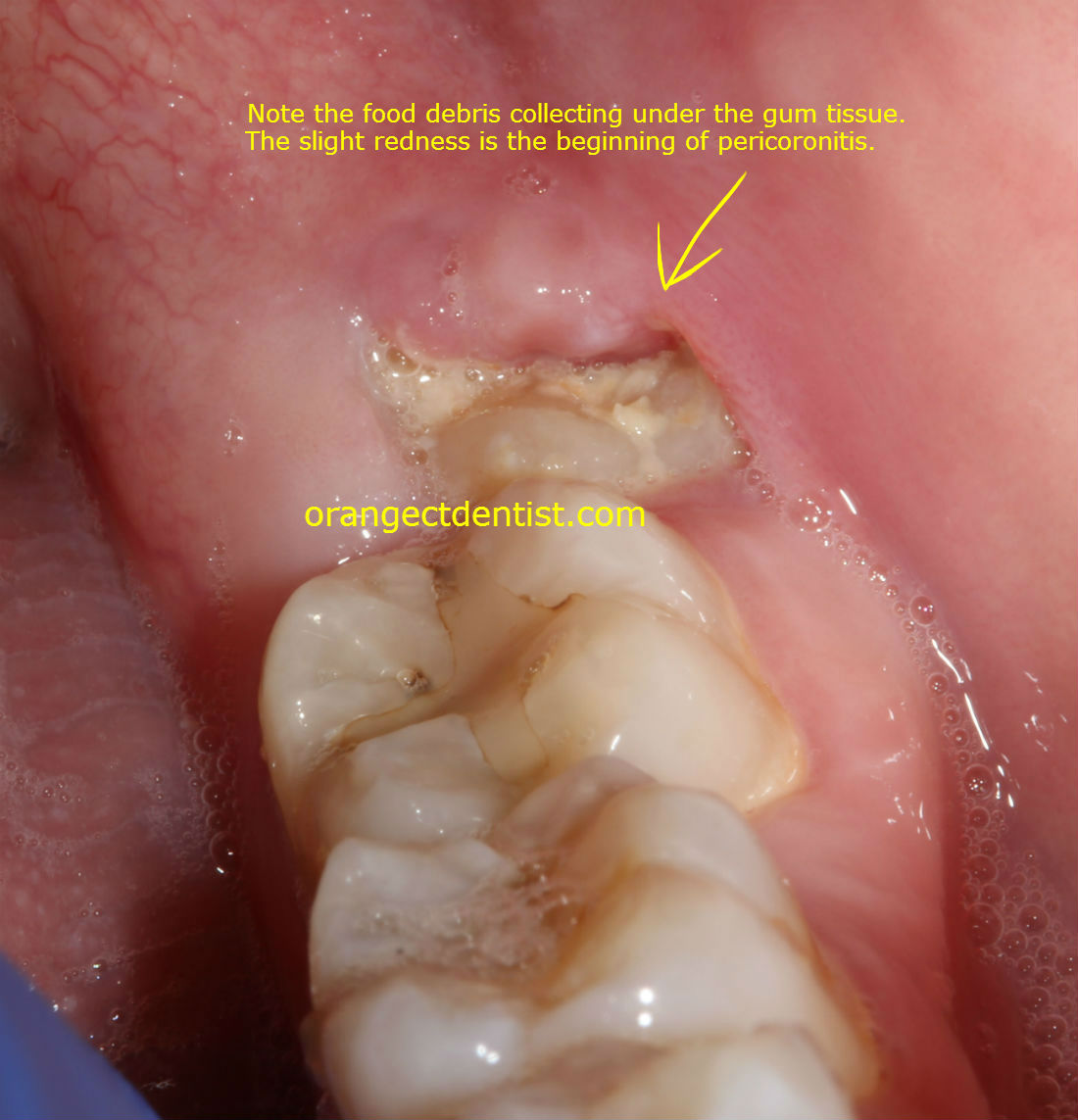
Have you ever experienced a dull, persistent ache at the back of your mouth and wondered what it could possibly be? While it might be easy to attribute this discomfort to a simple headache or some stubborn piece of food, often it points to a more concerning issue: an early-stage wisdom tooth infection. This condition, while common, can transform into a painful predicament if not addressed promptly. Understanding the symptoms, causes, prevention, and treatment methods is crucial in navigating through this dental minefield.
Understanding Wisdom Teeth
Wisdom teeth, or third molars, typically emerge in late adolescence or early adulthood, usually between the ages of 17 and 25. Their arrival can often spark confusion and concern, as many people find they lack the space in their jaw for these additional teeth. This can lead to various dental dilemmas, including infections, crowding, and decay.
Symptoms of an Early-Stage Infection
Recognizing the symptoms of a wisdom tooth infection is paramount to preventing further complications. Early indicators may include:
- Pain and Discomfort: Often starting as a mild ache, the discomfort may escalate, radiating to surrounding areas such as the jaw, ear, or throat.
- Swelling: Inflamed gums around the affected tooth can signal an impending infection. This swelling may appear with redness and may be soft to the touch.
- Bad Breath: Foul-smelling breath can be an ominous sign of infection, often caused by trapped bacteria and food particles.
- Difficulty Opening Your Mouth: Known as trismus, this restriction may hinder your ability to eat, speak, or maintain optimal oral hygiene.
Can you imagine trying to enjoy your favorite meal while battling the discomfort of a tooth infection?
Causes of Wisdom Tooth Infections
The underlying reasons for wisdom tooth infections often stem from the following:
- Impaction: If a wisdom tooth doesn’t have sufficient room to emerge, it may become impacted, leaving it partially submerged beneath the gumline. This can trap bacteria and lead to infection.
- Decay: Wisdom teeth are positioned at the back of the mouth, making them challenging to clean effectively. This negligence can result in cavities and, subsequently, infection.
- Gum Disease: Periodontal diseases arising from poor oral hygiene can render the gums susceptible to infection, particularly around erupting wisdom teeth.
Prevention Strategies
Preventing a wisdom tooth infection primarily revolves around diligent oral care practices along with a proactive approach:
- Regular Dental Check-Ups: Routine visits to the dentist allow for the monitoring of your wisdom teeth. Early intervention can often thwart potential issues before they exacerbate.
- Maintain Oral Hygiene: Thorough brushing and flossing can significantly mitigate the risk of decay. Consider using an antibacterial mouthwash to eliminate lingering bacteria.
- Healthy Diet: Reducing sugary snacks and beverages can lower your risk of cavities and, consequently, infections. Instead, opt for a balanced diet rich in vitamins and minerals.
- Watch for Changes: An acute awareness of any changes in your mouth can empower you to seek help when symptoms first arise. Don’t dismiss persistent discomfort!
Treatment Options
If an infection has already set in, swift treatment is imperative:
- Antibiotics: Dentists often prescribe antibiotics to combat the infection and manage swelling, especially if the area is significantly inflamed.
- Pain Relief: Non-steroidal anti-inflammatory drugs (NSAIDs) can alleviate discomfort. In extreme cases, stronger analgesics may be required.
- Surgical Extraction: If the wisdom tooth is impacted or significantly compromised, oral surgery may be necessary to remove the troublesome tooth and prevent further complications.
Recovery After Treatment
The journey doesn’t end after treatment; recovery is crucial to restoring your oral health. Here are a few tips for the healing process:
- Follow Post-Operative Instructions: Adhere strictly to any guidelines provided by your dentist or oral surgeon to promote optimal recovery.
- Manage Discomfort: Ice packs can help manage swelling, while prescribed medications should be taken as directed.
- Stay Hydrated: Drink plenty of water, but avoid using straws, as the suction can displace clots and delay healing.
Conclusion
Navigating the complexities of a wisdom tooth infection can often feel daunting. However, understanding the symptoms, causes, and preventive measures can equip you with the knowledge to tackle this common issue effectively. If you suspect an early-stage infection, consult your dentist promptly to mitigate potential complications. Remember, your oral health is an integral part of your overall well-being. Don’t let the challenges of wisdom teeth disrupt your life—take control of your dental destiny!









Leave a Comment