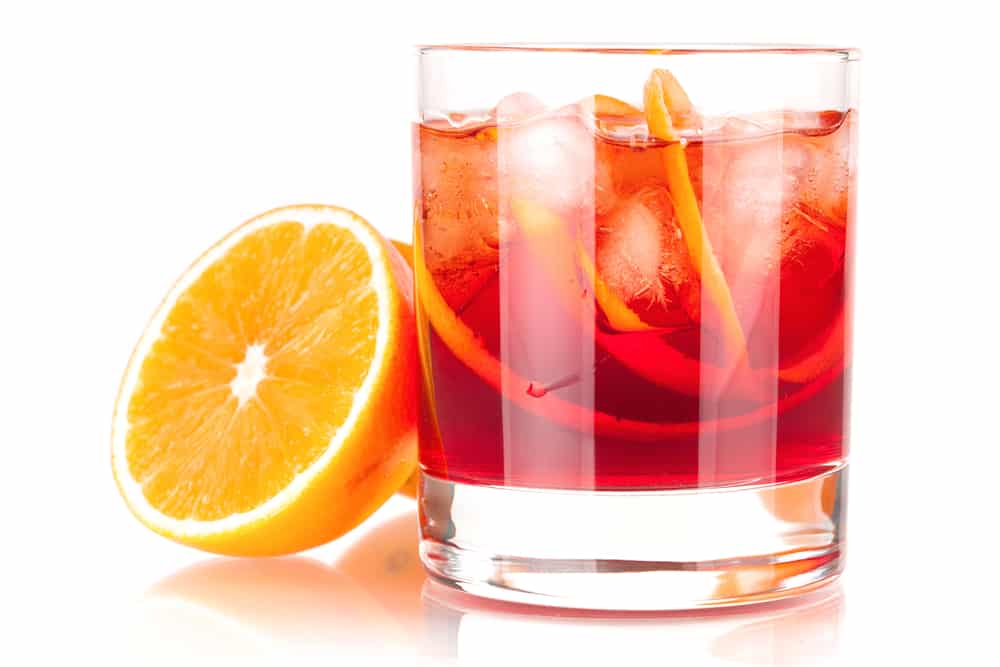
Few cocktails evoke as much intrigue and allure as the Negroni—a classic that has captivated aficionados and casual drinkers alike since its inception over a century ago. Its allure lies not only in its bold flavors but also in the complex interplay of its components. As we delve into its taste profile, we will discover why this vibrant elixir has carved a cherished niche in the hearts of many.
At first sip, the Negroni presents itself with a robust, bittersweet character that demands attention. Composed of equal parts gin, sweet vermouth, and Campari, this cocktail showcases a harmonious balance between the herbal notes of gin, the richness of vermouth, and the vibrant bitterness of Campari. These components coalesce to create a sensory experience that is both stimulating and refreshing.
The vermouth, often referred to as the “forgotten” ingredient in many cocktails, plays a pivotal role in toning the intensity of the gin and Campari. Its lush, syrupy sweetness envelops the palate, imparting hints of caramel and toasty oak, which temper the exuberance of the other ingredients.
Contrasting with this sweetness is the Campari, a bold liqueur that not only adds a striking crimson hue but also introduces an assertive layer of bitterness. This bitterness is where the Negroni truly distinguishes itself, evoking a complex spectrum of flavors ranging from earthy to floral. Its unique profile hints at the undercurrents of orange peel and various botanicals, culminating in a lingering finish that keeps the drinker enthralled.
The gin, often underestimated in the trifecta, is the backbone that provides clarity and structure. Its botanical blend varies widely, from juniper-forward varieties to those infused with more exotic spices and florals. This diversity contributes even more to the cocktail’s evolving taste, as each sip may surprise with different herbal notes emerging prominently. Depending on the gin selection, one may uncover subtleties of citrus, coriander, or even hints of anise that play delicately with the other ingredients.
Furthermore, the overall mouthfeel of the Negroni is an experience in itself. Served over ice, it offers a slight chill that enhances the refreshing quality while allowing the drinker to savor the flavors as they develop. The angular interplay between the sweetness, bitterness, and herbal nuances invites contemplation, encouraging one to explore each sensation with a mindful approach.
But the experience of sipping a Negroni transcends taste; it is imbued with historical significance and cultural resonance. Many regard the Negroni as a quintessential Italian aperitivo, a beverage meant to invigorate the palate and stimulate the appetite before a meal. This cultural backdrop adds an extra dimension to its flavor profile—each sip evokes sun-drenched Italian terraces, bustling cafés, and the conviviality of shared moments.
The fascinating dichotomy in the Negroni’s flavor profile can often be chalked up to individual perception. One drinker may find the cocktail overwhelmingly bitter, while another revels in its complexity and depth. This subjective nature of taste often leads to spirited discussions among enthusiasts, showcasing the diverse interpretations and preferences that arise in the communal enjoyment of the Negroni. Each cocktail becomes not just a drink but a canvas of personal experience.
Moreover, the Negroni’s resurgence in contemporary cocktail culture speaks volumes about society’s evolving palate. Bartenders, armed with a newfound appreciation for artisanal ingredients, experiment with varying gins, vermouths, and even infused bitters to craft unique iterations of the traditional recipe. These creative divergences introduce new flavor elements and allow for endless exploration, unearthing layers of flavor that even the most seasoned connoisseur may overlook in a standard recipe.
Ultimately, the enchantment of the Negroni lies in its complexity and the infinite opportunities it presents. Its stunning red hue beckons from the glass, enticing the drinker to venture forth into a sensory exploration of bitterness, sweetness, and the ephemeral nuances that transform each experience. The way the flavors interact—sometimes colliding, sometimes harmonizing—mirrors the intricate tapestry of human experience itself. In every sip, one can taste not only the meticulously crafted cocktail but also its rich narrative woven through time and culture.
As we conclude this exploration of the Negroni’s taste, it is evident that this cocktail is about far more than just a delightful medley of flavors. It invites introspection and serves as a reminder of the captivating potential inherent in the alchemy of spirits. The biting tangs of gin and Campari, softened by the vermouth’s embrace, create a drink that is not just tantalizing for the taste buds but also steeped in history. Each Negroni tells a story—a testament to the artistry of mixology and the timeless enjoyment of good company, making it a drink worthy of any celebration.









Leave a Comment