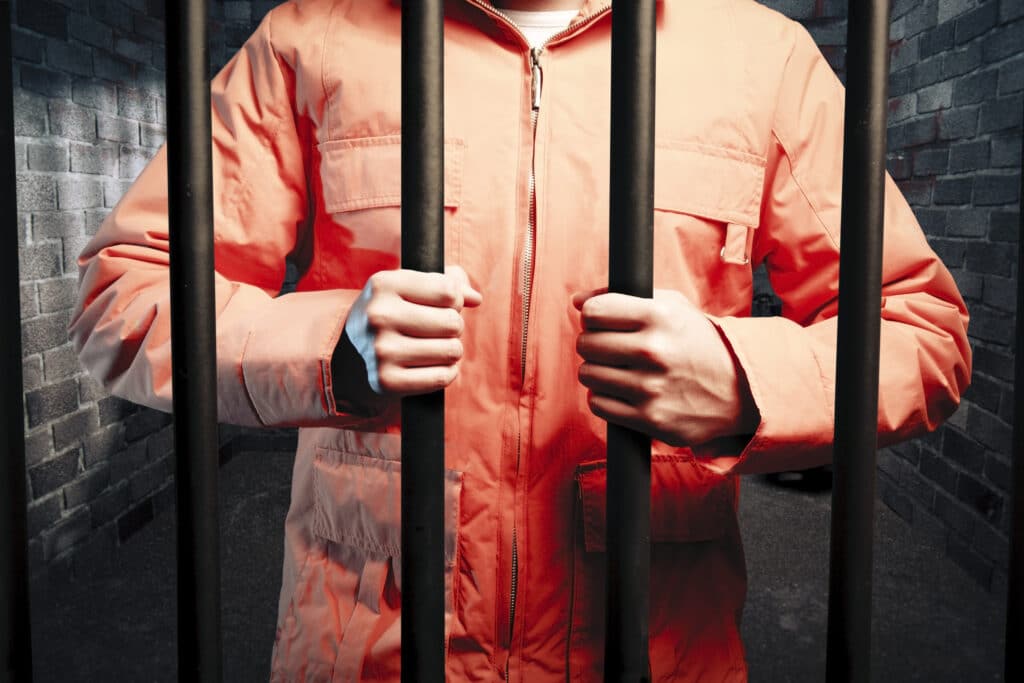
Gun ownership in the United States is a deeply ingrained aspect of the culture, with the shooting range serving as a favored locale for enthusiasts to hone their skills and partake in recreational shooting. However, a pertinent question arises: Can felons go to shooting ranges? The answer is far from straightforward, as it encompasses a myriad of legal stipulations, ethical considerations, and societal implications. In this comprehensive exploration, we will delve into the intersection of criminal history and shooting range access, discussing the complexities involved and shedding light on why the topic captivates so many.
Understanding the Legal Landscape
To unravel the veil surrounding this query, one must first grasp the legal frameworks governing firearm possession in the United States. The primary federal legislation, the Gun Control Act of 1968, delineates specific categories of individuals barred from purchasing or possessing firearms. Felons, specifically those convicted of crimes punishable by imprisonment exceeding one year, are included in this category.
However, the legalities can vary significantly from state to state. Some jurisdictions provide avenues for rehabilitation or the expungement of criminal records, allowing felons to regain their right to own firearms under certain conditions. Consequently, the opportunity for felons to access shooting ranges often hinges on the nuanced interpretation of state laws and local regulations.
State-Specific Variations
Within the patchwork of regulations, states exhibit disparate attitudes towards felon access to shooting ranges. In some states, felons may be prohibited outright from entering shooting ranges if they do not possess firearms legally. Conversely, there are states where specific exemptions are made, permitting felons to participate in supervised shooting activities, especially if they have undergone rehabilitation and proved their commitment to responsible behavior.
For instance, states like Texas allow individuals with felony convictions to seek a pardon or have their rights restored after completing their sentences. In such cases, the path to accessing shooting ranges becomes more feasible. In contrast, other states may adhere to more stringent regulations, uncompromising in their stance against felony convictions and firearm-related activities.
Safety and Accountability Considerations
Engagement in shooting activities raises profound concerns regarding safety and accountability, especially when supervising individuals with felony backgrounds. Shooting ranges face the critical responsibility of ensuring that all participants adhere to safety protocols and possess the maturity necessary for handling firearms. This obligation often translates into an informal vetting process whereby ranges may refuse access to individuals with criminal records to maintain a secure environment for all shooters.
Interestingly, this emphasis on safety contributes to the fascination surrounding the subject. Many individuals ponder the balance between rehabilitating offenders and prioritizing public safety. The debate invites deeper contemplation: Can we trust individuals with a criminal past to handle firearms responsibly? This dilemma lies at the heart of public discourse.
Shooting Range Policies and Procedures
The policies governing shooting ranges often serve as a microcosm of broader societal attitudes toward felons and firearm access. Some ranges implement stringent background checks, while others may not possess the means to conduct thorough investigations. It is imperative for prospective attendees to inquire about specific range policies regarding felons, ensuring they are well-informed before attempting to gain access.
Furthermore, liability waivers and insurance considerations play an integral role in shaping shooting range policies. Many facilities seek to shield themselves from potential legal ramifications associated with allowing felons on-site. This creates an atmosphere of caution—an instinctive reaction to safeguard both the establishment and its patrons, collectively reinforcing societal skepticism toward individuals with criminal histories.
The Role of Rehabilitation
At the core of this discussion lies the notion of rehabilitation. As society grapples with the question of second chances, the possibility of granting felons access to shooting ranges can serve as a catalyst for constructive dialogue. Many advocates argue that responsible engagement with firearms, under supervision, can promote personal accountability and reintegration into society.
Potential programs designed for individuals with felony backgrounds could facilitate structured shooting activities, encompassing safety training and skills development. Such initiatives present opportunities for emerging shooters to rebuild their self-esteem and intercultural competence, fostering a sense of community among participants. Implementing such programs may not only mitigate risks but also enrich the cultural fabric surrounding firearms.
Societal Implications and Personal Fascination
The inquiry into whether felons can access shooting ranges unveils an intricate tapestry of psychological and societal complexities. Many people are drawn to this topic out of an innate curiosity about human behavior and our propensity for redemption. This fascination transcends basic legalities; it delves into the essence of what it means to reintegrate into society after experiencing the consequences of one’s actions.
Moreover, discussions surrounding felons and shooting ranges highlight the ongoing challenge of how society views individuals with criminal backgrounds. Is access to recreational activities a step toward fostering trust and allowing for rehabilitation, or are there valid concerns that necessitate stringent regulations? The answers may not be straightforward, and thus the dialogue continues.
Conclusion: A Multifaceted Dilemma
Ultimately, the question of whether felons can go to shooting ranges serves as a catalyst for broader discussions about justice, safety, and the human capacity for change. The multifaceted nature of this issue reveals a society grappling with its moral compass while striving toward a more informed and nuanced understanding of criminality and redemption. As we navigate through the legal barriers, safety concerns, and societal implications, it remains evident that this conversation is not merely about firearms. It addresses the complexities of human behavior, self-forgiveness, and the cautious dance between opportunity and responsibility in our shared pursuit of safety and community.











Leave a Comment