Tanning, an endeavor steeped in cultural significance and aesthetic appreciation, has intrigued humanity for centuries. The pursuit of a sun-kissed glow often prompts inquiries into the ideal conditions for achieving a flawless tan. Central to this discourse is the Ultraviolet (UV) Index, a pivotal factor in establishing the efficacy and safety of sun exposure. Understanding the implications of various UV Index levels can demystify the tanning process and elucidate safety concerns, leading to a more educated approach to sun exposure.
The UV Index is a numerical scale that communicates the strength of sun’s ultraviolet radiation. It encompasses several categories, ranging from low to extreme, while informing individuals about the potential hazards associated with sun exposure at different times of the day. For optimal tanning, it is crucial to recognize the parameters that dictate effective UV exposure.
1. Understanding the UV Index Scale
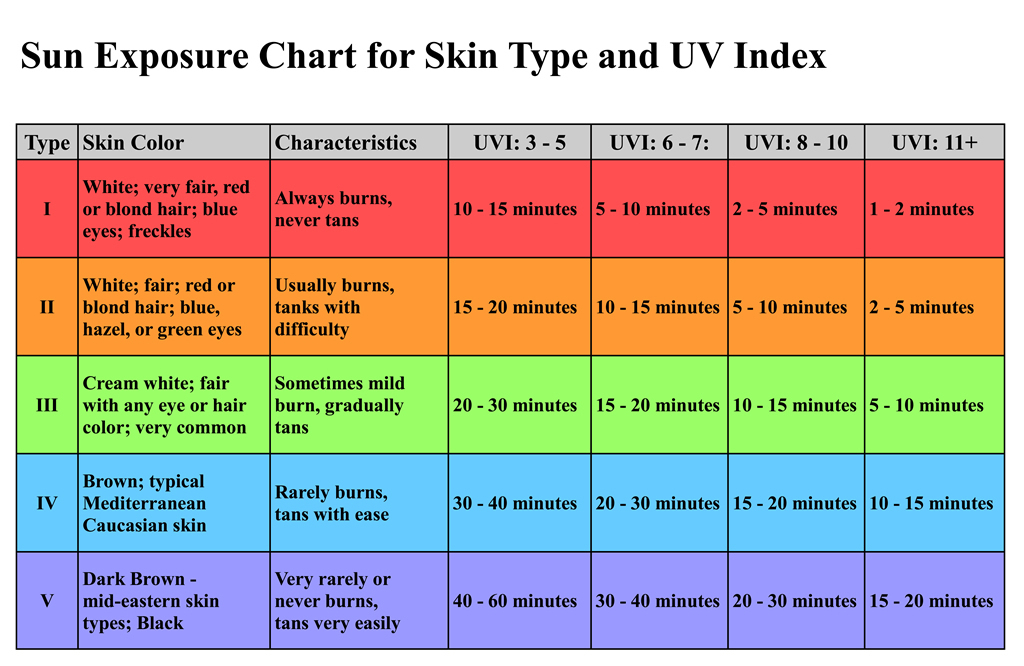
The UV Index scale operates on a measurement system typically ranging from 0 to 11+, with each segment reflecting increasing levels of UV radiation. A reading of 0-2 signifies a low risk of harm from unprotected sun exposure, while 3-5 indicates moderate risk. A rating of 6-7 is regarded as high, 8-10 as very high, and anything above 11 poses extreme danger. For those seeking a healthy tan, a UV Index between 5 and 7 is commonly regarded as the sweet spot: sufficient solar radiation can stimulate melanin production without incurring pronounced skin damage.
2. The Golden Hours of Tanning
Delving into the mechanics of tanning, it becomes evident that timing plays a crucial role. The sun’s angle, which affects UV intensity, changes throughout the day. Generally, the sun is at its zenith—and consequently, the UV Index peaks—between 10 a.m. and 4 p.m. These hours can be optimal for tanning, provided precautions are taken. Understanding this cyclical variation can help enthusiasts plan their sunbathing sessions judiciously, ensuring they receive adequate UV exposure while remaining vigilant about the associated risks.
3. The Role of Skin Type
Equally essential in the tanning discourse is the consideration of individual skin types. Those with lighter skin often have reduced melanin levels, rendering them more susceptible to UV damage, including sunburn and long-term skin issues. Conversely, individuals with darker skin naturally possess higher melanin levels, affording them more protection against UV radiation. It is important to tailor tanning strategies according to personal skin attributes while also monitoring the UV Index. Lighter skin types may seek a UV Index in the lower range of effective tanning (around 5), while darker skin types can typically tolerate slightly higher levels.
4. The Sun’s Seasonal Dance
The latitude and season profoundly influence UV Index readings. During summer months, particularly in regions closer to the equator, UV radiation strength amplifies considerably. This phenomenon is exacerbated during the midday hours. Conversely, winter months yield weakened UV emissions, even with clear skies, necessitating an understanding of the shifting solar patterns. Enthusiasts aiming for an enviable tan should adapt their exposure strategies to these seasonal variations and their geographical coordinates.
5. Chemical Interference: Products and Protection
The vast array of tanning products—lotions, oils, and sprays—often contains chemicals designed to enhance melanin production or offer temporary color. However, many of these products can interfere with the UV response of the skin. Some formulations may lend a false sense of security, often leading users to overexpose their skin to harmful UV rays. Understanding how these products operate in relation to the UV Index can refine tanning practices and bolster skin protection. Using broad-spectrum sunscreen with a minimum of SPF 30 is advisable, as it can mitigate the damaging effects while still allowing for optimal pigmentation development.
6. Recognizing Signs of Overexposure
It is imperative to cultivate an awareness of one’s skin reactions during tanning sessions. Signs of overexposure include redness, discomfort, or peeling, indicative of sunburn. Such reactions signal an urgent need to curtail sun exposure. Engaging in tanning practices while monitoring the UV Index can minimize the risk of sunburn, yet vigilance ensures safety. Frequent check-ins with one’s skin condition can prevent more severe consequences, such as long-lasting skin damage or increased skin cancer risk.
7. Conclusions on Safe and Effective Tanning
The allure of a golden tan is utterly captivating, serving as both an emblem of vitality and aesthetic beauty. However, the key to achieving this look lies in a comprehensive understanding of the UV Index. By discerning the most favorable conditions for tanning, one’s approach can be both strategic and safe. Embracing the nuances of UV exposure—considering elements such as timing and individual skin characteristics—affords a richer, healthier tanning experience. In the end, a balanced approach that harmonizes passion for tanning and awareness of the sun’s effects leads to not just a beautiful tan, but also a commitment to skin health and wellbeing.








Leave a Comment