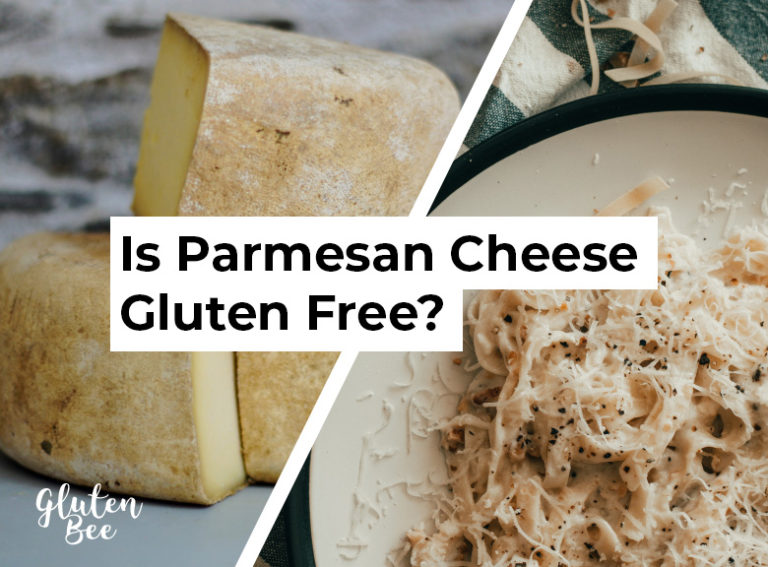
Parmesan cheese, known for its rich flavor and granular texture, is a staple in various culinary traditions, particularly in Italian cuisine. As the trend towards gluten-free diets gains momentum, questions arise regarding the gluten content in various food products, including cheese. This article delves into the specific inquiry: is Parmesan cheese gluten-free? By exploring the nature of cheese production, ingredient variations, and gluten-related concerns, we aim to clarify this importance for health-conscious consumers.
The Essence of Parmesan Cheese
Parmesan cheese, or Parmigiano-Reggiano, is made from cow’s milk and undergoes a lengthy aging process, typically from 12 to 36 months. Originating from specific regions in Italy, this cheese adheres to strict production regulations that govern its authenticity and quality. The traditional crafting of Parmesan involves heating milk, adding rennet, and allowing the curds to form. The resultant cheese is then pressed, salted, and aged, during which it develops a complex flavor profile characterized by nutty and savory undertones.
Understanding Gluten: A Brief Overview
Gluten is a protein commonly found in wheat and related grains, such as barley and rye. It plays a crucial role in giving elasticity and chewiness to baked goods. For individuals with celiac disease or gluten sensitivity, ingestion can lead to severe health repercussions, necessitating a stringent avoidance of gluten-containing foods and ingredients. Being well-informed about food choices becomes imperative for these individuals, which brings us back to the question of whether Parmesan cheese falls into the gluten-free category.
Assessment of Traditional Parmesan
Traditionally produced Parmesan, when made according to established methods and with high-quality ingredients, is inherently gluten-free. The primary components—milk, rennet, salt, and sometimes a culture—are devoid of gluten. Rennet, an enzyme used to curdle the milk, does not contain gluten, nor does it derive from gluten-containing sources. Therefore, anyone consuming authentic Parmigiano-Reggiano crafted under these parameters can enjoy this cheese without concern.
Risks of Cross-Contamination
Though Parmesan cheese itself lacks gluten, the risk of cross-contamination remains a pertinent issue. In facilities where gluten-containing products are processed, the possibility of gluten particles contaminating the cheese is a real concern. This situation is particularly relevant for pre-grated or processed varieties of Parmesan, which may be packaged alongside glutenous substances. To mitigate these risks, consumers should seek out cheeses certified as gluten-free, particularly if they are susceptible to gluten-related disorders.
Different Types of Parmesan Cheese
Beyond the traditional Parmigiano-Reggiano, a myriad of Parmesan cheese varieties exists. Some are made using alternative methods or ingredients, which can introduce gluten or potential cross-contamination. Commonly available types include:
- Pre-Grated Parmesan: Often found in convenience packaging, these cheeses may contain anti-caking agents or additional fillers that could potentially harbor gluten. Always check labels.
- Imitation Parmesan: Some lower-cost alternatives mimic the flavor profile of true Parmesan but may use additives or processing techniques that introduce gluten. Verification of product ingredients is crucial.
- Artisanal and Craft Parmesan: Small-scale producers may offer unique takes on Parmesan, using traditional methods but differing in processes or ingredients, which could affect gluten content. Trustworthy sources should be sought for these products.
Label Scrutiny: Reading Between the Lines
For consumers vigilant about gluten, scrutinizing food labels is an essential practice. When evaluating Parmesan cheese, look for terms like “gluten-free” or “certified gluten-free” prominently displayed. Additionally, examine ingredient lists for any non-dairy fillers such as starches or additives that can pose gluten risks. Understanding the nuanced language of food labeling can empower consumers to make informed decisions.
Alternatives for Gluten-Free Diets
Should you find yourself in a situation where traditional Parmesan is not available or guarantees regarding gluten content are ambiguous, numerous alternatives exist for enhancing flavor in a gluten-free diet. Some delectable substitutes include:
- Pecorino Romano: An Italian sheep’s milk cheese with a sharp and salty flavor, often easily accessible in gluten-free forms.
- Grana Padano: Similar to Parmesan but milder, this cheese also boasts a gluten-free profile when authentically produced.
- Nutritional Yeast: While not cheese, its umami flavor can replicate the savory notes of Parmesan in dairy-free or gluten-free contexts.
The Verdict: Is Parmesan Cheese Gluten-Free?
Conclusively, traditional Parmesan cheese is gluten-free, provided it is made with unadulterated ingredients and produced in a dedicated facility. However, the risk of cross-contamination and the proliferation of alternative products necessitates caution. Consumers must remain vigilant, opting for certified gluten-free labels and remaining informed about the varieties they choose. By doing so, one can enjoy the savory delights of Parmesan without compromising their health.
In the multifaceted world of dietary needs, understanding the gluten content in esteemed cheeses like Parmesan enriches culinary experiences while safeguarding well-being. Whether sprinkling it over pasta, grating it into salads, or snacking on shards of this exquisite cheese, knowledge affirms enjoyment without compromise.








Leave a Comment