When it comes to vehicle maintenance, many issues require immediate attention, but few are as crucial as the braking system. Braking is an integral function of your vehicle, intertwining safety and performance. One critical component of this system is brake fluid. Identifying the signs of low brake fluid can be pivotal to preserving both your vehicle’s integrity and your safety on the road. This guide delves into the symptoms that signify low brake fluid levels. Through an examination of these symptoms, motorists can adopt a proactive approach to vehicle care.
Understanding Brake Fluid’s Role
Before diving into the symptoms, it’s essential to grasp the significance of brake fluid. This hydraulic fluid is responsible for transmitting force within the braking system. When you press the brake pedal, brake fluid carries that force to the brake components—pistons, calipers, and ultimately, the brake pads. The entire mechanism relies on brake fluid not only for pressure but also for proper functioning and safety.
1. Warning Light Activation
Many modern vehicles are equipped with intricate monitoring systems. A dashboard warning light, often resembling a circle with an exclamation mark inside, may illuminate when brake fluid levels are low. This alert serves as the vehicle’s first line of defense, urging the driver to investigate further. Ignoring this warning is akin to sailing into turbulent waters without a lifeboat; it could result in dire consequences.
2. Spongy Brake Pedal Feel
When brake fluid is depleted, the hydraulic pressure diminishes, manifesting as a spongy or oddly soft brake pedal. This sensation is a conspicuous departure from the usual firmness that drivers expect. An unresponsive brake pedal not only compromises your stopping power but may also indicate other underlying issues within the braking system.
3. Increased Stopping Distance
Another alarming symptom of low brake fluid is the extended stopping distance. You might notice that your vehicle requires considerably more time to halt than it used to. This noticeable change can be attributed to inadequate brake pressure, leading to diminished performance. The ramifications are serious: an inability to stop promptly could lead to collisions, putting you and others in harm’s way.
4. Unusual Noises
Low brake fluid levels can incite a cacophony of unusual noises. Squealing or grinding sounds emanating from the brakes may signal that the brake pads are not adequately lubricated or that wear indicators are making contact with the rotor. Such noises often indicate distress within the braking system. It is worth noting that prolonged driving with insufficient brake fluid not only exacerbates these sounds but could prematurely wear out essential components.
5. Brake Fade
Brake fade refers to a reduction in braking efficiency that occurs when the brakes are overheated. Low brake fluid can significantly exacerbate this phenomenon. You may notice that after consistent braking—especially in hilly terrains—the brakes seem to lose their gripping capability. This temporary loss of control can be disconcerting and requires immediate action to replenish the brake fluid.
6. Fluid Leak Puddles
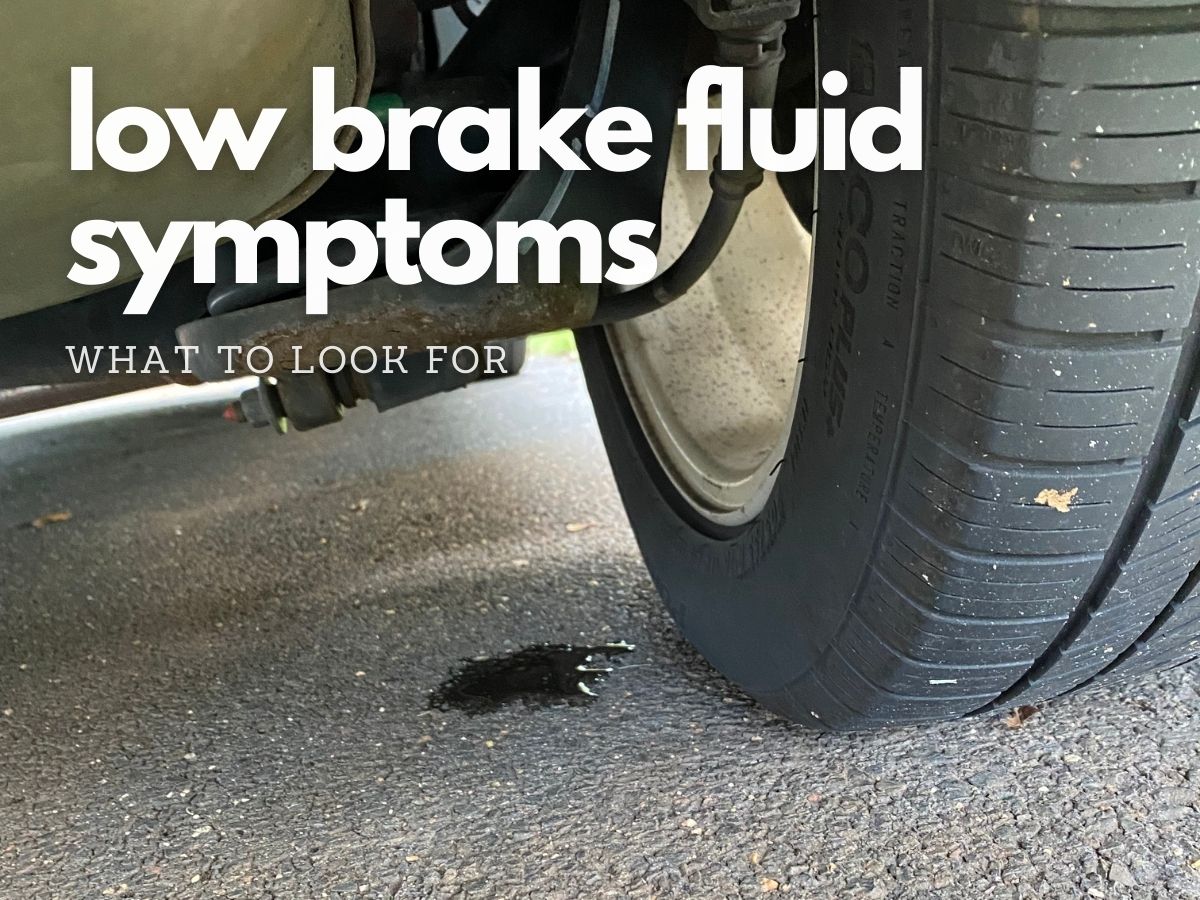
While it’s not a direct symptom of low fluid levels, discovering puddles of fluid beneath your vehicle is an urgent red flag. Brake fluid has a distinct and identifiable chemical scent. If you observe this liquid pooling on your driveway or garage floor, it is a clear indication of a leak. Investigating the source of the leak is imperative, as it could lead to a more severe braking failure if left unresolved.
7. Brake Warning Message
In some vehicles, a comprehensive onboard diagnostic system may display a specific warning message on your dashboard regarding brake fluid. Unlike the generic warning light, such messages could provide information about low levels or other issues related to the braking system. Heeding these warnings can guide you to investigate and rectify the issue without delay.
Taking Action: What to Do Next
Encountering any of these symptoms should spur immediate action. Here’s a step-by-step approach to address the situation:
- Inspect Fluid Levels: Open the hood and check the brake fluid reservoir. If the fluid is below the minimum level, this could indicate a leak or normal wear.
- Look for Leaks: Trace the brake lines and inspect for signs of leakage, corrosion, or damage. Addressing a leak is crucial for your safety.
- Top Off Fluid: If low fluid is confirmed without leaks, topping off the brake fluid with the appropriate type is a prudent temporary measure.
- Consult a Professional: If symptoms persist or if you encounter complexities beyond a simple top-off, seek the expertise of a certified mechanic. Their diagnostic tools and experience can uncover issues you might not identify on your own.
Conclusion
Understanding the symptoms of low brake fluid is essential for maintaining a safe driving experience. Recognizing the signs early empowers vehicle owners to take proactive measures, thus ensuring the efficiency and reliability of their braking systems. Safety should always take precedence; embracing these concepts can lead to a renewed awareness of vehicle maintenance and the importance of brake fluid levels. When it comes to automobile care, being observant and informed is the key to safe travels.









Leave a Comment