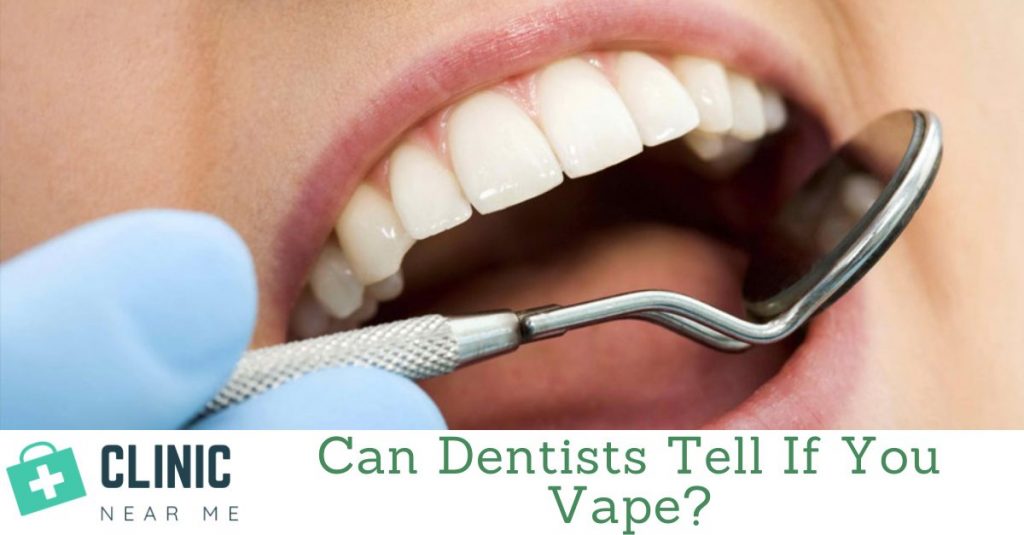
In recent years, vaping has surged in popularity, particularly among younger generations. This trend has raised pertinent questions regarding its impact on oral health, and one that frequently arises is whether dentists can detect vaping habits during routine check-ups. This comprehensive exploration will delve into the signs and symptoms that may reveal a patient’s vaping habits, the methodologies dentists employ to identify such behaviors, and the broader implications for oral health.
Understanding Vaping and Its Components
To comprehend how dentists can identify vaping, it’s essential to explore what vaping entails. Vaping involves inhaling aerosol produced by e-cigarettes or similar devices, which often contain nicotine, propylene glycol, vegetable glycerin, flavorings, and other chemicals. These substances can have profound effects on the oral cavity and overall dental health.
Physical Signs of Vaping
Many individuals may not realize that specific physical indicators can serve as a telltale sign for dentists. A few notable signs include:
- Dry Mouth: Vaping can lead to xerostomia, or dry mouth, which occurs due to reduced saliva production. Dentists may observe a lack of moisture in the oral tissues, leading to difficulties in speech and swallowing.
- Bad Breath: The unpleasant odor associated with vaping can linger long after the vapor is expelled. This characteristic odor may draw a dentist’s attention, prompting inquiries into the patient’s habits.
- Discoloration of Teeth: The consumption of flavored e-liquids often results in staining. Dentists may notice unusual discoloration despite regular oral hygiene practices.
- Gum Health Issues: Vaping can exacerbate periodontal problems, leading to inflamed gums or gum recession. Observations of these conditions may indicate potential vaping habits.
Technical Methods Used by Dentists
Beyond visual examinations, dentists have several technical methods at their disposal to ascertain whether a patient vapes. These can include:
- Diagnostic Imaging: Advanced imaging technologies can reveal changes in bone density and other structural aspects of the jaws that might be affected by vaping.
- Salivary Testing: Dentists may analyze saliva for specific biomarkers associated with vaping, such as nicotine or its metabolites, providing tangible evidence of usage.
- Medical History Assessments: A thorough review of a patient’s medical history, including inquiries about nicotine use, can help identify past or present vaping habits.
The Role of Direct Communication
One of the most effective methods for dentists to determine if someone vapes is through open and honest communication. Patients may feel apprehensive about disclosing their vaping habits; however, dentists emphasize the importance of transparency for accurate treatment.
During consultations, practitioners often create a non-judgmental environment. They may explicitly ask about vaping habits, using language that encourages patients to discuss their experiences without fear of stigma. This dialogue can reveal invaluable insights into a patient’s lifestyle choices that could impact oral health.
Health Implications of Vaping
Understanding the potential ramifications of vaping on oral health is crucial for both patients and dental professionals. Some of the most significant health implications include:
- Increased Risk of Cavities: The sweet flavorings in many vape liquids can contribute to tooth decay by promoting bacterial growth that leads to cavities.
- Oral Lesions: Users may experience oral lesions or sores from the chemicals present in vape products, which can complicate routine dental care.
- Nicotine Addiction: When an individual vapes nicotine, the likelihood of addiction increases, potentially leading to further oral health neglect as habits develop.
- Compromised Healing: For patients undergoing dental procedures, nicotine can impede healing processes, complicating recovery and overall outcomes.
Advice for Patients
- Practice Excellent Oral Hygiene: Regular brushing, flossing, and rinsing can help mitigate some of the adverse effects associated with vaping.
- Stay Hydrated: Drinking sufficient water can combat dry mouth and the negative repercussions associated with it.
- Schedule Routine Dental Visits: Frequent check-ups enable early detection of potential issues, allowing for timely intervention.
- Consider Reducing or Quitting Vaping: Seeking assistance for cessation can significantly improve not only oral health but overall well-being.
Conclusion
In conclusion, while it may not be immediately obvious, dentists have various means to ascertain whether a patient vapes. The physical signs, technical evaluations, and open communication all contribute to a clearer understanding of a patient’s oral health and habits. As vaping continues to evolve, so too does the importance of remaining informed about its impact on dental health. Patients should nurture an open dialogue with their dental care providers to foster an environment where oral health can thrive, irrespective of their vaping status.











Leave a Comment