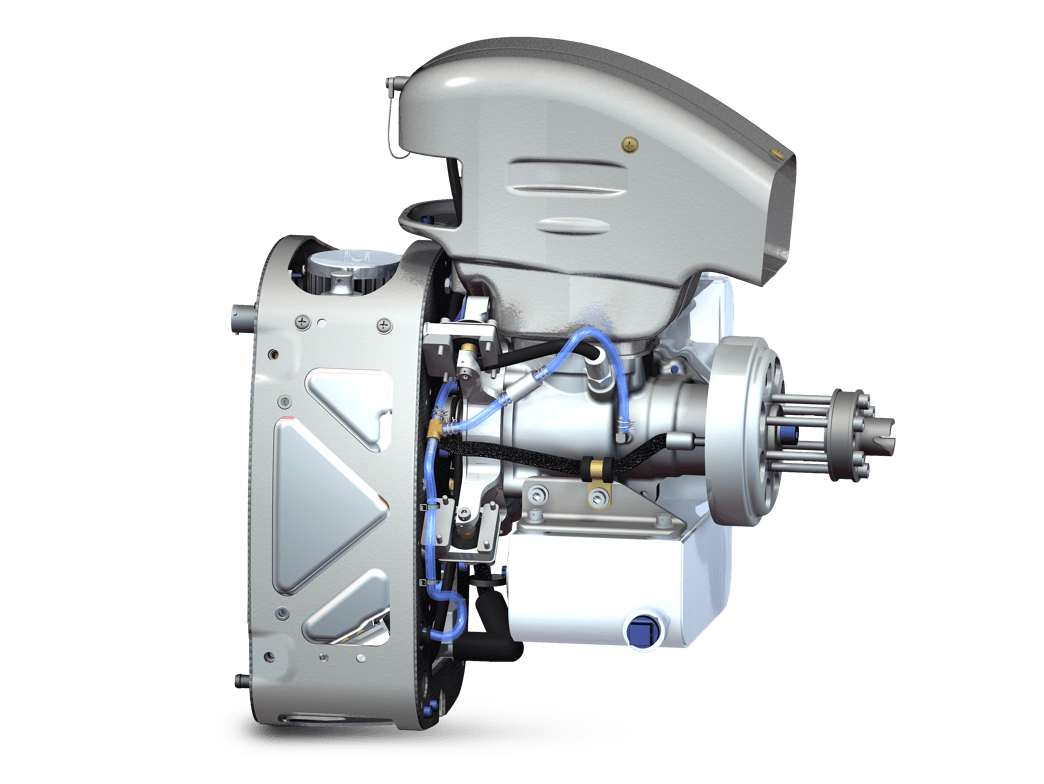
The world of internal combustion engines is a complex realm, and within it lies a fundamental distinction between two primary types: gasoline engines and diesel engines. While they may seem similar on the surface, each employs distinct mechanisms and technologies that define their performance, fuel efficiency, and functionality. A critical inquiry arises in this context: Does a diesel engine have a spark plug? To unravel this question, one must traverse the intricate landscapes of these engines’ operational principles and the roles that spark plugs occupy within them.
To understand the absence of spark plugs in diesel engines, it’s essential to first shine a light on their operational dynamics. Traditional gasoline engines rely on a technique akin to the flamboyant dance of fire, utilizing spark plugs to ignite a pristine mixture of air and fuel. A spark plug is, in essence, a catalyst, igniting the fuel-air mixture at just the right moment during the engine’s compression cycle. This explosion propels the pistons, generating the power that turns the crankshaft and ultimately powers the vehicle.
In contrast, diesel engines are adept at igniting fuel through a different method—compression ignition. Think of this process as a diligent baker, who, instead of using leavening agents to create rise, relies solely on the meticulous application of heat and pressure. In a diesel engine, air is compressed to an exceedingly high degree, raising its temperature significantly. When diesel fuel is then injected into this superheated environment, it ignites spontaneously. The absence of a spark plug is what sets the diesel engine apart; it is a masterclass in utilizing physical laws rather than chemical catalysts to elicit energy release.
This absence may evoke thoughts of nature’s raw power. Just as a forest fire can ignite from natural causes like lightning, a diesel engine harnesses the explosive potential of compression to initiate combustion without the finesse of a spark plug. This method is not only simple but also advantageous in several ways: diesel engines typically achieve higher thermal efficiency, resulting in better fuel economy compared to their gasoline counterparts.
One might question why, then, the spark plug exists in the automotive vocabulary if it is irrelevant to diesel engines. The answer lies in the dichotomy of fuel types and combustion processes. Spark plugs serve a critical role in gasoline engines, ensuring that the vehicle starts smoothly and runs efficiently. Their foundational purpose is to create a reliable ignition system, which defines the performance and reliability of gasoline engines across various conditions.
Delving deeper into the merits of diesel engines unveils additional layers of intrigue. With higher operating efficiencies, these engines also exhibit superior torque characteristics, making them ideal for applications where substantial power is necessary, such as in trucks, buses, and heavy machinery. This robustness is akin to a seasoned workhorse, tirelessly performing its duties, where the strength lies not in rapid acceleration, but in relentless endurance.
Moreover, the architecture of diesel engines is built to withstand greater pressures than gasoline engines. The heightened expectations placed upon them during operation necessitate a sturdier construction, incorporating heavier components that can endure the rigors of compression-based combustion. This design is emblematic of durability and reliability—a sentiment echoed in the long-standing reputation diesel engines have gained over decades of service in robust applications.
However, it is prudent to recognize the limitations intrinsic to this design as well. Diesel engines can be somewhat sluggish in response, particularly in cold weather. The lack of a spark plug means starting a diesel engine can be a sluggish endeavor, requiring glowing plugs to warm the cylinders and facilitate combustion. Additionally, while diesel is often deemed more fuel-efficient, the cost of diesel fuel can sometimes offset these savings, rendering the choice between gasoline and diesel engines a multifaceted decision.
As we journey to the conclusion of our exploration, it becomes evident that the spark plug and the diesel engine stand as symbols of two divergent philosophies in the world of automotive engineering. One embraces the elegance of precision ignition, while the other revels in the raw strength of compression. The absence of spark plugs in diesel engines does not denote an inferiority; rather, it highlights a unique prowess in efficiency and durability. By drawing parallels to natural phenomena and reflecting on the masterful engineering behind these machines, one appreciates the nuanced sophistication of diesel technology.
In the end, the answer to whether a diesel engine has a spark plug is a resolute no. And yet, this simple truth encapsulates a more profound narrative—a tale of two engines, each with its purpose, advantages, and loyal following. The materials of our world are varied and complex, and within this tapestry, diesel engines carve out their unique identity, dominating the terrains of heavy-duty operations with unwavering steadfastness. The comparison serves not to highlight superiority but to celebrate diversity in engineering solutions, where each engine type embodies its own story in the grand chronicles of movement and power.









Leave a Comment