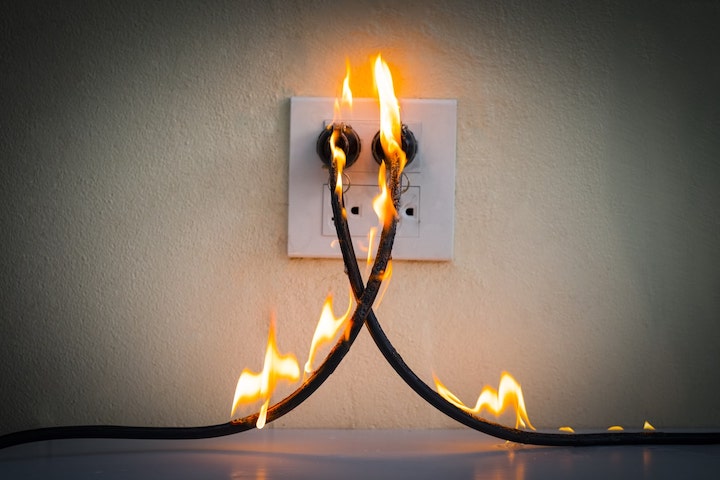
Imagine you’re enjoying a peaceful evening at home when suddenly, you catch a whiff of something burning. To your horror, you realize there’s an electrical fire sparking in the corner! A heart-racing scenario, isn’t it? The question isn’t whether you need to act quickly; the conundrum lies in: how do you safely extinguish an electrical fire without making things worse? The stakes could not be higher. Below, we will delve into thorough guidelines on addressing such a hazardous situation, ensuring you remain calm and composed while safeguarding both yourself and your surroundings.
Understanding Electrical Fires
Before diving into the ‘how-to’ of extinguishing an electrical fire, it’s crucial to comprehend its origins. Electrical fires typically erupt due to faulty wiring, overloaded circuits, or malfunctioning appliances. Being cognizant of these causes can aid in prevention. An electrical fire is generally indicated by the presence of sparks, unusual sounds, or acrid odors. Recognizing these warning signs is vital in curtailing the escalation of danger.
Step 1: Assess the Severity
Your first instinct may be to leap into action, but a moment of assessment can save lives. If the fire is manageable (a small spark or flame) and not spreading dangerously, you might proceed cautiously. However, if the fire is large or escalating rapidly, evacuating the premises should be your foremost concern. Always prioritize human life over property.
Step 2: Power Down
If feasible and safe, locate the nearest circuit breaker and cut the power supply. This action interrupts the electrical current feeding the fire. However, only attempt this if the breaker is easily accessible. If the fire obstructs your path to the breaker, don’t risk getting closer. Your safety reigns supreme.
Step 3: Identify Your Fire Extinguishing Agent
Water is your enemy in this context; it can exacerbate the flames and pose a severe electrocution risk. Instead, reach for a Class C fire extinguisher, specifically designed to tackle electrical fires. These extinguishers typically contain either dry chemical agents or carbon dioxide, which are effective at smothering flames without conducting electricity. Familiarize yourself with the locations of fire extinguishers in your home beforehand; this could be critical now.
Step 4: Using the Fire Extinguisher
When you’re equipped with a fire extinguisher, remember the acronym PASS:
- P: Pull the pin to break the tamper seal.
- A: Aim low at the base of the fire—this is where the flames originate.
- S: Squeeze the handle slowly to release the agent.
- S: Sweep the nozzle from side to side until the fire is extinguished.
Maintain a safe distance while employing the extinguisher. A back-step helps create a safe perimeter. If the fire continues despite your best efforts, retreat to a safe area and call emergency services immediately.
Step 5: Smothering the Flame
If a fire extinguisher is absent and the flames are small, you may employ other methods to snuff it out. A heavy blanket, baking soda, or flour can effectively smother the flames by depriving them of oxygen. However, avoid using items that might be flammable themselves, such as towels or paper materials. This method requires a delicate balance—act decisively yet cautiously to prevent exacerbating the situation.
Step 6: Evacuate if Necessary
If the fire stubbornly persists or the conditions intensify, do not hesitate to flee. Advise anyone else in the vicinity to evacuate and, if time allows, secure the premises by closing doors to contain the fire. Once you reach safety, notify emergency services and provide them with information about the blaze. Remain a safe distance from the building, for you never know how unpredictable fire behavior can become.
Step 7: Aftermath Considerations
After the predicament has been resolved, it’s imperative to seek professional assessment of your electrical systems. Fires can indicate severe issues that may persist even once the flames are extinguished. Refrain from using any appliances or outlets that may have contributed to the incident until they have been investigated by a qualified electrician. Consider implementing safety measures in your home, such as smoke detectors and regular electrical inspections, to preempt future mishaps.
Conclusion
Though the prospect of confronting an electrical fire can be daunting, understanding the proper course of action can empower you to respond with confidence. Some may argue that preparedness is half the battle won, and in this case, that assertion holds firm. Always prioritize safety, consult professionals when in doubt, and remember to educate others about the correct methods for discarding fires. The true challenge lies not only in extinguishing the flames but also in driving home the importance of vigilance against potential hazards. Stay safe!








Leave a Comment