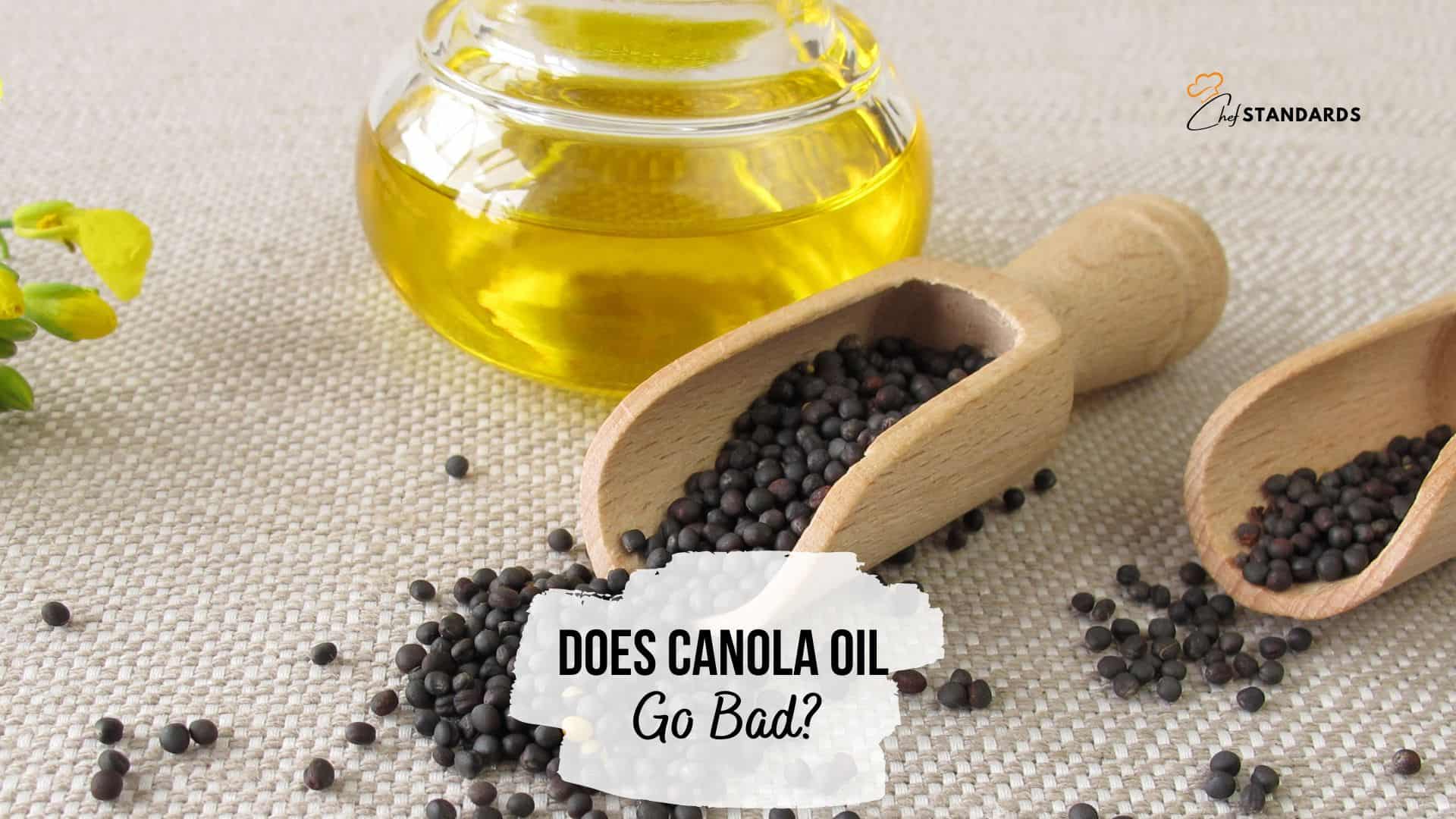
Canola oil is a staple in kitchens around the world, beloved for its versatility and health benefits, but have you ever pondered the longevity of this ubiquitous cooking oil? Does it really spoil like other food items, or does it possess a hidden resilience? In this exploration, we will embark on a culinary journey to unravel the mysteries surrounding canola oil, delving into its shelf life, signs of deterioration, and proper storage techniques. Prepare to shift your perspective on this common kitchen ingredient and discover the answers to questions you may not have thought to ask.
Understanding Canola Oil
Canola oil, derived from the seeds of the canola plant, is celebrated for its high smoke point and subtle flavor, making it ideal for sautéing, frying, and baking. Rich in monounsaturated fats, it boasts a favorable omega-3 to omega-6 fatty acid ratio. However, like all natural products, canola oil is not immortal. Understanding its composition will allow us to better appreciate how and why it goes bad.
What Affects the Shelf Life?
Typically, canola oil has a shelf life of about 1 to 2 years if unopened and stored in a cool, dark place. Factors such as light exposure, temperature fluctuations, and the presence of oxygen can all play critical roles in its degradation. Unopened bottles remain stable longer, but once opened, its clock begins ticking. The chemical structure of the oil begins to change, primarily due to oxidation, which can lead to rancidity.
Signs That Your Canola Oil Has Spoiled
Identifying rancid oil goes beyond mere expiration dates. A sensory evaluation can serve as your most reliable guide. Here are the key signs to look for:
- Odor: Fresh canola oil has a light, neutral aroma. Once it starts to go bad, it emits a sharp, acrid smell that can be off-putting. Trust your nose; if the scent seems off, it probably is.
- Taste: A simple taste test can reveal a lot. Rancid oil will have a bitter or soapy flavor that can ruin culinary creations. If you detect anything unpleasant, it’s best to discard it.
- Appearance: While canola oil is typically a clear, golden liquid, rancid oil may exhibit cloudiness or sediment. Changes in texture can also indicate spoilage.
Factors That Contribute to Spoilage
Understanding the hydra-headed factors that contribute to canola oil spoilage can help you mitigate risks:
- Light Exposure: Sunlight is a notorious enemy of cooking oils. It accelerates the process of oxidation. Storing canola oil in opaque containers or dark shelves can fortify its longevity.
- Heat: Although canola oil has a high smoke point, excessive heat can undermine its integrity. Always store it away from heat sources, such as stoves or ovens.
- Air Exposure: Prolonged contact with air leads to oxidation, turning fresh oil rancid. Ensure that the cap is tightly secured to minimize this exposure.
Proper Storage Techniques
The manner in which you store canola oil can significantly influence its lifespan and freshness. Here are some foolproof strategies:
- Keep It Cool: A dark cupboard or pantry is the ideal sanctuary for canola oil. Refrigerating it can also extend its shelf life if you’re willing to bear slight changes in texture when it comes to cooking.
- Limit Air Exposure: Consider transferring your canola oil into smaller bottles as you use it. This reduces the amount of air that comes into contact with the remaining oil, thereby prolonging its life.
- Use Quality Containers: Airtight containers, preferably glass or dark plastic, can shield your oil from the ravages of light and air, preserving its delicate properties.
Can I Use Expired Canola Oil?
While it’s tempting to utilize every last drop of resource, using expired canola oil is not advisable. It may not lead to food poisoning, but it can compromise both flavor and nutritional value. When in doubt, it’s best to err on the side of caution and discard any oil that shows signs of spoilage.
Health Implications
The repercussions of consuming rancid oil extend beyond flavor. Rancid oils may form harmful compounds, potentially impacting heart health and overall well-being. The oxidation process can generate free radicals, which are linked to cellular damage. Prioritize fresh, high-quality oil to maintain not only the integrity of your culinary endeavors but also your health.
Conclusion
Canola oil may seem like an innocuous kitchen staple, but understanding its shelf life and the signs of spoilage can transform the way you interact with this essential ingredient. By adjusting your storage methods to protect against light, heat, and air exposure, you can prolong its usability and ensure that it remains a valuable asset in your culinary arsenal. So the next time you reach for that bottle of canola oil, remember the importance of longevity and freshness. Your taste buds will thank you, and your cooking will reach new heights. Embrace this shift in perspective and redefine your relationship with canola oil—where freshness reigns supreme.








Leave a Comment