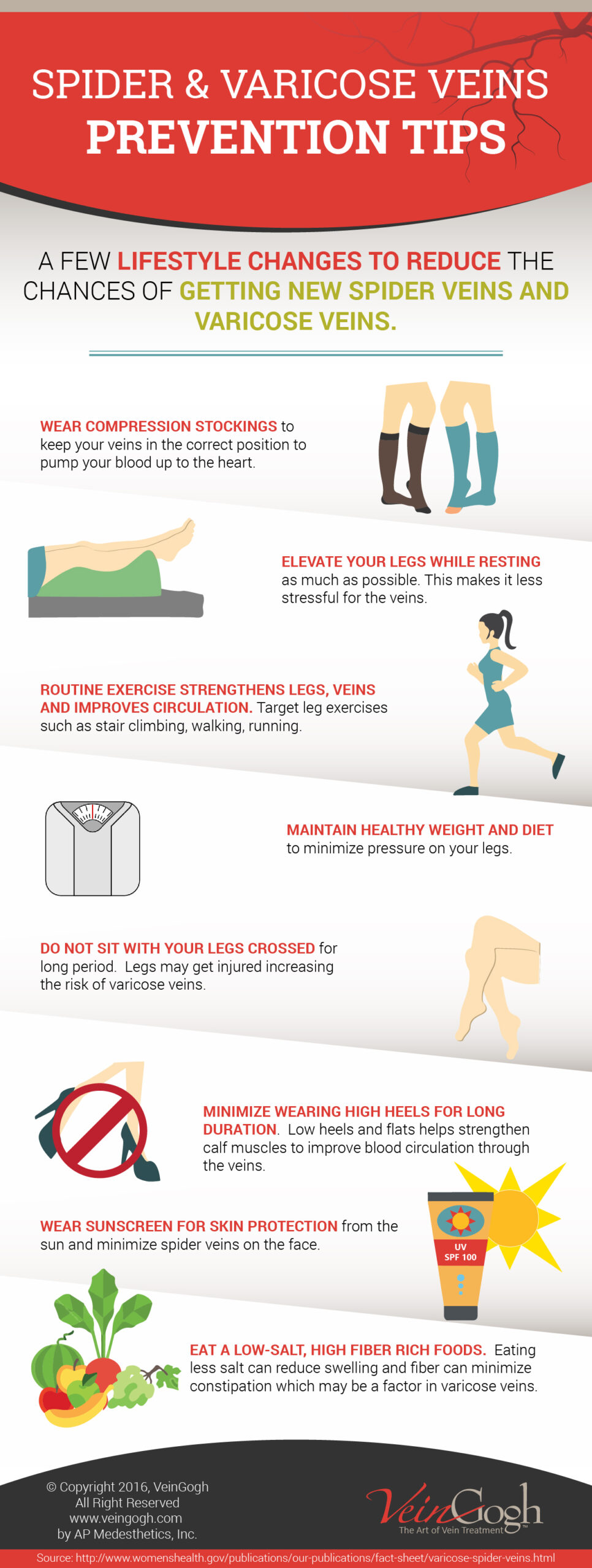
Varicose veins, those swollen and twisted blood vessels often visible beneath the skin, can be both a cosmetic concern and a potential precursor to more serious health issues. While they commonly affect the legs, their presence can extend to various parts of the body, indicating a condition that warrants attention. Thankfully, there are numerous strategies that individuals can adopt to mitigate the risk of developing varicose veins. Below, we delve into an extensive array of proactive measures to help prevent this condition, providing a comprehensive guide for those seeking healthier veins and overall vascular well-being.
1. Understand the Anatomy of Veins
Before embarking on your journey to prevent varicose veins, it is essential to grasp the fundamental structure of the venous system. Veins are equipped with one-way valves that facilitate the flow of blood back to the heart. When these valves become weakened or damaged, blood can flow backward, leading to the characteristic bulging and pain associated with varicose veins. Knowledge of this anatomy can empower individuals to take informed preventative actions.
2. Maintain a Healthy Weight
Excess weight constitutes a significant risk factor for developing varicose veins. The additional pressure that obesity exerts on the veins in the lower extremities can precipitate the onset of venous insufficiency. Achieving a balanced diet rich in fresh fruits, vegetables, whole grains, and lean proteins can aid in weight management. Regular monitoring of body mass index (BMI) can also help in maintaining a healthy weight.
3. Engage in Regular Exercise
An active lifestyle fosters optimal blood circulation and can significantly reduce the likelihood of varicose veins. Activities such as walking, cycling, and swimming are particularly beneficial for enhancing vascular health. Aim for at least 30 minutes of moderate exercise most days of the week to help strengthen the muscles that support your veins.
4. Embrace the Art of Proper Leg Positioning
Prolonged periods of standing or sitting can impede blood flow and contribute to the development of varicose veins. When seated, consider elevating your feet or taking breaks to stretch and move around. If your profession necessitates standing for long durations, shift your weight between legs and engage in small movements whenever possible to stimulate circulation.
5. Invest in Supportive Hosiery
Compression stockings offer a fashionable yet practical solution to help prevent varicose veins. These specially designed garments apply graduated pressure to the legs, enhancing blood circulation and alleviating discomfort. When selecting compression hosiery, ensure a proper fit and consult a healthcare provider for recommendations on the appropriate level of compression.
6. Optimize Your Diet
A well-rounded diet plays a crucial role in vascular health. Consuming foods rich in flavonoids, such as berries, citrus fruits, and leafy greens, can strengthen vein walls and enhance circulation. Additionally, fiber-rich foods such as whole grains and legumes can prevent constipation—a potential contributor to vein problems by exacerbating pressure within the abdominal cavity.
7. Limit Salt and Refined Sugar
High sodium and sugar intake can lead to fluid retention and subsequent swelling in the legs, thus increasing the risk of varicose veins. Opt for natural herbs and spices to season foods, and limit processed foods loaded with hidden sugars and salts. Staying hydrated also aids in flushing excess sodium from the body.
8. Avoid Tight Clothing
Wearing restrictive clothing can impede blood flow and exacerbate the development of varicose veins. Opt for loose-fitting garments that allow for unrestricted circulation. Similarly, pay attention to the fit of undergarments and opt for those that do not constrict the waist or legs.
9. Practice Healthy Habits
Cigarette smoking hinders circulation and can contribute to the degradation of vein structure. Quitting smoking can enhance overall vascular health and reduce the likelihood of varicose veins. Moreover, heed the importance of limiting alcohol intake, as excessive consumption may lead to dehydration—a condition detrimental to vein health.
10. Stay Informed about Family History
A family history of varicose veins can increase your risk, but being informed allows for proactive measures. If your relatives have experienced vein problems, consider integrating preventative strategies into your lifestyle sooner rather than later. Early awareness can make a world of difference in your longevity and vein health.
11. Seek Professional Guidance
Regular check-ups with a healthcare provider can uncover early signs of venous insufficiency, allowing for timely intervention. If you experience discomfort, swelling, or visible varicose veins, consult a specialist. They can provide tailored advice and treatment options to help you maintain optimal vein health.
In conclusion, while varicose veins may appear as a mere aesthetic concern, their development is linked to various lifestyle factors. By understanding the anatomy of veins and adopting practical prevention strategies—from maintaining a healthy weight and engaging in regular exercise to optimizing your diet and consulting professionals—you can take substantial steps to protect your vascular health. Embracing these measures not only empowers you to reduce the risk of varicose veins but also promotes overall well-being, ensuring your veins remain healthy for years to come.






Leave a Comment