When considering the allure of a chilled glass of white wine, many aficionados ponder the question of longevity. How long does white wine last in the fridge? This query doesn’t just arise from a desire to avoid waste; it delves deep into the nuances of preservation, flavor profiles, and the delicate interplay between time and temperature. Understanding the lifespan of white wine in the refrigerator unveils an intricate tapestry of chemistry and craftsmanship, revealing why this issue captivates many enthusiasts.
To navigate this topic, we must first acknowledge that white wine, unlike its bold red counterpart, is often associated with freshness and vibrancy. However, once uncorked, the clock begins to tick on this liquid elegance, making comprehension of its shelf life crucial for connoisseurs and casual drinkers alike. Here’s an exhaustive breakdown of how to approach the preservation of white wine, touching upon essential factors and their implications.
1. Types of White Wine
Before delving into specifics, it’s critical to grasp that not all white wines are created equal. Varietals such as Sauvignon Blanc or Pinot Grigio typically demonstrate a crisper, more perishable character, while others like Chardonnay may possess a greater robustness due to oak aging. These differences significantly influence shelf life following uncorking.
2. Unopened Bottles
In their unopened state, white wines enjoy a commendable shelf life. Typically, they can linger in a refrigerator for several years without significant degradation, although nuances abound in this arena. A general guideline suggests that most white wines, when stored properly, can maintain their integrity for about 1-2 years. However, premium vintages, especially those crafted for aging, may thrive for even longer, extending their flavorful journey.
3. After Opening
The moment a bottle of white wine is opened, oxygen infiltrates the delicate matrix of flavors, initiating a gradual transformation. While this process can actually enhance some wines within the initial hours, it also symbolizes the beginning of a rapid decline. The quintessential lifespan for an opened bottle of white wine is approximately 3-5 days in the refrigerator, though various factors may expedite or prolong this period.
4. Factors Affecting Longevity
Understanding the elements that influence the longevity of your white wine is paramount. Here are key considerations that can dramatically alter preservation time:
- Oxygen Exposure: The primary enemy, oxygen, catalyzes the process of oxidation, which can dull flavors and aromas. Using a vacuum pump or simply minimizing exposure can help stave off deterioration.
- Storage Temperature: A consistent cool temperature is ideal. The recommended range for white wine is between 45°F and 50°F. Fluctuations can stress the wine, diminishing its vitality more rapidly.
- Seal Strength: The cork or closure of the bottle plays an integral role. A well-sealed bottle will retain flavors longer than one with a loose or damaged cork.
5. Signs of Spoilage
As you venture beyond the typical range, familiarity with spoilage signs is essential. Notably, the transformation of white wine into vinegar is a common fate. Watch for:
- Oxidation: A browning hue or flat taste indicates that oxygen has done its work, often rendering the wine lifeless.
- Off Smells: Any sour or vinegar-like aroma can signal spoilage.
- Cloudiness: A change in clarity can hint at microbial activity, which should not be ignored.
6. Maximizing Enjoyment
To fully embrace the world of white wine, consider these strategies for enhancing enjoyment:
- Wine Charms: Utilize wine charms or labels to track how long a bottle has been open, ensuring you consume it at its prime.
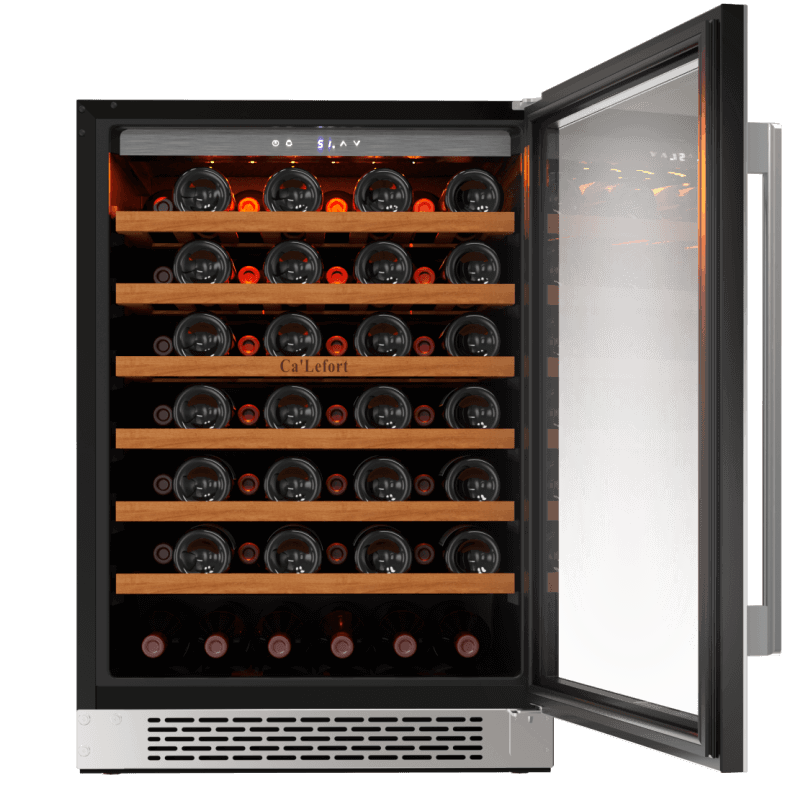
- Refrigerators vs. Cellars: If an extensive collection is present, consider investing in a wine refrigerator that regulates temperature and humidity for optimal storage.
7. Creativity with Leftover Wine
Instead of letting leftover wine go to waste, think outside the bottle. Use it in cooking to create flavorful sauces or poach fruits for dazzling desserts. This not only sidesteps waste but also translates the essence of your cherished beverage into new culinary realms.
The fascination with white wine extends beyond mere consumption; it encapsulates a broader appreciation for craftsmanship, tradition, and the intricate science behind fermentation and preservation. Recognizing how long white wine lasts in the fridge is not just an exercise in practicality; it is an exploration of taste, quality, and the zest of life. Knowing how to treat a bottle of white wine, from acquisition to preservation, allows enthusiasts to savor each sip fully, enhancing the experience with knowledge and intention.
In conclusion, the journey of white wine, from vineyard to glass, reveals the artistry and passion infused by vintners. Careful attention to storage details can ensure that your last glass is as delightful as the first, offering a perfected taste of the richness that wine brings to our lives. Enjoy responsibly, and may your encounters with white wine continue to be both enticing and enlightening.







Leave a Comment