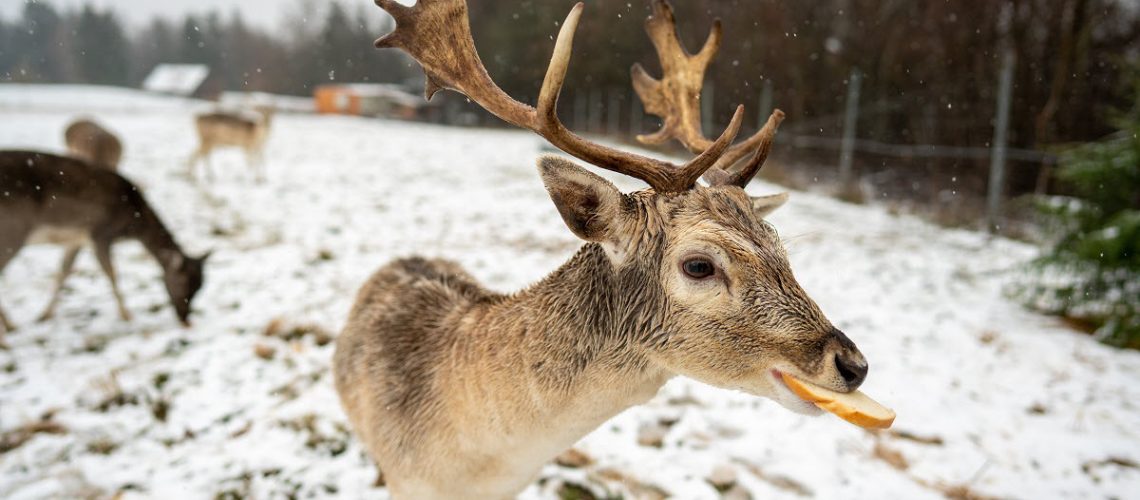
Introduction
The question of whether deer can eat bread often ignites spirited debates among wildlife enthusiasts, pet owners, and those with an interest in land management. Bread, a staple in the human diet, may seem innocuous, but its nutritional composition and effects on wildlife can be quite complex. This article delves into the multifaceted relationship between deer and bread, exploring the repercussions of bread consumption, the physiological nuances of deer digestion, and alternatives that can better serve these graceful animals.
Understanding Deer Dietary Needs
Before we consider the implications of feeding bread to deer, it’s imperative to grasp their natural dietary habits. Deer are herbivores, primarily subsisting on a diet rich in plant matter. Their feed consists of leaves, fruits, twigs, and a variety of grasses and herbs. For deer, a balanced diet contributes to healthy growth, reproductive success, and overall vitality. Each season influences their preferences, with different plants providing essential nutrients required for survival and thriving.
The Composition of Bread
When we assess bread, it is primarily composed of carbs, particularly starches. While carbohydrates are a vital energy source, bread lacks the essential fibers, proteins, vitamins, and minerals necessary for a deer’s health. The absence of these nutrients could inhibit a deer’s capability to thrive, leading to nutritional deficiencies over time. Further, the high levels of sodium and preservatives often found in commercially produced bread could pose significant risks to a deer’s health.
Potential Risks of Feeding Bread to Deer
1. Digestive Disturbances: Deer, with their specialized digestive systems, may struggle to process the dense nature of bread. Their rumen, designed for breaking down fibrous plant material, can become adversely affected, leading to gastrointestinal issues. These complications can range from mild discomfort to severe bloating, necessitating veterinary intervention.
2. Nutritional Deficiencies: While deer may initially enjoy the taste of bread, consistently feeding them this foreign food could lead to malnutrition. It lacks the necessary components to fulfill their nutritional requirements, notably in essential fats and proteins.
3. Behavioral Changes: Regular bread feeding may lead to a dependence on human-provided food sources. This would result in reduced foraging instincts, making deer more vulnerable to predators and harsh environmental conditions. Over time, this could disrupt their natural behaviors and ecological balance.
Ecological Impact of Feeding Wild Deer
Alternatives for Feeding Deer
Instead of offering bread, there are several more suitable options to consider. These alternatives align more closely with deer’s natural dietary habits and nutritional needs:
1. Hay and Silage: Providing hay, particularly alfalfa or grass hay, offers deer the fibrous nutrition they naturally consume. Silage, a fermented forage, can also be an excellent supplemental feed, especially in winter.
2. Grains: Whole grains, such as oats or corn, may serve as enriching supplements, though these should not constitute the majority of their diet. They are good sources of energy but should be given in moderation alongside more natural food sources.
3. Fruit and Vegetables: Apples, carrots, and other fruits and veggies can be enticing treats, delivered in moderation. These provide beneficial nutrients and hydration, though they should not replace the deer’s primary food sources.
4. Natural Browse: Maintaining an environment rich in diverse vegetation can keep deer foraging naturally. Encouraging native plant growth helps sustain these creatures while promoting a balanced ecosystem.
Feeding Practices to Consider
If you find it necessary to feed deer, there are guidelines to follow to minimize harmful effects:
1. Limit Frequency: If providing supplemental food, do so sparingly to avoid habituation and dietary issues. Allow deer to benefit from their natural forage.
2. Avoid Processed Foods: Avoid feeding any human-made and processed foods like chips or snacks. Stick to natural alternatives.
3. Provide Clean Sources: Ensure that any food offered is clean and free from mold, as spoiled food can lead to additional health risks for deer.
Conclusion
The allure of offering bread to deer may stem from the desire to connect with wildlife, but the consequences can be detrimental to these majestic animals and their ecosystems. By understanding the inherent dietary needs of deer and opting for appropriate alternatives, we can support their health and well-being while preserving the delicate balance of nature. Embracing responsible and informed practices fosters a deeper appreciation for these creatures and enhances our role as conscientious stewards of the environment.








Leave a Comment