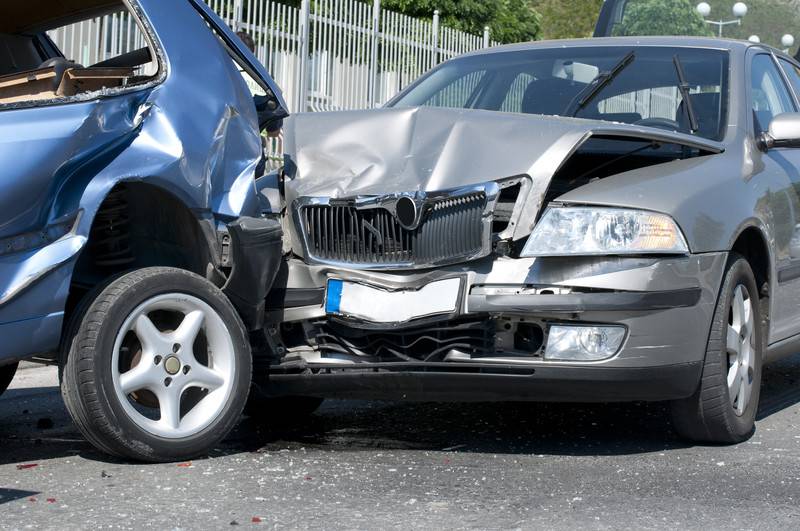
Picture this: you’re cruising along a quiet street on a sunny afternoon, when suddenly, with a jolt, your vehicle collides with another. You glance back, perhaps catching a glimpse of the other driver, but the impulse to flee is overwhelming. This momentary lapse in judgment can spiral into a grave legal predicament. But in the quest to understand the severity of such a scenario, one may ponder, “Is hit and run a felony?” This question unveils a labyrinth of legal nuances surrounding traffic laws, personal accountability, and the societal implications of driving offenses.
In order to decipher the complexities of hit and run incidents, it’s essential to explore the definitions, the variations in law from state to state, and the potential repercussions of this egregious act. As we navigate this intricate topic, we must also reflect on the moral obligation that accompanies driving—an obligation that extends beyond the mechanical functionality of a vehicle into the realm of ethical conduct.
1. Defining Hit and Run
At its core, a hit and run refers to a vehicular accident where the driver involved flees the scene without providing their information or aiding the distressed party. Most jurisdictions classify this offense based on the circumstances of the incident, such as whether it resulted in injury, death, or property damage. The gravity of the consequences can vary significantly depending on the particulars of the situation—an important criterion not to overlook.
2. Legal Classification of Hit and Run
To ascertain the severity of a hit and run charge, one must consider two classifications often employed by legal systems: misdemeanors and felonies. In many states, if the hit and run results only in property damage, it may be classified as a misdemeanor, typically attracting lesser penalties, including fines and possible incarceration. However, if injuries are sustained or, worse yet, a fatality occurs, the offense indeed escalates to a felony charge, imposing substantial penalties, including prolonged imprisonment and hefty fines.
3. Variance Across States
The rules regarding hit and run incidents can differ drastically based on regional statutes. For instance, states like California impose severe penalties for even minor hit and run offenses. Contrarily, some states may exhibit more leniency for first-time offenders. Navigating this legal landscape is akin to traversing a legal minefield, where ignorance can lead to devastating consequences. It is crucial for drivers to familiarize themselves with local laws to avoid unwittingly committing an offense.
4. Consequences of a Hit and Run
Understanding the potential repercussions of committing a hit and run can serve as a formidable deterrent. When classified as a felony, the penalties can be draconian. Individuals may face significant jail time—often exceeding one year—alongside rigorous fines that could elevate into the thousands. Additionally, a felony conviction has long-lasting implications beyond incarceration, potentially affecting employment opportunities, housing prospects, and the ability to obtain loans. The invisible scars of a hit and run incident can extend far beyond the immediate aftermath.
5. The Role of Insurance
Insurance dynamics play a pivotal role in hit and run scenarios. In many jurisdictions, drivers are legally obligated to carry minimum levels of insurance. Fleeing the scene complicates matters for all parties involved, often resulting in the victim facing financial burdens. However, uninsured motorist coverage can mitigate some damages for victims, enabling them to seek compensation despite one party’s egregious conduct. Navigating the intricate relationship between legal consequences and insurance responsibility is imperative for all drivers.
6. Ethical Considerations and Moral Duty
Beyond the legal ramifications lie ethical imperatives. The act of fleeing the scene raises profound questions about accountability and moral responsibility. Society generally expects drivers to adhere to a standard of care that prioritizes the safety and well-being of others. A failure to meet this standard can tarnish one’s reputation and infringe upon the trust inherent in community living. The notion of a “social contract” emerges, where individuals must weigh their actions against their civic duties.
7. Seeking Legal Representation
In the unfortunate circumstance of being involved in a hit and run incident—whether as a perpetrator or a victim—seeking legal representation is paramount. Qualified attorneys can navigate the convoluted landscape of traffic laws and help individuals understand their rights. Having a seasoned legal advocate can help demystify the complex court proceedings that often accompany these charges, ensuring that justice is pursued effectively and equitably.
Conclusion
As we draw this discussion to a close, the ponderance of whether hit and run constitutes a felony is, undoubtedly, a multifaceted issue. To summarize, the classification of such an incident hinges upon the circumstances surrounding it—from the existence of injuries to the state in which it occurs. The legal landscape is fraught with complexity, and the consequences for anyone involved in a hit and run can be dire. Ultimately, understanding the nuances of these offenses can empower drivers to make informed decisions—not just for their sake but for the safety and welfare of all road users. After all, what may seem like a fleeting moment can irrevocably alter lives and define futures in the blink of an eye.











Leave a Comment