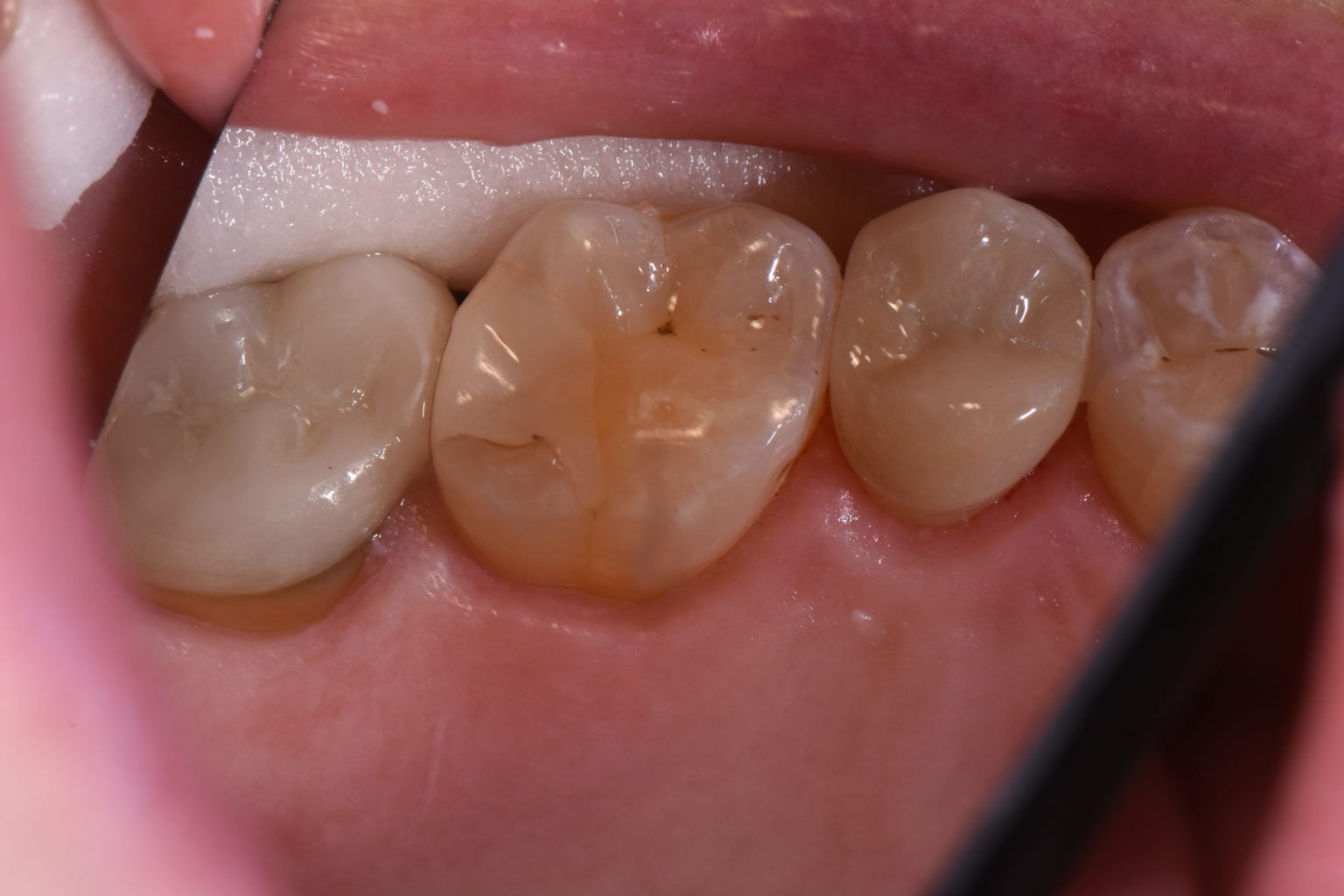
Have you ever wondered what keeps your dental crown securely anchored in your mouth? It’s a question many might overlook, yet it plays a crucial role in the longevity and functionality of dental restorations. Whether you’re a dental enthusiast or someone navigating the complexities of restorative dentistry, understanding dental glue for a crown can be both enlightening and pivotal. This article will delve into the materials, methods, and implications surrounding dental crown adhesives, examining their significance in oral healthcare.
When a patient undergoes restorative dental work, such as receiving a crown, the bonding process is critical. The adhesive—often referred to as dental glue—acts as a unifying agent between the crown and the natural tooth structure. But what exactly is in this dental glue, and why is it such an essential component? Let’s embark on a journey through the varieties of dental adhesives, their applications, and considerations.
Understanding Dental Adhesives
Dental adhesives can be categorized into various types, each possessing unique properties that influence their effectiveness. At the core, there are two primary categories: temporary and permanent adhesives. Temporary adhesives, as the name suggests, provide a short-term solution, ideal for crowns placed during multi-stage procedures. In contrast, permanent adhesives create a robust bond intended for long-lasting use.
1. Temporary Adhesives
- Usually made from a combination of eugenol and zinc oxide, these materials are designed for easy removal. When a crown is temporarily positioned, the adhesive allows for adjustments and necessary future treatments.
- They offer lower strength and adhesion compared to permanent adhesives, making them suitable for short-term applications.
2. Permanents Adhesives
- Permanent dental adhesives can be further divided into resin cements and glass ionomer cements, each with its set of advantages.
- Resin cements, known for their superior bond strength, are often a preferred choice for restorations requiring intricate bonding, particularly in areas subjected to significant stress.
- Glass ionomer cements release fluoride, offering additional decay resistance and a smoother integration with dental structures.
Application Techniques
The application of dental adhesives demands meticulous precision. Dentists use various techniques to ensure that the crown is bonded effectively. Proper tooth preparation, cleaning, and the correct application of the adhesive are paramount.
1. Tooth Preparation
- The crown area must be thoroughly cleaned and prepared to promote optimal adhesion. This often involves etching the surface of the tooth with an acid to create micro-retentive structures.
2. Adhesive Application
- The adhesive must be evenly distributed on both the crown and the prepared tooth surface. This ensures a uniform bond that is resistant to various forces encountered in daily activities such as chewing.
Challenges in Crown Adhesion
- Poor Surface Preparation: Failing to adequately clean or prepare the tooth can compromise the bond, leading to premature crown failure.
- Moisture Control: The presence of saliva or blood during the adhesive application can significantly reduce bond strength.
- Incorrect Material Selection: Using an adhesive that is not compatible with the crown material can result in inadequate bonding.
Importance of Professional Application
While temporary crown adhesives are accessible for at-home use, professional application of dental adhesives is typically recommended for permanent crowns. Dentists have the expertise and resources to mitigate risks and ensure effective bonding. DIY attempts to apply crowns can lead to complications, emphasizing the necessity of relying on skilled professionals.
Aftercare and Maintenance
Once the crown has been successfully placed, maintaining the adhesive bond is essential for longevity. Here are some considerations:
- Regular dental check-ups are crucial. Dentists can monitor the integrity of the bond and assess any wear or damage.
- Practicing good oral hygiene can prevent decay around the crown edges, thereby enhancing the lifespan of the adhesive bond.
- It is advisable to avoid overly hard or sticky foods, especially shortly after receiving the crown, to reduce stress on the adhesive bond.
Conclusion
Dental glue for a crown is more than just a sticky substance; it represents the intricate marriage between the restoration and your natural tooth. By exploring the types of adhesives, application techniques, potential challenges, and the importance of professional dental care, you are better equipped to navigate the complexities of dental crown procedures. Understanding these aspects not only leads to improved oral health but also empowers you to take an active role in your dental care journey. After all, a well-placed crown is a small victory in the larger battle for dental excellence!








Leave a Comment