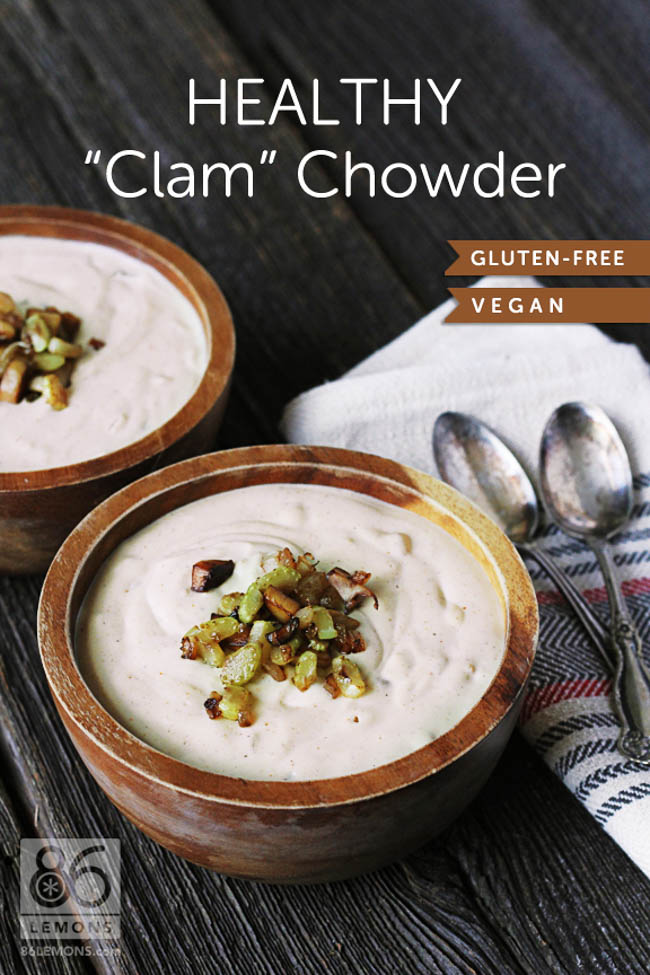
Clam chowder, with its creamy texture and hearty flavors, has become a beloved staple in many coastal kitchens. Originating from New England, this dish is celebrated for its rich history and comfort food appeal. However, as culinary preferences evolve and health consciousness rises, one pressing question inevitably surfaces: Is clam chowder healthy? This article delves into various facets of clam chowder, exploring its nutritional profile, variations, potential benefits, and considerations to help you determine its place in a balanced diet.
1. Understanding Clam Chowder: A Brief Overview
At its core, clam chowder is a soup made from clams and other ingredients, traditionally including potatoes, onions, milk, and butter. There are several regional variations, the most famous being New England clam chowder, characterized by its creamy base, and Manhattan clam chowder, which substitutes the cream with a tomato broth. Each version offers a different flavor profile, thereby impacting the healthfulness of the dish.
2. Nutritional Breakdown
The healthfulness of clam chowder greatly depends on its ingredients and preparation method. A standard serving of New England clam chowder (about 1 cup) contains:
- Calories: Approximately 200-300 calories, depending on the specific recipe and ingredients used.
- Protein: Clams are an excellent source of lean protein, offering around 15-20 grams per serving, which is essential for muscle repair and growth.
- Fat: The creamy nature contributes to a higher fat content, typically between 10-15 grams, which includes both saturated and unsaturated fats.
- Carbohydrates: With potatoes included, a serving provides around 25-30 grams of carbohydrates, offering a source of energy.
- Sodium: Many recipes include salted ingredients, leading to a sodium content of 800 mg or more, which may be a concern for those watching their salt intake.
Additionally, clams are rich in essential vitamins and minerals, especially vitamin B12, iron, and omega-3 fatty acids, contributing to overall health and wellness.
3. Health Benefits of Clam Chowder
While individual results may vary, clam chowder can offer several health benefits:
- High in Nutrients: Clams are packed with nutrients. Being one of the best sources of vitamin B12, they play a critical role in nerve function and the production of DNA and red blood cells.
- Source of Omega-3 Fatty Acids: These essential fats are known for their anti-inflammatory properties and support heart health. Including clam chowder in your diet can contribute to your omega-3 intake.
- Protein-Rich: The protein content from clams can help with satiety, making it a filling meal that may reduce the likelihood of unnecessary snacking later.
- Comfort and Satisfaction: Beyond nutritional value, the creamy, comforting nature of clam chowder can elevate mood and provide psychological benefits, particularly during colder months.
4. Considerations and Drawbacks
However, clam chowder is not without its caveats. Several factors can influence its overall health quotient:
- High Caloric and Fat Content: If you’re watching your calorie intake or fat consumption, particularly saturated fat, traditional chowder recipes could pose a challenge. Many also contain heavy creams and butter.
- Sodium Levels: As noted, clam chowder can be relatively high in sodium. Individuals with hypertension or certain heart conditions should be cautious of their sodium consumption and may opt for lower-salt versions.
- Allergies and Dietary Restrictions: Shellfish allergies are common; therefore, those with sensitivities must avoid clam chowder entirely. Furthermore, lactose intolerance may prohibit enjoyment of the creamy versions.
5. Healthier Alternatives and Variations
Fortunately, there are several alternatives and adaptations that make clam chowder healthier without sacrificing flavor:
- Healthier Bases: Substituting whole milk or cream with plant-based milk alternatives (like almond or oat milk) can reduce calorie and fat content.
- Lower Sodium Options: Homemade clam chowder allows for better control over sodium levels. Opting for fresh ingredients and unsalted broth can help tailor the dish to your needs.
- Vegetable Additions: Pump up the nutritional value by incorporating more vegetables, such as kale or spinach, boosting fiber and vitamin content.
- Whole Grain Elements: Instead of using heavy potatoes, consider using whole grains like barley or quinoa for a unique and nutritious twist.
6. Conclusion: Clam Chowder in Moderation
In conclusion, clam chowder can be both a delightful indulgence and a part of a nutritious diet, provided it is enjoyed in moderation and prepared thoughtfully. With its rich history and comforting essence, this dish certainly has a place on many dining tables. By understanding its nutritional elements, potential health benefits, and making informed choices regarding its preparation, you can relish in this culinary classic while still prioritizing your health.
Ultimately, whether you’re drawn to its luxurious taste or its nutrient profile, clam chowder remains a dish that invites culinary creativity and enjoyment while offering a nuanced perspective on health. Embrace it as part of a balanced diet, and perhaps it will become a cherished staple in your own kitchen.










Leave a Comment