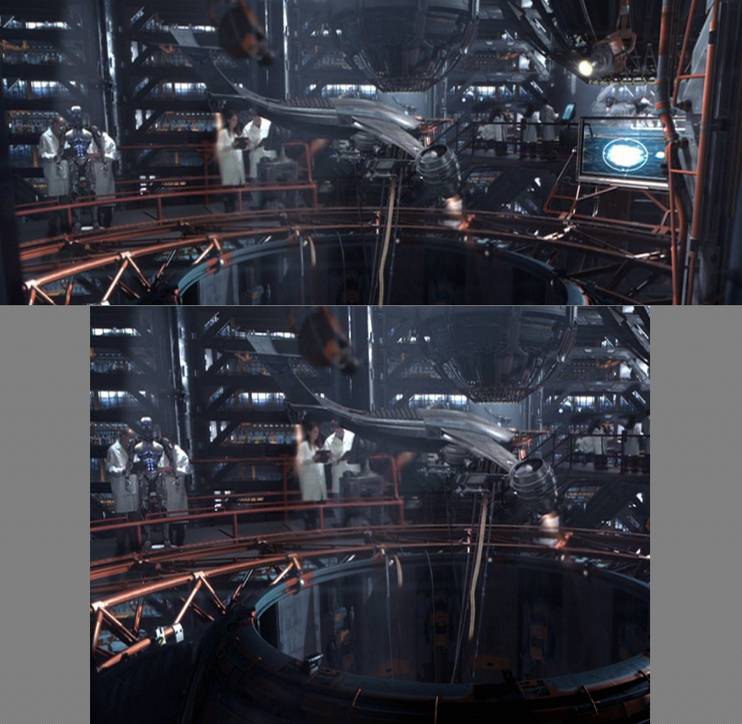
In an age where streaming has revolutionized the way we consume media, the DVD format, particularly the debate surrounding Side A Full Screen versus Side B Widescreen, remains a topic of fervent discussion among cinephiles. It is a contention that taps into broader themes of personal preference, aesthetic values, and the technological evolution of visual media. This exploration offers a nuanced perspective on why this dichotomy continues to fascinate audiences, even in an era dominated by high-definition offerings.
1. Understanding the Formats
The crux of the debate lies in the fundamental differences between full-screen and widescreen formats. Full-screen DVDs (often referred to as “pan and scan”) adapt a film’s original widescreen aspect ratio—typically 1.85:1 or 2.35:1—to fit a standard television screen, resulting in a cropped version of the image. Conversely, widescreen DVDs maintain the film’s authentic aspect ratio, presenting it as envisioned by the director. While both formats aim to bring cinematic experiences into the home, their methodologies diverge significantly.
2. Aesthetic Appreciation
At its core, the preference for widescreen DVDs often stems from a deeper appreciation of the art of filmmaking. The widescreen format utilizes the expansive canvas inherent in cinema, allowing for visual storytelling that incorporates composition, depth, and character positioning in a manner that full-screen cannot replicate. The meticulous framing utilized by directors in sprawling landscapes or detailed environments often loses its impact when adapted to a constricted full-screen format. This compression not only distorts the filmmakers’ intent but may also compromise the immersion essential to the viewing experience.
3. The Emotional Impact of Viewing Experience
The emotional resonance of films often hinges on their visual presentation. A film shot in widescreen employs wide shots and panoramic visuals to evoke a sense of scale and grandeur that resonates with audiences on a visceral level. Consider epics such as “Lawrence of Arabia” or sci-fi marvels like “Blade Runner.” The broad vistas and expansive character arcs that these films offer can compel viewers to experience the story on a grander scale, fostering a more profound emotional connection. Full-screen adaptations predominantly strip away those sweeping visuals, often resulting in a constricted narrative experience.
4. The Technological Context
The advent of high-definition television and 4K formats has rendered the distinction between full-screen and widescreen content more pronounced than ever. With viewers increasingly equipped with wider screens capable of displaying intricate visual details, the full-screen format may seem antiquated and spartan. In contemporary home theaters, the vastness of widescreen presentation aligns with the capabilities of modern display technology, providing sharper images that showcase the meticulous craftsmanship of cinematography. As audiences become accustomed to these advancements, the allure of full-screen diminishes in its relevance and appeal.
5. Nostalgia and Personal Connection
Despite the technological advancements and artistic arguments for widescreen formats, the allure of the full-screen option remains palpable for many viewers. Often, this can be attributed to nostalgia. Older generations raised on television sets that dominated home entertainment in the 20th century often gravitate towards full-screen DVDs, where films were customized to overshadow the black bars on screens. The full-screen format may evoke memories of family movie nights, thereby establishing a sentimental connection that transcends the visual constraints of the medium.
6. The Demographics of Preference
The preference for one format over another often correlates with demographic factors such as age, cultural background, and viewing habits. Younger viewers, often more knowledgeable about visual technology and cinematic techniques, may favor widescreen as they seek optimal aesthetic experiences. On the other hand, older audiences might cling to full-screen formats out of familiarity. This demographic stratification provides a fascinating glimpse into how personal history influences media consumption preferences.
7. The Role of Genre in Format Preference
The type of film can also dictate which format may be better suited to the viewer’s experience. Action-packed blockbusters and visually driven narratives, such as animated features, benefit enormously from the widescreen format. The expansive visuals heighten the thrill and grandeur of action sequences. Conversely, more intimate dramas might resonate just as well in full-screen, catering to a more concentrated focus on dialogue and character development. These genre-based subtleties suggest that rather than one format being universally superior, a hybrid approach can satisfy a spectrum of viewing preferences.
8. Conclusion: The Subjectivity of Preference
Ultimately, whether one prefers Side A Full Screen or Side B Widescreen rests on a complex interplay of artistic admiration, emotional engagement, historical context, and personal inclinations. The fascination with this debate goes beyond mere format choice; it encapsulates the essence of how we engage with stories and what they mean to us. Each format represents a divergent path through the same narrative landscape, encouraging viewers to explore their connections with cinema on both visual and emotional levels. Acknowledging the depth of this choice invites reflection on our viewing experiences and the myriad factors that shape them, reinforcing the notion that in film, much like in life, preference is as multifaceted as the stories we cherish.










Leave a Comment