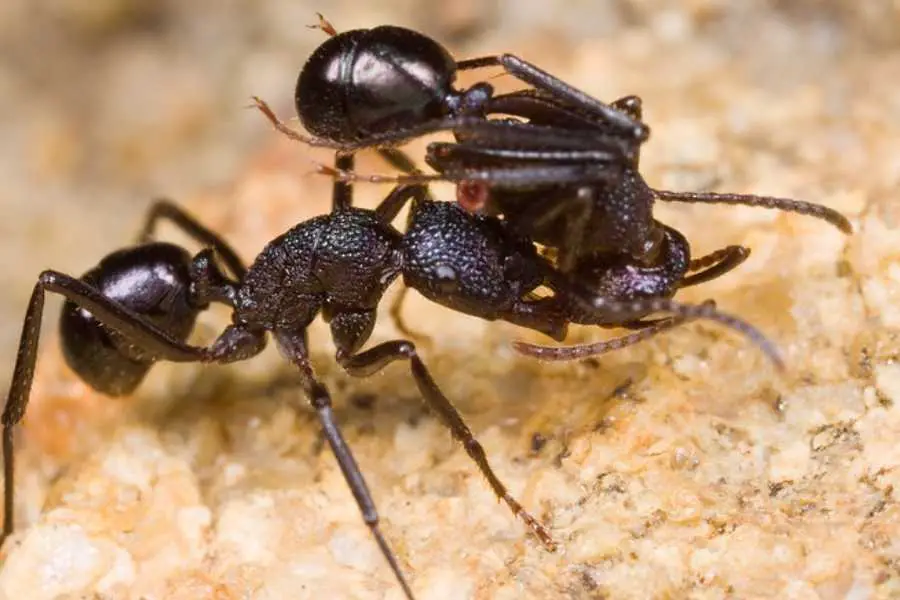
Ants are industrious creatures, forming complex societies that rival even the most organized human communities. One of the most intriguing behaviors observed in these tiny architects of nature is their propensity to carry dead ants. While this might seem perplexing at first glance, a deeper exploration reveals a variety of motivations and biological imperatives that govern this behavior. Let us delve into the multifaceted reasons behind why ants engage in this fascinating activity.
1. The Role of Necrophoresis
One of the primary explanations for ants carrying their deceased companions is a behavior termed necrophoresis. This term, derived from the Greek words “necro” meaning dead, and “phoresis” meaning to carry, describes a ritualistic process wherein ants remove dead bodies from their colonies. This act serves several significant purposes. Firstly, by efficiently disposing of dead ants, colonies minimize the potential spread of disease or pestilence, thereby protecting the overall health of the community. In a world where they are susceptible to pathogens, this instinctual behavior ensures their survival.
2. Maintaining Hygiene in the Colony
Hygiene is paramount in any societal structure, and ant colonies are no exception. The presence of cadavers can attract unwanted scavengers and create unsanitary living conditions. By removing these dead bodies, ants actively promote a cleaner environment. Colonies often designate specific areas, often referred to as “graveyards,” outside their nest where they deposit the remains. This ensures that pathogens do not linger within their living quarters, further enhancing the colony’s health and longevity.
3. Chemical Communication
Ants communicate with each other through pheromones—chemical signals that convey a variety of messages, including alarm, food sources, and distress. When an ant dies, its body emits specific chemical signals that alert other colony members to its demise. These signals trigger the necrophoric behavior and facilitate the removal process. This remarkable use of pheromones is an excellent example of how these insects maintain their social structure and respond to changes in their environment. It highlights their reliance on chemical cues to enact community-wide actions that benefit the entire colony.
4. Social Structure and Division of Labor
Ant colonies operate with a sophisticated division of labor. Different castes within the ant hierarchy—workers, soldiers, and queens—each play specific roles that contribute to the colony’s efficiency. Workers are typically tasked with the responsibility of carrying away dead ants. This collective effort underscores the importance of collaboration in their societies, where every individual’s contribution is vital to the colony’s well-being. Ants demonstrate a learned behavior; younger workers may be taught this vital responsibility from their older counterparts, ensuring that knowledge is passed down through generations.
5. The Evolutionary Perspective
From an evolutionary standpoint, necrophoric behavior can be viewed as a significant adaptive trait. Species that effectively manage their dead increase their chances of survival, leading to greater reproductive success. This behavior can also act as a natural selection mechanism, where those colonies that exhibit robust waste management strategies outperform others. Over time, this behavior becomes deeply ingrained within the species’ genetic makeup, highlighting the intricate relationship between survival and behavior.
6. Predator Avoidance
Another compelling reason behind this behavior relates to predation. The presence of dead ants can attract opportunistic predators or scavengers, potentially placing the entire colony at risk. By swiftly removing their deceased comrades, ants not only protect their colony from the dangers posed by predators but also maintain a discreet status quo. A colony that appears undisturbed and free of the stench of death is less likely to entice unwanted attention, ensuring their continued survival.
7. Psychological Insights into Ant Behavior
A fascinating avenue of study relates to the psychological aspects of ant behavior. While it’s debatable whether ants possess consciousness in the way that mammals do, their behaviors suggest an innate understanding of life within the colony. Engaging in necrophoresis could be regarded as a manifestation of their instinctual drive to consider the entire colony as a single entity rather than individual organisms. This interconnectedness allows ants to act in ways that promote collective well-being over personal survival, fostering a culture of cooperation.
8. Implications for Ecosystems
The actions of ants, particularly their habit of carrying dead individuals, extend beyond their colonies and have broader implications for ecosystems. Their scavenging habits facilitate decomposition, releasing nutrients back into the soil. This process helps in the recycling of organic material and promotes plant health, ultimately sustaining a balance in the ecosystem. Ants, through their unique behaviors, contribute significantly to maintaining ecological equilibrium.
In conclusion, the act of ants carrying dead ants is a vital behavior that offers profound insights into their social structure, communication, and evolutionary strategies. From preserving hygiene within the colony to engaging in predator avoidance and nurturing the ecosystem, this behavior exemplifies the remarkable intricacies of ant life. Understanding these dynamics not only enriches our appreciation for these tiny engineers but also sheds light on the intricate threads that bind nature together. Ants, in their simple yet complex ways, remind us of the delicate balance that sustains life on our planet.










Leave a Comment