Styrofoam, commonly known by its trademark name, is a ubiquitous yet often overlooked material found in countless products, from takeout containers to packaging materials. Its lightweight and insulating properties make it an appealing choice, but its environmental impact is profound. As society becomes increasingly aware of the urgency to tackle waste, understanding how to dispose of Styrofoam responsibly becomes crucial. This article delves into the myriad of sustainable options for disposing of this pervasive material, encouraging a broader consideration of our ecological footprint.
Understanding Styrofoam
Styrofoam, technically polystyrene, is a synthetic polymer derived from petroleum. Its low density and insulation capabilities have made it a staple in numerous applications. However, because of its durability—Styrofoam can persist in the environment for hundreds of years—disposal poses significant challenges. Traditional waste disposal methods often lead to Styrofoam accumulating in landfills, where it neither decomposes nor readily breaks down. Examining alternative disposal methods not only aids in environmental conservation but also enlightens consumers on their purchasing choices.
1. Check Recycling Programs
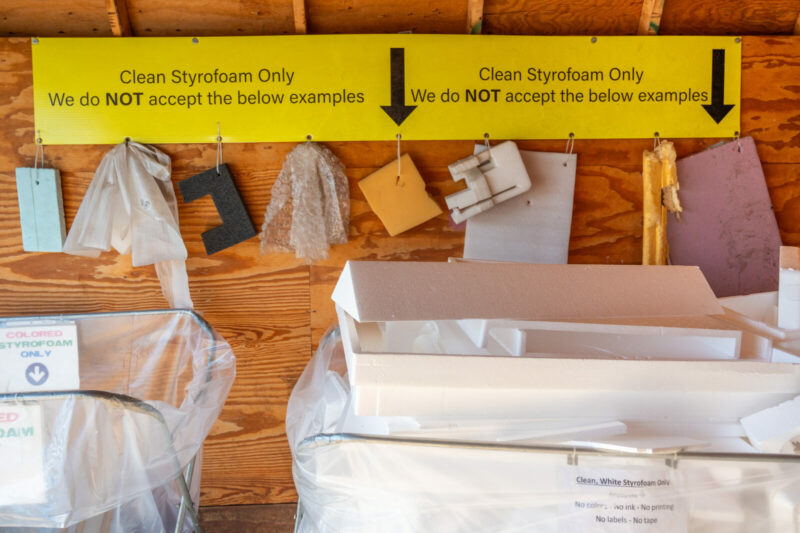
Before discarding Styrofoam, investigate local recycling initiatives. Some municipalities have specific programs dedicated to polystyrene. Facilities equipped to process Styrofoam can recycle it into new products, such as insulation boards or even new containers. Examine local directory resources or municipal websites to determine if your area maintains a Styrofoam recycling program. If so, adhere to their guidelines, as clean, uncontaminated Styrofoam is typically accepted.
2. Participate in Collection Events
Many communities organize special collection events for materials that are not typically accepted in curbside bins. These events often include Styrofoam recycling. Engage with community bulletin boards, social media groups, or local environmental organizations to track these opportunities. These events serve as an exciting avenue for communal participation while promoting sustainable behavior.
3. Find Specialized Recycling Centers
Specialized recycling centers often exist in larger cities, specifically designed to accept materials like Styrofoam. A quick online search can lead you to these facilities. Before visiting, call to confirm that they accept Styrofoam, as acceptance policies can fluctuate. Upon arrival, ensure the Styrofoam is clean and free of contaminants like food residue or labels to facilitate the recycling process effectively.
4. Reuse Styrofoam
Rather than seeing Styrofoam solely as waste, consider its potential for reuse. Styrofoam blocks can serve as excellent insulation for gardening, helping to regulate temperature in garden beds. Additionally, cut-up pieces can function as lightweight filling material for crafting projects. Embracing a mindset of reusability encourages creativity while minimizing waste.
5. Composting Alternatives
While traditional composting does not accept Styrofoam, alternatives have emerged to assist in combating waste. Some innovative organizations are employing processes like chemical recycling that break down Styrofoam into its original materials, paving the way for a circular economy. Stay attuned to developments and local initiatives that focus on chemical recycling solutions, contributing to a more sustainable future.
6. Dispose of Last Resort: Landfills
When all else fails and disposal is necessary, landfilling remains an option. However, consider this the last resort. Before placing Styrofoam in the garbage, ensure it is as compact as possible to minimize space usage in landfills. Be mindful that while this may seem like a practical solution, it perpetuates the lifecycle of plastic pollution. Strive to prioritize all other disposal methods before resorting to the landfill.
7. Lobby for Better Practices
Take an active role in advocating for better management of Styrofoam waste within your community. Reach out to local representatives, urging the implementation of comprehensive recycling programs or bans on Styrofoam products. Lobbying influences policy changes that can lead to broader systemic shifts towards more sustainable practices. When communities unite for a common cause, they wield significant power in eliciting change.
8. Educate and Raise Awareness
Knowledge is power, and by educating others about the detrimental effects of Styrofoam, you can extend sustainable practices to your friends and family. Host workshops or discussions about waste management methods, emphasizing the importance of responsible disposal. Utilize social media to disseminate information and create a ripple effect, motivating others to reconsider their relationship with Styrofoam.
Conclusion
Disposing of Styrofoam necessitates a multifaceted approach, informed by community resources and individual responsibility. From recycling initiatives to advocating for systemic change, the collective efforts can significantly diminish the adverse effects of Styrofoam on our environment. By shifting our perspectives and employing innovative waste management strategies, we not only mitigate pollution but also inspire future generations to embrace sustainable practices. The journey towards ecological responsibility begins with conscious choices—let us be the pioneers of change.










Leave a Comment