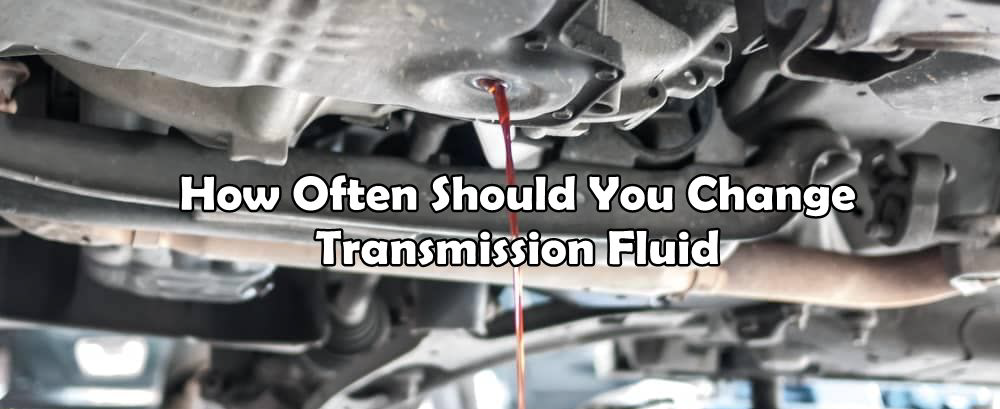
Understanding the optimal frequency for changing your vehicle’s transmission fluid is not merely a matter of routine maintenance; it touches upon the intricate workings of your automobile and the longevity of its performance. Transmission fluid plays a crucial role in ensuring that the gears within the transmission shift smoothly, reducing friction and preventing overheating. However, many car owners remain perplexed about the exact intervals for fluid replacement. This article delves into the nuances of transmission fluid, examining the factors that influence change schedules and providing comprehensive guidelines for car aficionados and casual drivers alike.
At the core of the inquiry lies a pivotal question: How often should you change your transmission fluid? The answer is not one-size-fits-all, as it varies significantly based on several key considerations. Firstly, one must take into account the manufacturer’s recommendations, typically found in the owner’s manual. Most vehicles suggest changing the fluid every 30,000 to 60,000 miles, but let’s explore the deeper implications of this guideline.
Understanding Transmission Fluid
Transmission fluid is an essential component of an automatic transmission system. It serves multiple purposes: lubricating vital parts, enabling the operation of hydraulic systems, and facilitating smoother gear shifts. The chemical composition of this fluid can vary, with different types designed for specific vehicle applications. Over time, factors such as heat, mechanical shear, and contaminants lead to the degradation of the fluid, diminishing its effectiveness.
Manufacturer Recommendations
The first place to consult for guidance on transmission fluid change intervals is your vehicle’s owner manual. Manufacturers typically provide a recommended schedule tailored to the specifications of the car. Importantly, these guidelines are formulated based on extensive testing and consider the ideal operating conditions. Consequently, they serve as a foundational rule for routine maintenance. Yet, real-world conditions may necessitate a more proactive approach.
Driving Conditions
Analyzing your driving habits is paramount in determining appropriate fluid change intervals. If you frequently navigate through stop-and-go traffic or engage in city driving, you subject your transmission to more strain than when driving on the open highway. This increased thermal cycling can accelerate fluid degradation. Similarly, if you often carry heavy loads or tow trailers, the transmission fluid may experience elevated temperatures, warranting an earlier change. In such circumstances, it may be prudent to reduce the interval to every 20,000 to 30,000 miles to preserve the integrity of the transmission system.
Fluid Color and Consistency
A hands-on approach to monitoring the health of your transmission fluid can be enlightening. Regularly check the color and texture of the fluid. Fresh transmission fluid is typically a vibrant red, becoming darker with time as it gathers contaminants. If the fluid appears brown or has a burnt smell, it’s a harbinger of trouble, indicating a critical need for immediate replacement. Additionally, any presence of grit or particles within the fluid suggests that the transmission is wearing down, meriting an urgent change to avert further damage.
Symptoms of Fluid Degradation
The astute driver will be attuned to the car’s performance indicators. Certain symptoms may suggest that the transmission fluid has outlived its effectiveness. Hesitation or slippage during gear shifts, an unusual whining sound from the transmission, or the appearance of warning lights on the dashboard can all point to fluid-related issues. Such symptoms should not be overlooked, as they can lead to more severe mechanical failures if ignored. In these cases, immediate fluid replacement is advisable, regardless of the mileage.
Transmission Service Types
Not all transmission fluid changes are created equal. There are generally two types of services available: a simple fluid change and a complete transmission flush. The former merely drains the old fluid and replaces it with new, while the latter entails removing all old fluid, including that trapped in the torque converter and cooler lines. The more thorough flush can be advantageous, especially if the fluid has become heavily contaminated. Therefore, understanding the appropriate service type for your vehicle and driving conditions will ensure optimal transmission function.
Impact of Transmission Fluid Change on Vehicle Longevity
Regular maintenance, including timely fluid changes, has a profound impact on the longevity and performance of your vehicle. Changing the transmission fluid not only preserves the operational integrity of the transmission system but also enhances fuel efficiency. A well-maintained transmission can operate more smoothly, thus requiring less energy for effective gear shifts. Consequently, this maintenance can yield significant savings over a vehicle’s lifespan.
Conclusion
Determining how often you should change your transmission fluid is not merely a mechanical consideration; it is a multifaceted inquiry that involves understanding your vehicle, its recommended maintenance practices, and your unique driving conditions. By heeding manufacturer guidelines, assessing fluid condition, and remaining cognizant of driving habits, you can safeguard the health of your transmission and enhance the longevity of your vehicle. Ultimately, regular maintenance not only improves performance but also deepens your connection to an intricate machine that has become an essential part of modern life.









Leave a Comment