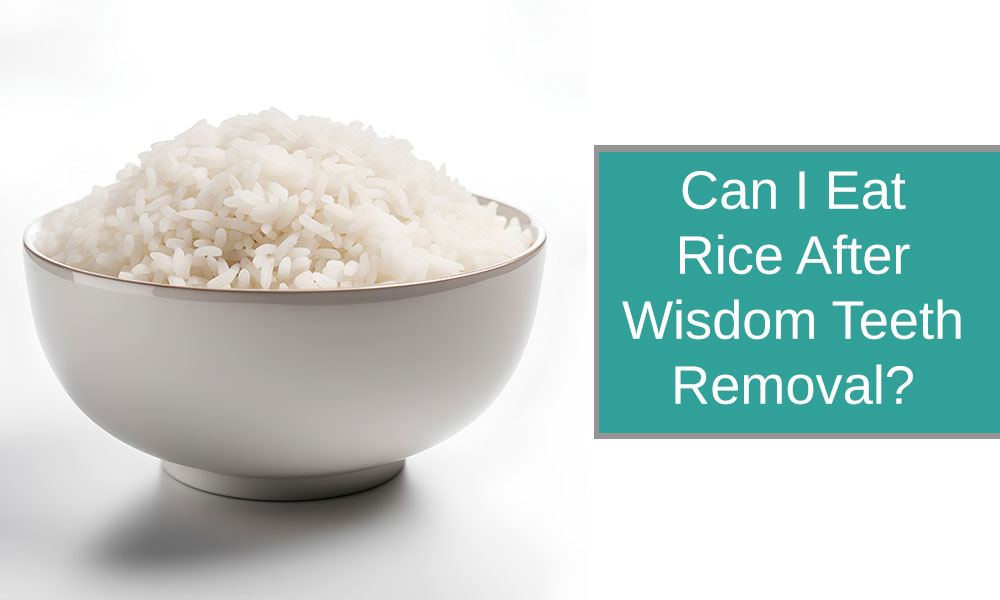
Wisdom teeth removal is a common surgical procedure that many individuals undergo, often transitioning them into a temporary state of discomfort and dietary adjustments. As the body responds to the trauma of surgery, adhering to dietary restrictions is crucial for ensuring optimal recovery. Among the myriad of questions patients may have post-surgery, one frequently arises: “Can I eat rice after wisdom teeth removal?” This question delves into dietary choices, healing processes, and the gradations of food type suitable for the days following the procedure.
Understanding the context is essential. Wisdom teeth, or third molars, are often extracted due to overcrowding, impaction, or potential decay. The recovery period can vary, with patients experiencing swelling, bleeding, and significant discomfort. A soft food diet is generally recommended to prevent complications, such as dislodging the blood clot that forms in the socket, which can lead to dry socket—a painful condition that prolongs healing.
1. The Importance of Soft Foods
After wisdom teeth extraction, it is paramount to consume soft foods. The surgical sites are sensitive and require time to heal. Soft foods are easier to chew and swallow, minimizing irritation to the extraction sites and reducing the risk of disrupting the healing tissue. Foods that are soft, bland, and low in acidity are the cornerstone of a post-operative diet. Options like yogurt, applesauce, and mashed potatoes are commonly recommended.
2. The Rice Conundrum
Rice, known for its versatility, often presents a conundrum post-surgery. White rice, particularly, is a staple carbohydrate known for its soft texture once cooked. However, the type of rice and its preparation style are paramount in making it suitable for consumption after wisdom teeth removal.
Plain, well-cooked rice may generally be considered acceptable around the second to third day post-operation. At this stage, patients may find it easier to handle soft, bland foods. The rice should be cooked thoroughly to ensure a mushy texture, avoiding any hard or crunchy grains that could cause discomfort during chewing.
3. When to Introduce Rice
The timeline for introducing rice varies from patient to patient. It’s advisable to avoid solid foods, including rice, for at least 24 to 48 hours post-surgery. This allows the initial healing process to commence without interference. Once significant swelling and discomfort diminish—typically around the third or fourth day—soft rice can gradually be introduced into the diet.
4. How to Prepare Rice for Optimal Consumption
Preparation is critical in ensuring that rice is easily consumable and gentle on healing gums. Here are some methods and adjustments to consider:
- Use a Rice Cooker: A rice cooker can help achieve a softer consistency, minimizing the risk of undercooked grains.
- Add Broth: Cooking rice in a nutrient-rich broth can enhance flavor while ensuring it remains soft.
- Mix in Other Soft Ingredients: Consider blending rice with pureed vegetables for added nutrition without compromising texture.
- Avoid Hard Additives: Steer clear of mixing in any nuts or crunchy vegetables that might pose a risk to surgical sites.
5. Indications of Discomfort
Even when rice appears to be a feasible option, patients should remain vigilant towards signs of discomfort or adverse reactions. If chewing causes heightened pain or exacerbation of swelling, it may be prudent to limit or avoid rice temporarily. Listening to one’s body is integral to recovery; adapting the diet according to personal comfort levels can lead to more positive healing experiences.
6. Alternative Carbohydrate Sources
For those who find rice insufficient or unsatisfactory, various alternatives support a soft diet without compromising nutritional intake. Mashed sweet potatoes, quinoa, or finely mashed pasta provide diverse carbohydrate options that remain gentle on the mouth. Incorporating a variety of textures and flavors can prevent dietary fatigue during the recovery period.
7. Additional Dietary Considerations
Aside from focusing solely on rice or carbohydrates, it is essential to consider balanced nutrition during the healing process. Protein-rich foods, such as smoothies with protein powder or soft scrambled eggs can contribute to faster recovery. Hydration also plays a pivotal role; ensure adequate water intake to maintain overall bodily functions and support healing.
8. Consultation with Your Dentist or Oral Surgeon
Each surgical experience is unique, and patient-specific factors such as discomfort levels, surgical complexity, and any underlying health conditions must be taken into account. It is advisable to maintain open communication with your dentist or oral surgeon. They can provide personalized advice tailored to your recovery journey, including when certain foods, like rice, might be more appropriate for your diet.
In conclusion, while rice can potentially be a safe food choice after wisdom teeth removal, its inclusion in the diet is contingent on proper preparation and the phase of recovery. As your body heals, prioritize soft and nourishing foods that foster well-being and recovery. Make informed dietary choices, listen to your body, and consult healthcare professionals for a tailored recovery plan. Ultimately, the quest for nourishment during this healing phase is not just about maintaining sustenance but also supporting the body’s ability to restore and rejuvenate.





Leave a Comment