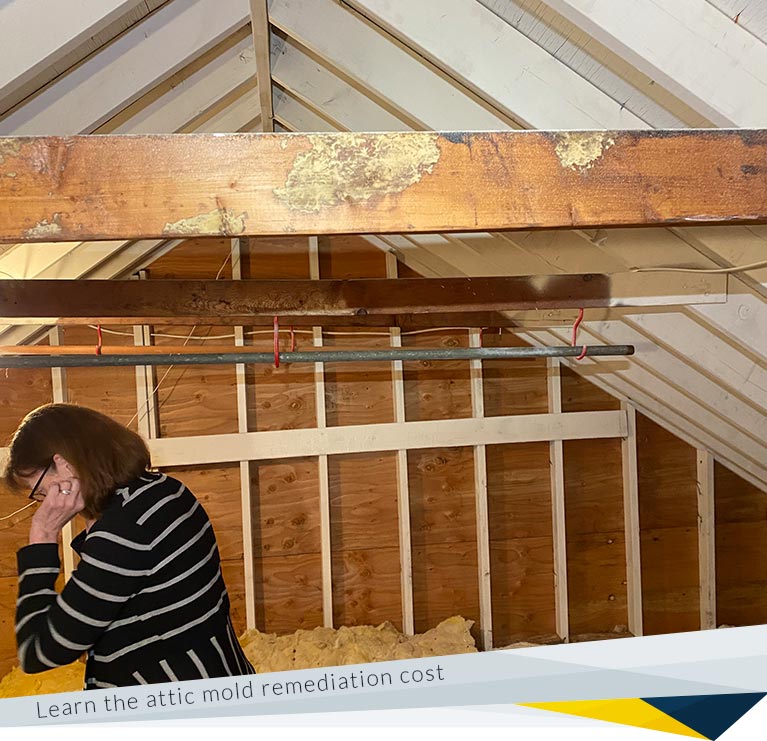
Attic mold can be a hidden menace in homes, lurking in dark corners and quietly undermining both structural integrity and air quality. Beyond the unsightly appearance and unpleasant odors, mold poses potential health risks, especially to those with respiratory issues or weakened immune systems. Understanding the costs associated with attic mold remediation not only equips homeowners with the knowledge needed for informed decisions but also promises a shift in perspective about the value of preventive measures. Let’s delve into the intricate layers of attic mold remediation costs by examining various facets such as assessment, removal, repairs, and prevention strategies.
The Initial Assessment: Uncovering the Hidden Dangers
The journey toward effective remediation begins with a thorough assessment. Depending on the region, hiring a professional to inspect the attic usually ranges from $100 to $400. This initial expense is not merely an inconvenience; it is an investment in safety and peace of mind. Inspectors will look for visible mold, moisture accumulation, and potential sources of leaks. Assessments could also include air quality testing, particularly if health concerns are paramount. Air sampling, while adding to the cost, may offer insights into the types of mold present, thus guiding a tailored remediation approach.
The Cost of Mold Removal: A Complex Undertaking
Once the assessment is complete, the focus shifts to remediation, which can vary significantly based on the extent of the infestation. Mold removal costs typically hover between $500 and $6,000, yet the degree of severity plays a pivotal role. For minor cases, homeowners may find that excavating small patches of mold can be accomplished for under $1,000. Conversely, significant infestations involving structural elements could escalate costs considerably due to the required expertise and materials.
The labor involved in mold removal requires specialized knowledge and training. Typically, remediation teams utilize protective gear, such as respirators and full-body suites, to ensure safety during removal processes. Furthermore, they rely upon antifungal agents and containment procedures to prevent the spread of spores, all of which can add to the overall expense.
Repairs: Addressing the Root Causes
Remediating mold is not a standalone endeavor. It is imperative to address any underlying issues that may have facilitated its growth in the first place. Repairs often encompass replacing water-damaged roofs, fixing leaks, or improving attic ventilation. These repairs may range from a couple of hundred to several thousand dollars, contingent on the scope of the damage. For instance, repairing a leaking roof may cost anywhere from $300 to over $3,000, depending on the materials and labor involved.
Additionally, enhancing attic ventilation systems to prevent future mold growth is a prudent step. Installing vents, fans, or insulation systems invokes further cost considerations, varying roughly between $150 to $1,000 based on the complexity and existing infrastructure.
Prevention: A Worthwhile Investment
Embracing a proactive stance against mold can save homeowners significant expenses over time. The cost of preventive measures, such as dehumidifiers, may appear minor—typically ranging from $200 to $800—but their long-term benefits can be exponential. Maintaining humidity levels below 60% significantly minimizes the risk of mold resurgence.
Additionally, investing in regular inspections can facilitate early detection of moisture problems. Homeowners may contemplate annual inspections or, at the very least, biannual checks following significant weather events, further securing the integrity of their properties while minimizing future mold-related expenditures.
Insurance Considerations: Understanding Coverage
While the financial burden of remediation can seem daunting, it is worth examining insurance coverage. Many homeowners’ insurance policies cover mold removal, particularly if the mold resulted from unforeseen incidents like pipe bursts or roof leaks. However, policies often feature stipulations regarding the extent of coverage. Homeowners are advised to review their policy limits, deductibles, and any exclusions that may apply to mold claims. Consulting with an insurance specialist can shed light on how to effectively navigate potential costs and coverage.
Conclusion: A New Perspective on Mold Management
Ultimately, the cost of attic mold remediation is multifaceted and should be approached as a continuum rather than a singular event. While initial costs can be substantial, the investment in mold assessment, removal, repairs, and prevention strategies paves the way for a healthier living environment. Understanding these costs not only cultivates responsible homeownership but also reinforces the ethos that prevention is far more economical than remediation. By adopting a comprehensive perspective on mold management, homeowners can protect their properties and ensure lasting peace of mind, securing their families’ health and their home’s value.











Leave a Comment