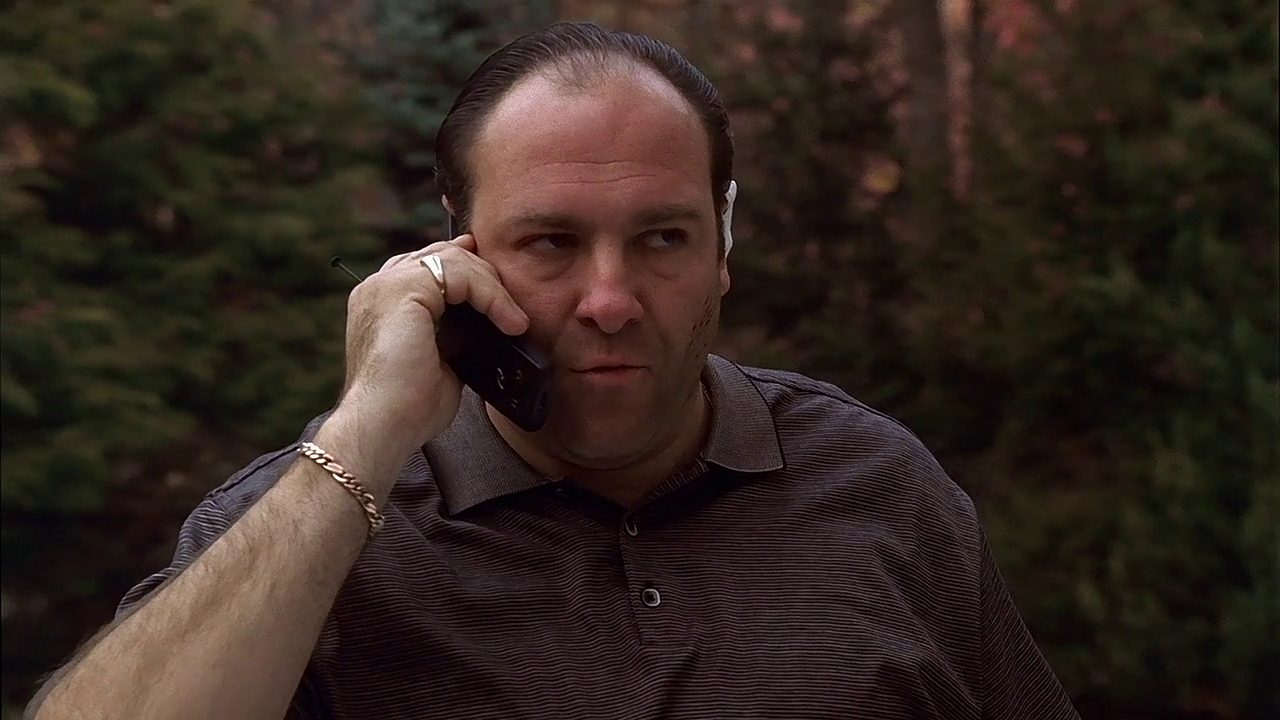
In the pantheon of television dramas, few characters have sparked as much intrigue and debate as Tony Soprano from HBO’s acclaimed series, “The Sopranos.” The culmination of the series in the episode titled “Isabella” offers a particularly tantalizing moment for analysis, as fans and critics alike ponder the implications of Tony’s psychological state, his relationships, and the very essence of mortality. The question of whether Tony Soprano could realistically have met his demise in this episode encompasses themes of existentialism, character analysis, and cinematic artistry. By dissecting these elements, we can glean insights not only into his character but also into the broader narrative techniques employed by the creators.
The Context of “Isabella”
“Isabella” serves as the sixth episode of the sixth season, a pivot point brimming with emotional depth and symbolic resonance. Following a confrontation with his mother, Tony is fraught with anxiety and seeks solace in the tranquility of a dreamlike state that the character “Isabella” embodies. Near the episode’s conclusion, he experiences a hallucinatory encounter with her—this ethereal figure becomes a precipice of the inner turmoil he faces. Within the context of this episode, Tony’s psychological fragility is evident, and the interplay between his fantasies and stark reality lays the groundwork for contemplating his potential death.
The Symbolism of the Hallucination
Isabella can be interpreted as an avatar of Tony’s subconscious struggles. She embodies both the nostalgic ideals of a simpler, carefree existence and the harrowing consequences of his criminal lifestyle. This juxtaposition raises the question: could his desire for escapist fantasies signal a desire to evade the inevitable fate associated with his lifestyle? The hallucination offers a momentary reprieve, yet it starkly contrasts with the dangers lurking in his real life. As members of the audience, we must consider whether this moment foreshadows his death or illuminates an internal conflict that, paradoxically, ensures his survival.
The Manifestation of Anxiety
The depiction of anxiety in Tony’s character throughout “Isabella” provides profound psychological insight. The recurring motif of impending doom—juxtaposed with the fleeting moments of peace offered by the hallucination—evokes the chronic tension that defines his existence. Tony embodies the existential crisis, grappling with the duality of his identity as both a mob boss and a family man. This dichotomy creates a narrative tension that permeates the series, particularly in “Isabella.” One cannot help but wonder whether, in a moment of heightened vulnerability, he might indeed succumb to his fate, considering the weight of his choices.
The Nature of Fatalism in Tony’s World
Fatalism is woven intricately into the tapestry of “The Sopranos.” The mob lifestyle inherently adopts a Darwinian outlook where survival is not guaranteed and threats are omnipresent. Tony’s character arc demonstrates a gradual unraveling, exacerbated by his internal conflict and external pressures. In “Isabella,” there are key indicators of this fatalistic worldview. Will he die due to the vengeful machinations of rival factions or as a consequence of his spiraling mental state? Examining this fatalistic backdrop accentuates the possibility of Tony’s demise as not only plausible but perhaps inevitable. This nuance gives weight to the contemplation of his death in the episode.
The Interplay of Relationships
Another salient factor in the analysis of Tony’s potential death resides in his intricate web of relationships, particularly with figures such as Carmela, Dr. Melfi, and his mother, Livia. Each of these relationships contributes dramatically to his identity and emotional landscape. In “Isabella,” Tony’s profound sense of isolation heightens the psychological stakes. The distance and disconnect with Carmela and the toxic influence of his mother pertain to a spiraling course of despair. Were one to consider the various points of interpersonal conflict, it becomes increasingly tenable to suggest that betrayal or loss from these relationships could catalyze his demise. This framework imbues his character with additional layers of vulnerability.
The Role of Foreshadowing
In storytelling, foreshadowing serves as a delicate thread leading the audience toward inevitable conclusions. Various aspects of “Isabella” contain clues hinting at potential outcomes for Tony. The combination of vivid imagery, dream-like sequences, and surreal conversations evoke a sense of foreboding, amplifying speculation about his fate. The aesthetics of the episode craft a narrative suspense that suggests the probability of fatal consequences. An audience member’s deep-seated desire to see Tony live might clash with the narrative’s looming shadows, leading to contemplations about fate versus free will.
Conclusion: The Complexity of Tony’s Fate
Ultimately, the question of whether Tony Soprano would have realistically died in “Isabella” demands a nuanced exploration of character, thematic elements, and narrative structure. The episode’s exploration of Tony’s psyche lays bare the complex motivations and fears that underpin his existence. While the factors contributing to his potential demise are significant, they exist entwined with a rich tapestry of symbolism and existential contemplation that elevates the narrative beyond mere speculation. Tony’s fate stands as a testament to the enduring complexity of the human experience—a ceaseless dance between the desire for transcendence and the inevitability of mortality. Thus, as viewers, we are left to ponder this eternal oscillation, encapsulating why the character of Tony Soprano will remain a seminal figure in television history.











Leave a Comment